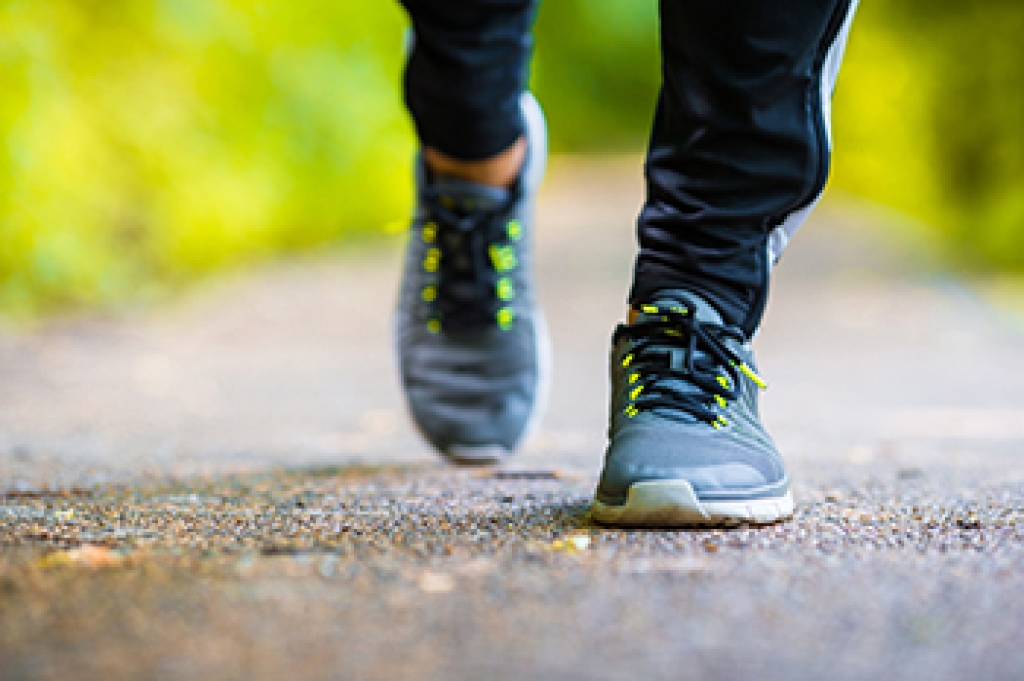
Causes and Treatment for Foot Drop

Foot drop, a condition that affects one foot and impedes the ability to walk normally, can stem from various causes. Most commonly, foot drop results from peroneal nerve injury, often linked to sports injuries or surgical incidents, like hip or knee replacements. Spinal problems, such as slipped discs, may also compress the peroneal nerve, as can prolonged leg crossing, kneeling, or squatting. Peripheral neuropathy from diabetes can damage nerves and weaken muscles, potentially leading to foot drop. Extended immobility, such as hospital stays, can cause muscle weakness, including those governing foot movement. The main symptom of foot drop is a marching gait that requires a higher lifting of the knee with each step to allow the toe to clear the ground. Addressing foot drop can involve customized exercise regimens to strengthen and stretch leg and foot muscles. Devices, including braces, splints, or shoe inserts may help to promote foot stability and reduce fall risks. Electrical nerve stimulation aids nerve activation, which may be beneficial for stroke or multiple sclerosis patients. Surgery may be considered in cases of permanent foot drop, involving joint fusion for stability or nerve repair and grafting to restore function. For a clear idea of how to manage foot drop, it is suggested that you make an appointment with a podiatrist. 

If you have any concerns about your feet, contact Emmanuel Bustos, DPM from New York. Our doctor can provide the care you need to keep you pain-free and on your feet.

Biomechanics in Podiatry

Podiatric biomechanics is a particular sector of specialty podiatry with licensed practitioners who are trained to diagnose and treat conditions affecting the foot, ankle and lower leg. Biomechanics deals with the forces that act against the body, causing an interference with the biological structures. It focuses on the movement of the ankle, the foot and the forces that interact with them.

A History of Biomechanics

  • Biomechanics dates back to the BC era in Egypt where evidence of professional foot care has been recorded.
  • In 1974, biomechanics gained a higher profile from the studies of Merton Root, who claimed that by changing or controlling the forces between the ankle and the foot, corrections or conditions could be implemented to gain strength and coordination in the area.

Modern technological improvements are based on past theories and therapeutic processes that provide a better understanding of podiatric concepts for biomechanics. Computers can provide accurate information about the forces and patterns of the feet and lower legs.

Understanding biomechanics of the feet can help improve and eliminate pain, stopping further stress to the foot.

If you have any questions please feel free to contact our office located in the Upper West Side and New York City, NY . We offer the newest diagnostic and treatment technologies for all your foot and ankle needs.
Read more about The Importance of Biomechanics in Podiatry

A Painful Arthritic Condition Called Gout

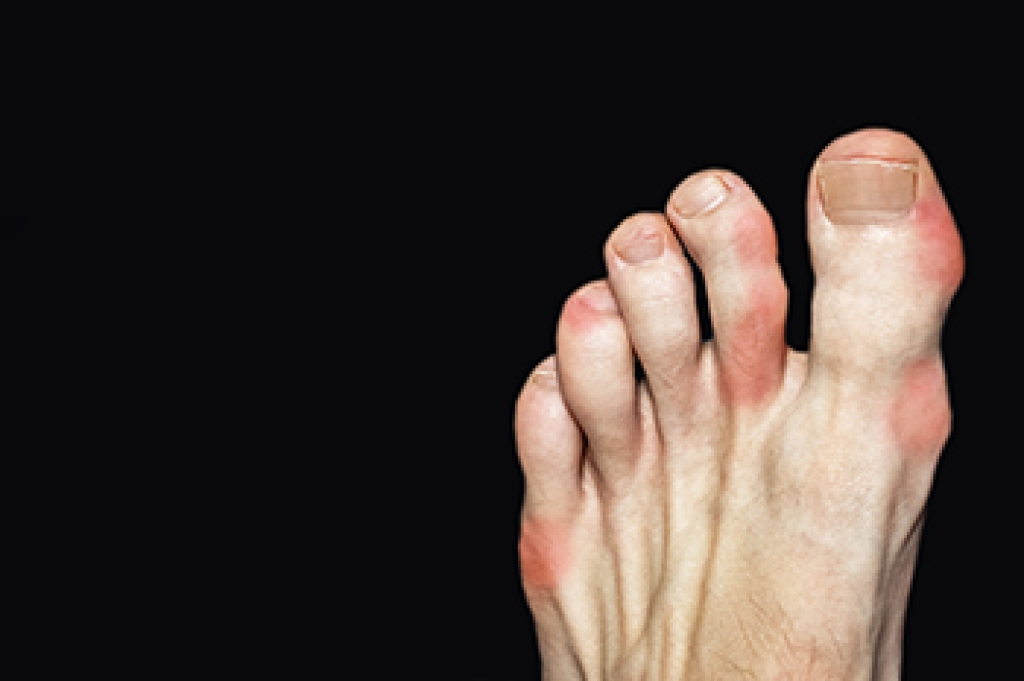
Gout, often called the disease of kings, is a form of inflammatory arthritis that has plagued humanity for centuries. It is commonly caused by excess uric acid crystals in joints, primarily targeting the big toe. Uric acid is a natural byproduct of purine metabolism, but when levels become excessively high, crystals form and lead to intense pain, inflammation, and swelling in the affected joint. Gout attacks, also known as flares, can be sudden and excruciating. Various factors contribute to gout, including genetics, dietary choices, obesity, and other medical conditions. Lifestyle modifications, dietary changes, and medications are commonly employed to manage and prevent gout. Gout attacks can interrupt daily activities. If you have this painful condition, it is strongly suggested that you are under the care of a podiatrist who can help you to manage this ailment successfully.

Gout is a foot condition that requires certain treatment and care. If you are seeking treatment, contact Emmanuel Bustos, DPM from New York. Our doctor will treat your foot and ankle needs.

What Is Gout?

Gout is a type of arthritis caused by a buildup of uric acid in the bloodstream. It often develops in the foot, especially the big toe area, although it can manifest in other parts of the body as well. Gout can make walking and standing very painful and is especially common in diabetics and the obese.

People typically get gout because of a poor diet. Genetic predisposition is also a factor. The children of parents who have had gout frequently have a chance of developing it themselves.

Gout can easily be identified by redness and inflammation of the big toe and the surrounding areas of the foot. Other symptoms include extreme fatigue, joint pain, and running high fevers. Sometimes corticosteroid drugs can be prescribed to treat gout, but the best way to combat this disease is to get more exercise and eat a better diet.

If you have any questions, please feel free to contact our office located in the Upper West Side and New York City, NY . We offer the newest diagnostic and treatment technologies for all your foot care needs.

Read more about Everything You Need to Know About Gout

Foot Stretches to Relieve Arch Pain

Managing arch pain can be a hindrance to your daily activities, but specific types of exercises can help to alleviate this discomfort and strengthen the arches of your feet. One effective exercise is the arch stretch. This can help foot conditions such as plantar fasciitis Simply sit on the floor and place a tennis ball under the arch of your foot. Roll the ball gently, allowing it to massage the arch area. Another helpful foot stretch is toe tapping. While seated, lift your foot off the ground and tap your toes on the floor, starting slowly and gradually increasing the speed. Towel curls are excellent for strengthening the muscles of the arch. These are done by sitting on a chair with your foot on a towel placed on the floor, and scrunching the towel using your toes. Regularly performing these exercises can relieve arch pain and contribute to stronger, more resilient feet. If you would like additional foot stretches to perform for relieving arch pain, it is suggested that you consult a podiatrist.

Stretching the feet is a great way to prevent injuries. If you have any concerns with your feet consult with Emmanuel Bustos, DPM from New York. Our doctor will assess your condition and provide you with quality foot and ankle treatment.

Stretching the Feet

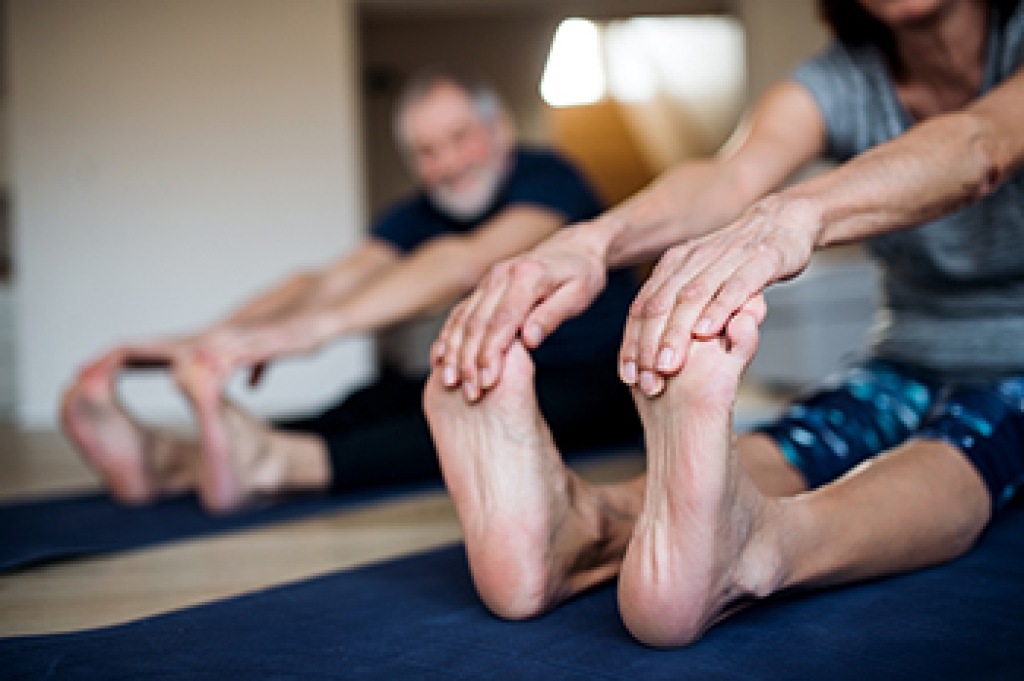
Being the backbone of the body, the feet carry your entire weight and can easily become overexerted, causing cramps and pain. As with any body part, stretching your feet can serve many benefits. From increasing flexibility to even providing some pain relief, be sure to give your feet a stretch from time to time. This is especially important for athletes or anyone performing aerobic exercises, but anyone experiencing foot pain or is on their feet constantly should also engage in this practice.

Great ways to stretch your feet:

  • Crossing one leg over the others and carefully pull your toes back. Do 10-20 repetitions and repeat the process for each foot
  • Face a wall with your arms out and hands flat against the wall. Step back with one foot and keep it flat on the floor while moving the other leg forward. Lean towards the wall until you feel a stretch. Hold for 30 seconds and perform 10 repetitions for each foot
  • Be sure not to overextend or push your limbs too hard or you could risk pulling or straining your muscle

Individuals who tend to their feet by regular stretching every day should be able to minimize foot pain and prevent new problems from arising.

If you have any questions please contact our office located in the Upper West Side and New York City, NY . We offer the newest diagnostic and treatment technologies for all your foot and ankle needs.

Read more about Stretching Your Feet

Finding the Perfect Hiking Boots

Selecting the right hiking boots is a big decision for any outdoor enthusiast. These boots can make or break your hiking experience, impacting your comfort, support, and overall safety on the trail. This can begin by considering the terrain you plan to hike. Different types of hikes, whether on rocky trails, muddy paths, or steep ascents, require specific features in your boots. Choose a boot with appropriate sole traction, ankle support, and water resistance that matches your hiking environment. This can be followed by focusing on fit. Ensuring your hiking boots fit snugly, but leaving enough room for your toes to wiggle comfortably. Try on boots in the late afternoon when your feet are slightly swollen to mimic conditions on the trail. It is beneficial to break in your boots before embarking on a long hike. Wear them around your home or on shorter walks to allow them to mold to your feet and prevent painful blisters. Lastly, consider your personal preferences. Some hikers prefer lightweight and flexible boots, while others prioritize durability and sturdiness. If you would like more information about what type of hiking boots to buy, it is suggested that you confer with a podiatrist who can provide you with the knowledge you are seeking.

Finding a properly-fitting shoe is important in reducing injuries and preventing foot problems. For more information about treatment, contact Emmanuel Bustos, DPM from New York. Our doctor will treat your foot and ankle needs.

Proper Shoe Fitting

A common concern when it comes to foot health, having properly fitted shoes can help prevent injuries to the foot. Out feet affect our posture and gait, which in turn affects the biomechanics and overall bodily structure. With 33 joints, 26 bones, and over 100 ligaments, the potential for serious injury is much greater than one realizes. Although the feet cease growth in adulthood, they still change shape as they mature. Here are some factors to consider when it comes to investing in proper fitting shoes:

  • Be sure the shoes fit correctly right away
  • Ensure the ball of your foot fits comfortably in the widest portion of the shoes
  • Even though they may look fashionable, improper fitting shoes can either create adverse conditions or exacerbate existing ones you may already have
  • Walk along a carpeted surface to ensure the shoes comfortably fit during normal activity

Keeping in mind how shoes fit the biomechanics of your body, properly-fitting shoes are vitally important. Fortunately, it is not difficult to acquire footwear that fits correctly. Be sure to wear shoes that support the overall structure of your body. Do your feet a favor and invest in several pairs of well-fitted shoes today.

If you have any questions, please feel free to contact our office located in the Upper West Side and New York City, NY . We offer the newest diagnostic and treatment technologies for all your foot care needs.

Read more about Proper Shoe Fitting

Get Professional Care for a Broken Foot or Ankle

Constant care and regular evaluation are important for a foot or ankle fracture. If left untreated, foot or ankle fractures can worsen over time and create more serious problems.

Don't wait to be examined if you believe you've experienced a foot or ankle fracture.

Connect With Us