
You don't need an excuse to have beautiful nails. Step outside without worrying about the appearance of your feet.
You don't need an excuse to have beautiful nails. Step outside without worrying about the appearance of your feet.

Toenail fungus develops when fungi enter through tiny openings in the skin or nail. Warm, damp environments allow these organisms to grow and spread. Wearing sweaty shoes for long periods increases exposure, especially when feet remain moist throughout the day. Walking barefoot in shared showers, locker rooms, or pool areas also increases the risk. Other risk factors include older age, previous nail injuries, and a weakened immune system. Athlete’s foot may also spread to the toenails. Keeping feet clean and dry helps to reduce exposure and protect healthy nails.
Early treatment helps prevent toenail fungus from becoming more established. A podiatrist may carefully examine the affected nail and take a small clipping or scraping for testing. Testing helps confirm that fungus is responsible because other nail conditions can cause similar changes. Treatment depends on the type and severity of the infection. Options include prescription topical medication, oral antifungal medication, or removal of damaged nail material. A podiatrist will explain which approach is most appropriate based on the nail’s condition and your individual needs. Starting treatment early may help prevent further nail damage.
Toenail fungus takes time to clear because toenails grow slowly. Following the recommended treatment consistently is important, even when the nail begins to look healthier. A podiatrist may recommend keeping shoes dry, changing socks regularly, and avoiding shared nail tools. These simple habits help to reduce moisture and limit the chance of reinfection. It is also important to watch for changes in other toenails, because fungal infections can spread. With proper diagnosis and treatment, damaged nails gradually grow out and improve. If you have symptoms of toenail fungus, it is suggested that you consult a podiatrist who can effectively treat this condition, which may include appropriately prescribed medication.
For more information about treatment, contact Emmanuel Bustos, DPM of New York City. Our doctor can provide the care you need to keep you pain-free and on your feet.
Toenail Fungus Treatment
Toenail fungus is a condition that affects many people and can be especially hard to get rid of. Fortunately, there are several methods to go about treating and avoiding it.
Antifungals & Deterrence
Oral antifungal medicine has been shown to be effective in many cases. It is important to consult with a podiatrist to determine the proper regiment for you, or potentially explore other options.
Applying foot powder on the feet and shoes helps keep the feet free of moisture and sweat.
Sandals or open toed shoes – Wearing these will allow air movement and help keep feet dry. They also expose your feet to light, which fungus cannot tolerate. Socks with moisture wicking material also help as well.
If you have any questions please contact our office located in the Upper West Side and New York City, NY . We offer the newest diagnostic and treatment technologies for all your foot and ankle needs.
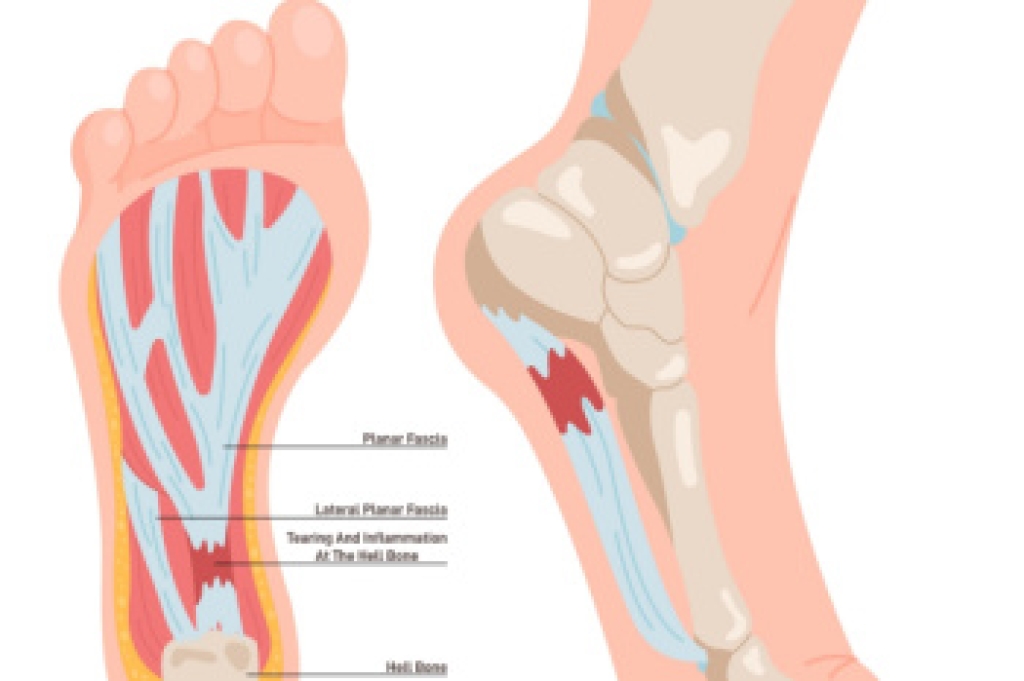
Plantar fasciitis causes pain along the bottom of the heel. It occurs when the plantar fascia, a strong band of tissue connecting the heel bone to the toes, becomes irritated or strained. This tissue supports the arch and helps absorb pressure with every step. Repeated stress can cause small tissue injuries and discomfort. Plantar fasciitis may affect people of many ages, especially those who spend much of the day standing, walking, or participating in activities that place repeated pressure on the feet. Recognizing the condition early can help prevent heel pain from becoming a persistent problem.
One of the most recognizable symptoms of plantar fasciitis is sharp heel pain with the first steps in the morning. The discomfort may improve after moving around but can return after sitting or resting for a long time. Pain may also develop after exercise, prolonged walking, or extended periods of standing. Tenderness commonly occurs near the bottom or inner portion of the heel. As symptoms continue, everyday activities may become more difficult, including walking, working, and completing household tasks.
Several risk factors can contribute to plantar fasciitis. Frequent running, walking, and prolonged standing can place additional stress on the plantar fascia. Flat feet, high arches, and certain walking patterns may also affect how pressure is distributed across the foot. Wearing shoes without adequate support can increase strain, particularly when standing or walking for long periods of time. Carrying excess body weight may place additional pressure on the feet and contribute to irritation.
A podiatrist can examine the foot, review symptoms, and assess foot structure and walking mechanics to determine the likely cause of heel pain. Treatment may include wearing supportive footwear, custom orthotics, and stretching exercises. If you have consistent heel pain or symptoms of plantar fasciitis, it is suggested that you consult a podiatrist for effective relief and treatment solutions.
Plantar fasciitis is a common foot condition that is often caused by a strain injury. If you are experiencing heel pain or symptoms of plantar fasciitis, contact Emmanuel Bustos, DPM from New York City. Our doctor can provide the care you need to keep you pain-free and on your feet.
What Is Plantar Fasciitis?
Plantar fasciitis is one of the most common causes of heel pain. The plantar fascia is a ligament that connects your heel to the front of your foot. When this ligament becomes inflamed, plantar fasciitis is the result. If you have plantar fasciitis you will have a stabbing pain that usually occurs with your first steps in the morning. As the day progresses and you walk around more, this pain will start to disappear, but it will return after long periods of standing or sitting.
What Causes Plantar Fasciitis?
There are some risk factors that may make you more likely to develop plantar fasciitis compared to others. The condition most commonly affects adults between the ages of 40 and 60. It also tends to affect people who are obese because the extra pounds result in extra stress being placed on the plantar fascia.
Prevention
There are a variety of treatment options available for plantar fasciitis along with the pain that accompanies it. Additionally, physical therapy is a very important component in the treatment process. It is important that you meet with your podiatrist to determine which treatment option is best for you.
If you have any questions, please feel free to contact our office located in the Upper West Side and New York City, NY . We offer the newest diagnostic and treatment technologies for all your foot care needs.

Morton’s neuroma is a painful nerve problem that commonly develops near the base of the third and fourth toes. The nerve becomes enlarged and inflamed, which can lead to burning pain, tingling, or numbness in the ball of the foot. Some people describe the sensation as feeling like something is stuck beneath the forefoot. Female runners may face an increased risk because running places repeated stress on the front of the foot. Women who regularly wear narrow, pointed-toe shoes or high heels may experience additional pressure that crowds the toes and irritates the nerve.
Active women with flat feet may be particularly prone to developing a neuroma. Symptoms often begin gradually but can become more intense as the nerve continues to enlarge. Running on hard surfaces can repeatedly stress the forefoot, while certain footwear can increase compression around the toes. Morton’s neuroma is not visible on an X-ray, so diagnosis depends largely on symptoms and a physical examination. A podiatrist may press along the affected area or perform a movement that produces a noticeable click. Identifying the problem early is important because continued nerve irritation can eventually cause lasting damage.
A podiatrist can evaluate forefoot pain and determine whether Morton’s neuroma may be causing a runner’s symptoms. Treatment depends on how far the condition has progressed. Professional options include custom orthotics or other supportive devices designed to reduce pressure on the irritated nerve. More advanced cases may require surgery to release or remove the affected nerve. A podiatrist can also evaluate foot structure and determine whether other factors, such as flat feet, are contributing to repeated compression. Persistent burning, tingling, or numbness should not be ignored when it begins interfering with running or daily movement. If you are experiencing ongoing pain in the ball of the foot that may indicate Morton’s neuroma, it is suggested that you consult a podiatrist for an evaluation and appropriate treatment options.
Morton’s neuroma is a very uncomfortable condition to live with. If you think you have Morton’s neuroma, contact Emmanuel Bustos, DPM of New York City. Our doctor will attend to all of your foot care needs and answer any of your related questions.
Morton’s Neuroma
Morton's neuroma is a painful foot condition that commonly affects the areas between the second and third or third and fourth toe, although other areas of the foot are also susceptible. Morton’s neuroma is caused by an inflamed nerve in the foot that is being squeezed and aggravated by surrounding bones.
What Increases the Chances of Having Morton’s Neuroma?
Morton’s neuroma is a very treatable condition. Orthotics and shoe inserts can often be used to alleviate the pain on the forefront of the feet. In more severe cases, corticosteroids can also be prescribed. In order to figure out the best treatment for your neuroma, it’s recommended to seek the care of a podiatrist who can diagnose your condition and provide different treatment options.
If you have any questions, please feel free to contact our office located in the Upper West Side and New York City, NY . We offer the newest diagnostic and treatment technologies for all your foot care needs.
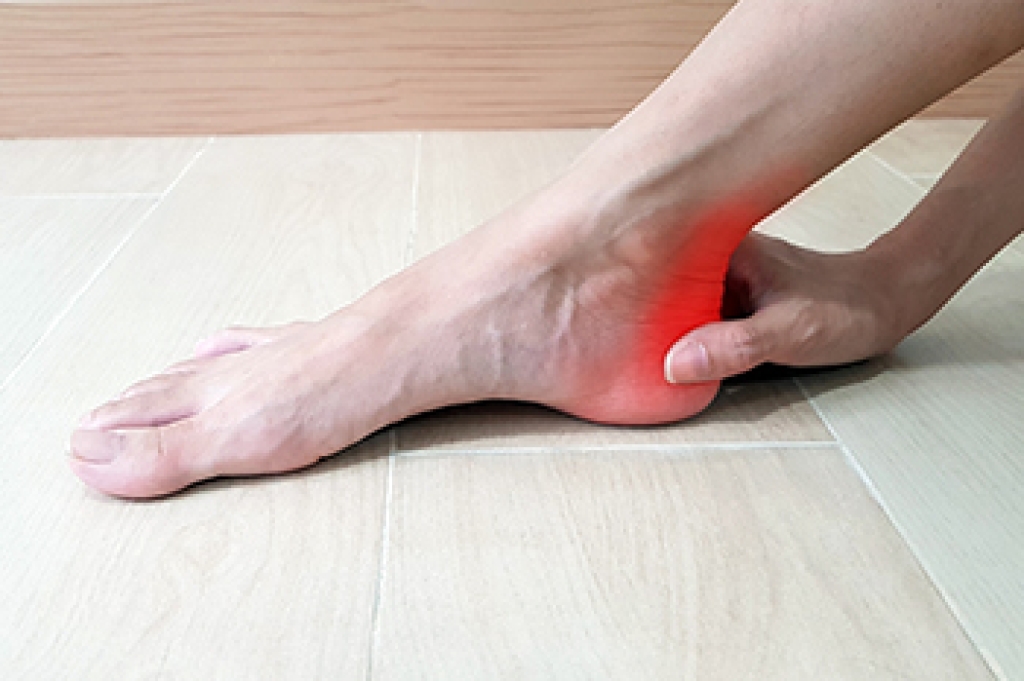
The Achilles tendon is a strong band of tissue that connects the calf muscles to the heel bone. It helps the foot point downward and plays an important role in walking, running, and jumping. Achilles tendon injuries range from irritation and small tissue damage to a complete tear, called a rupture. A rupture can happen when the tendon is suddenly placed under intense stress. Symptoms include pain, swelling, and difficulty walking. Some patients feel or hear a pop when the tendon tears. A complete rupture can make it difficult to push off the injured foot or stand on the toes of that leg.
Achilles tendon injuries can occur during activities that involve sudden starts, stops, or changes in direction. Running and jumping can also place significant force on the tendon. A rupture sometimes occurs in people who participate in sports only occasionally. Age can affect the tendon, and certain medications can increase the risk of injury. A podiatrist can ask how the injury happened and examine the foot, ankle, and lower leg. The examination can include checking tenderness, swelling, and ankle movement. The podiatrist can also test how well the Achilles tendon is working. Imaging tests can help determine the location and extent of an injury when more information is required.
Treatment depends on the type and severity of the Achilles tendon injury. A podiatrist can provide or coordinate care designed to protect the tendon and restore function. Treatment can include immobilization, and other forms of medical care. A complete rupture can sometimes require surgery, depending on the patient's health and activity level. A podiatrist can also monitor healing and determine when it is appropriate to increase activity. Rehabilitation can focus on restoring strength, flexibility, and normal movement. Proper evaluation is important because continuing activity with an injured Achilles tendon can interfere with recovery. The goal of treatment is to support healing and help the patient return safely to normal activities. If you have symptoms of an Achilles tendon injury, it is suggested that you schedule an appointment with a podiatrist for effective relief and treatment solutions.
Achilles tendon injuries need immediate attention to avoid future complications. If you have any concerns, contact Emmanuel Bustos, DPM of New York City. Our doctor can provide the care you need to keep you pain-free and on your feet.
What Is the Achilles Tendon?
The Achilles tendon is a tendon that connects the lower leg muscles and calf to the heel of the foot. It is the strongest tendon in the human body and is essential for making movement possible. Because this tendon is such an integral part of the body, any injuries to it can create immense difficulties and should immediately be presented to a doctor.
What Are the Symptoms of an Achilles Tendon Injury?
There are various types of injuries that can affect the Achilles tendon. The two most common injuries are Achilles tendinitis and ruptures of the tendon.
Achilles Tendinitis Symptoms
Rupture Symptoms
Treatment and Prevention
Achilles tendon injuries are diagnosed by a thorough physical evaluation, which can include an MRI. Treatment involves rest, physical therapy, and in some cases, surgery. However, various preventative measures can be taken to avoid these injuries, such as:
If you have any questions please feel free to contact our office located in the Upper West Side and New York City, NY . We offer the newest diagnostic tools and technology to treat your foot and ankle needs.
Connect With Us
