Turf Toe and Protecting Your Big Toe Joint

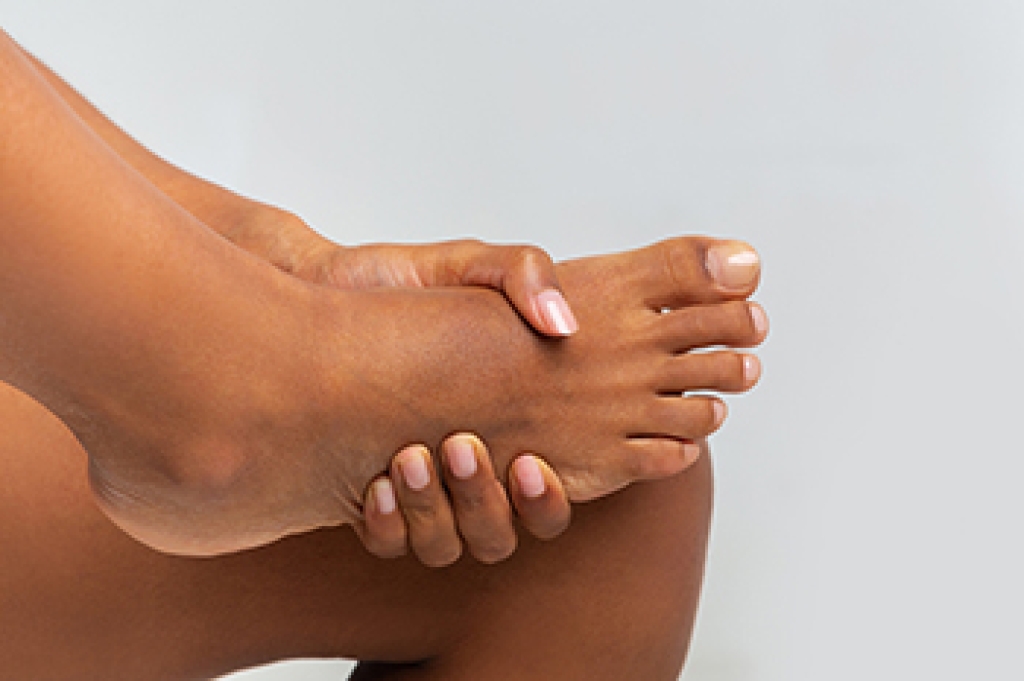
Turf toe is a painful injury involving the big toe joint, caused by hyperextension that can lead to soft tissue tearing. It often occurs when the shoe grips the playing surface while body weight shifts forward, such as when a soccer player attempts a quick stop or push-off. It is also prevalent in ballet dancers and football players, as the big toe may experience hyperextension. Symptoms include swelling, tenderness, and joint instability that can affect performance. Risk factors include stiff playing surfaces, improper footwear, and repetitive high-impact movement. A podiatrist can evaluate the injury, provide targeted treatment, and guide recovery. If you have symptoms of turf toe, it is suggested that you consult a podiatrist who can offer effective relief, treatment and prevention solutions.

Sports related foot and ankle injuries require proper treatment before players can go back to their regular routines. For more information, contact Emmanuel Bustos, DPM of New York. Our doctor can provide the care you need to keep you pain-free and on your feet.

Sports Related Foot and Ankle Injuries

Foot and ankle injuries are a common occurrence when it comes to athletes of any sport. While many athletes dismiss the initial aches and pains, the truth is that ignoring potential foot and ankle injuries can lead to serious problems. As athletes continue to place pressure and strain the area further, a mild injury can turn into something as serious as a rupture and may lead to a permanent disability. There are many factors that contribute to sports related foot and ankle injuries, which include failure to warm up properly, not providing support or wearing bad footwear. Common injuries and conditions athletes face, including:

  • Plantar Fasciitis
  • Achilles Tendinitis
  • Achilles Tendon Rupture
  • Ankle Sprains

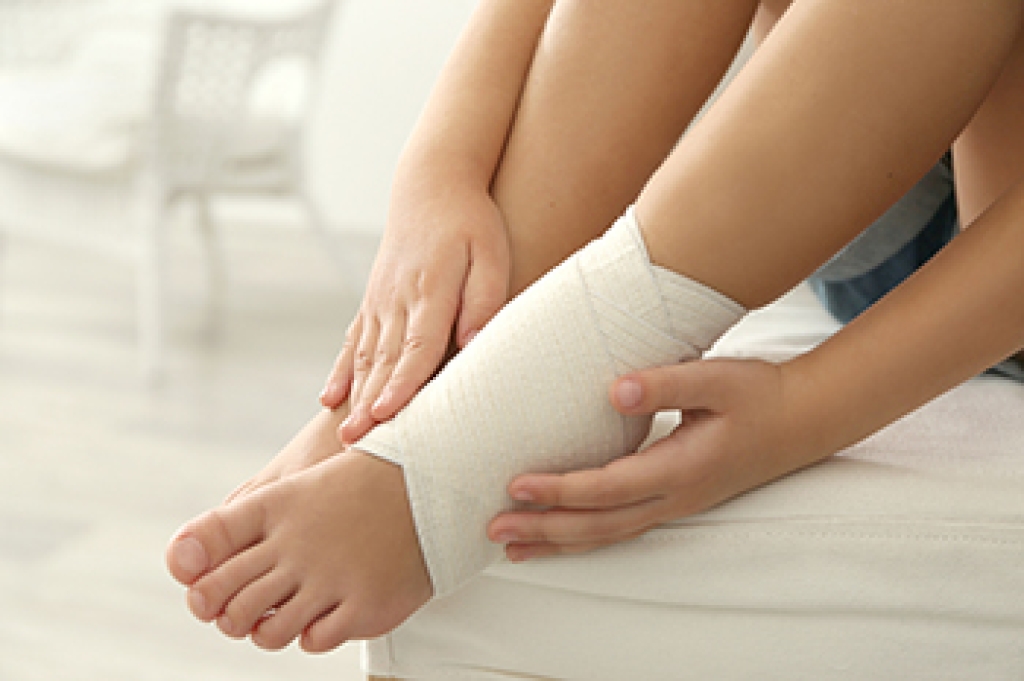
Sports related injuries are commonly treated using the RICE method. This includes rest, applying ice to the injured area, compression and elevating the ankle. More serious sprains and injuries may require surgery, which could include arthroscopic and reconstructive surgery. Rehabilitation and therapy may also be required in order to get any recovering athlete to become fully functional again. Any unusual aches and pains an athlete sustains must be evaluated by a licensed, reputable medical professional.

If you have any questions please contact our office located in the Upper West Side and New York City, NY . We offer the newest diagnostic and treatment technologies for all your foot and ankle needs.
Read more about Sports Related Foot And Ankle Injuries

When a Nerve Thickens Between the Toes

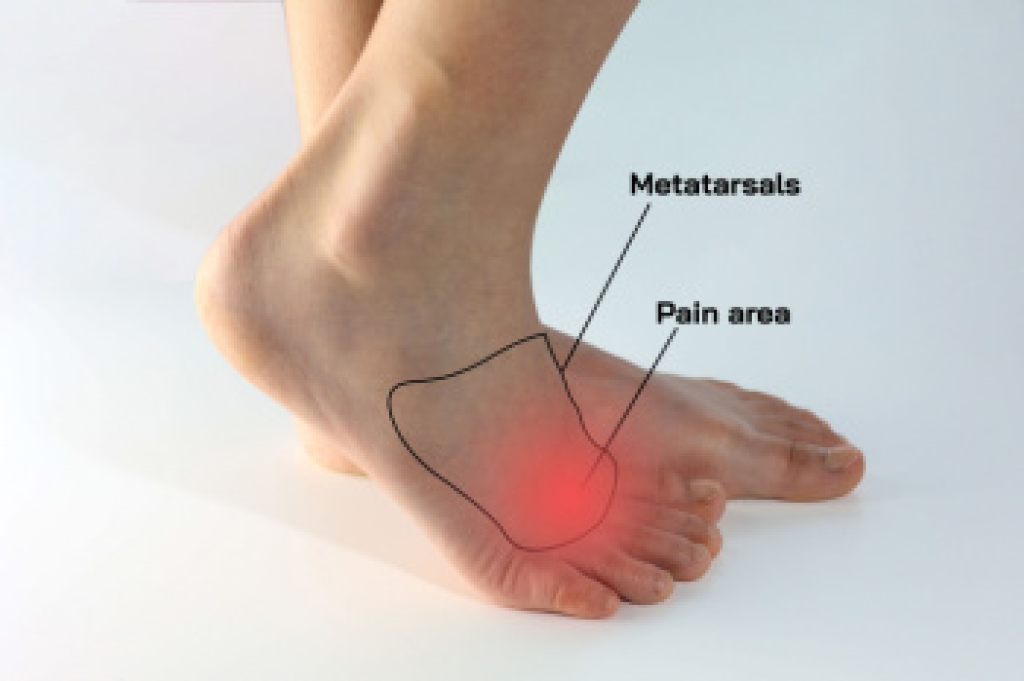
Morton’s neuroma is a painful condition caused by irritation and thickening of a nerve that runs between the toes, most often between the third and fourth toes. The problem develops when repeated pressure or stress compresses the nerve as it passes between the metatarsal bones. Patients commonly describe a burning or sharp pain in the ball of the foot that may radiate into the toes. Some people feel tingling, numbness, or the sensation of stepping on a small pebble inside the shoe. Symptoms may worsen when wearing tight shoes or high heels and often improve when the shoe is removed. Over time the discomfort can become more frequent during walking or standing. A podiatrist can diagnose Morton’s neuroma through a physical examination and by evaluating where the pain occurs when pressure is applied. Treatment may include shoe modifications, metatarsal padding, custom orthotics, and targeted exercises to reduce pressure on the nerve. If you think you may have Morton’s neuroma, it is suggested that you make an appointment with a podiatrist.

Morton’s neuroma is a very uncomfortable condition to live with. If you think you have Morton’s neuroma, contact Emmanuel Bustos, DPM of New York. Our doctor will attend to all of your foot care needs and answer any of your related questions.  

Morton’s Neuroma

Morton's neuroma is a painful foot condition that commonly affects the areas between the second and third or third and fourth toe, although other areas of the foot are also susceptible. Morton’s neuroma is caused by an inflamed nerve in the foot that is being squeezed and aggravated by surrounding bones.

What Increases the Chances of Having Morton’s Neuroma?

  • Ill-fitting high heels or shoes that add pressure to the toe or foot
  • Jogging, running or any sport that involves constant impact to the foot
  • Flat feet, bunions, and any other foot deformities

Morton’s neuroma is a very treatable condition. Orthotics and shoe inserts can often be used to alleviate the pain on the forefront of the feet. In more severe cases, corticosteroids can also be prescribed. In order to figure out the best treatment for your neuroma, it’s recommended to seek the care of a podiatrist who can diagnose your condition and provide different treatment options.

If you have any questions, please feel free to contact our office located in the Upper West Side and New York City, NY . We offer the newest diagnostic and treatment technologies for all your foot care needs.

Read more about Morton's Neuroma

Causes and Symptoms of Achilles Tendon Injuries

The Achilles tendon is the thick band of tissue that connects the calf muscles to the heel bone and helps you walk, run, and jump. Although it is the strongest tendon in the body, it is often injured during sports that involve sprinting, jumping, or sudden changes in direction. One common problem is Achilles tendinopathy, which means the tendon becomes irritated and damaged from overuse. This leads to pain, swelling, and reduced strength. In more severe cases, the tendon can tear completely, called a rupture. This may cause a sudden sharp pain in the back of the ankle and difficulty pushing off the foot. A podiatrist can perform a detailed exam, order ultrasound or MRI scans, and determine whether bracing, activity modification, or surgery is appropriate. Early diagnosis helps reduce long-term weakness and stiffness. If you have injured your Achilles tendon, it is suggested that you make an appointment with a podiatrist for an exam, diagnosis, and treatment.

Achilles tendon injuries need immediate attention to avoid future complications. If you have any concerns, contact Emmanuel Bustos, DPM of New York. Our doctor can provide the care you need to keep you pain-free and on your feet.

What Is the Achilles Tendon?

The Achilles tendon is a tendon that connects the lower leg muscles and calf to the heel of the foot. It is the strongest tendon in the human body and is essential for making movement possible. Because this tendon is such an integral part of the body, any injuries to it can create immense difficulties and should immediately be presented to a doctor.

What Are the Symptoms of an Achilles Tendon Injury?

There are various types of injuries that can affect the Achilles tendon. The two most common injuries are Achilles tendinitis and ruptures of the tendon.

Achilles Tendinitis Symptoms

  • Inflammation
  • Dull to severe pain
  • Increased blood flow to the tendon
  • Thickening of the tendon

Rupture Symptoms

  • Extreme pain and swelling in the foot
  • Total immobility

Treatment and Prevention

Achilles tendon injuries are diagnosed by a thorough physical evaluation, which can include an MRI. Treatment involves rest, physical therapy, and in some cases, surgery. However, various preventative measures can be taken to avoid these injuries, such as:

  • Thorough stretching of the tendon before and after exercise
  • Strengthening exercises like calf raises, squats, leg curls, leg extensions, leg raises, lunges, and leg presses

If you have any questions please feel free to contact our office located in the Upper West Side and New York City, NY . We offer the newest diagnostic tools and technology to treat your foot and ankle needs.

Read more about The Causes, Types, and Treatments of Achilles Tendon Injuries

Mechanical Foot Pain and How It Is Managed

Mechanical foot pain develops when the structures of the foot are placed under repeated stress or load. This type of pain often comes from how the foot moves, bears weight, or absorbs impact. Common causes include overuse, wearing poor footwear, loss of arch support, uneven pressure during walking, and muscle or tendon imbalance. Flat feet or high arches can also increase strain on certain areas, leading to soreness or sharp pain with activity. Symptoms often worsen with standing or walking, and improve with rest. Management focuses on reducing stress and improving function. Supportive shoes, custom orthotics, stretching, and activity modification can help relieve symptoms and prevent recurrence. Early attention to discomfort can stop small issues from becoming chronic problems. If foot pain continues despite basic care, it is suggested that you see a podiatrist for evaluation and personalized treatment.

Foot Pain

Foot pain can be extremely painful and debilitating. If you have a foot pain, consult with Emmanuel Bustos, DPM from New York. Our doctor will assess your condition and provide you with quality foot and ankle treatment.

Causes

Foot pain is a very broad condition that could be caused by one or more ailments. The most common include:

  • Bunions
  • Hammertoes
  • Plantar Fasciitis
  • Bone Spurs
  • Corns
  • Tarsal Tunnel Syndrome
  • Ingrown Toenails
  • Arthritis (such as Gout, Rheumatoid, and Osteoarthritis)
  • Flat Feet
  • Injury (from stress fractures, broken toe, foot, ankle, Achilles tendon ruptures, and sprains)
  • And more

Diagnosis

To figure out the cause of foot pain, podiatrists utilize several different methods. This can range from simple visual inspections and sensation tests to X-rays and MRI scans. Prior medical history, family medical history, and any recent physical traumatic events will all be taken into consideration for a proper diagnosis.

Treatment

Treatment depends upon the cause of the foot pain. Whether it is resting, staying off the foot, or having surgery; podiatrists have a number of treatment options available for foot pain.

If you have any questions, please feel free to contact our office located in the Upper West Side and New York City, NY . We offer the newest diagnostic and treatment technologies for all your foot care needs.

Read more about Foot Pain

When a Simple Misstep Leads to an Ankle Sprain

An ankle sprain occurs when the ligaments that support the ankle are stretched or torn, often after a sudden twist, roll, or awkward landing. This injury is common in athletes but can happen to anyone walking on uneven ground or wearing unstable footwear. The ankle may swell quickly and appear bruised or puffy around the joint. Pain can range from mild soreness to sharp discomfort that makes it difficult to bear weight. Symptoms include instability, weakness, or a sense that the ankle could give way. Without proper care, repeated sprains can lead to chronic weakness and long-term joint problems. A podiatrist begins with a detailed examination and may use imaging to assess the extent of ligament damage. Treatment includes bracing, compression, anti-inflammatory care, and targeted exercises to restore strength and balance. If you have an ankle sprain, it is suggested that you make an appointment with a podiatrist.

Although ankle sprains are common, they aren’t always minor injuries. If you need your ankle injury looked at, contact Emmanuel Bustos, DPM from New York. Our doctor can provide the care you need to keep you pain-free and on your feet.

How Does an Ankle Sprain Occur?

Ankle sprains are the result of a tear in the ligaments within the ankle. These injuries may happen when you make a rapid shifting movement while your foot is planted. A less common way to sprain your ankle is when your ankle rolls inward while your foot turns outward.

What Are the Symptoms?

  • Pain at the sight of the tear
  • Bruising/Swelling
  • Ankle area is tender to touch
  • In severe cases, may hear/feel something tear
  • Skin discoloration

Preventing a Sprain

  • Wearing appropriate shoes for the occasion
  • Stretching before exercises and sports
  • Knowing your limits

Treatment of a Sprain

In many cases, the RICE method (Rest, Ice, Compression, and Elevate) is used to treat ankle sprains. However, you should see a podiatrist to see which treatment option would work best with your injury. In severe cases, surgery may be required.

It is important to ask your doctor about rehab options after you receive treatment for your injury. Stretching, strength training, and balance exercises may help the ankle heal while also preventing further injury.

If you have any questions, please feel free to contact our office located in the Upper West Side and New York City, NY . We offer the newest diagnostic and treatment technologies for all your foot care needs.

Read more about Ankle Sprains

Connect With Us