Causes and Risks Factors for Falls in Older Adults

Falls in older adults are a major health concern that can lead to serious foot and ankle injuries, reduced mobility, and loss of independence. A fall is defined as an unintentional descent to the ground or a lower level, often caused by a loss of balance or stability. As the body ages, changes in muscle strength, joint flexibility, and coordination can increase the likelihood of falling. These changes make it important to understand both the causes and the prevention of falls to support long term health.

Symptoms associated with falls may include immediate pain, swelling, bruising, or difficulty walking. Many older adults experience foot and ankle injuries, such as sprains or fractures, after a fall. In some cases, individuals may feel unsteady even after the incident, which can lead to a fear of falling again. This fear may reduce physical activity, further weakening muscles and increasing the risk of future falls. Recognizing early warning signs such as balance issues or frequent stumbling can help prevent serious injury.


Several risk factors contribute to falls in older adults. Age-related muscle loss and decreased bone density play a significant role. Chronic conditions, such as arthritis, diabetes, or nerve disorders, can affect balance and sensation in the feet. Medications that cause dizziness, drowsiness, or changes in blood pressure can also increase fall risk. Environmental hazards such as poor lighting, loose rugs, and uneven surfaces add to the danger. Wearing footwear that does not fit properly or lacks support can further reduce stability and increase the chance of falling.


Preventing falls requires a comprehensive approach that includes strengthening exercises, proper footwear, and home safety improvements. Balance training and regular physical activity can help maintain coordination and muscle strength. Wearing well-fitted shoes with supportive soles can improve stability. Keeping living spaces free of clutter and ensuring proper lighting are simple but effective steps. Regular foot evaluations can also identify issues that may affect balance. If you have had a foot or ankle injury from falling or want guidance on prevention, it is suggested you consult a podiatrist for effective relief and prevention tips.

Preventing falls among the elderly is very important. If you are older and have fallen or fear that you are prone to falling, consult with Emmanuel Bustos, DPM from New York. Our doctor will assess your condition and provide you with quality advice and care.

Every 11 seconds, an elderly American is being treated in an emergency room for a fall related injury. Falls are the leading cause of head and hip injuries for those 65 and older. Due to decreases in strength, balance, senses, and lack of awareness, elderly persons are very susceptible to falling. Thankfully, there are a number of things older persons can do to prevent falls.

How to Prevent Falls

Some effective methods that older persons can do to prevent falls include:

  • Enrolling in strength and balance exercise program to increase balance and strength
  • Periodically having your sight and hearing checked
  • Discuss any medications you have with a doctor to see if it increases the risk of falling
  • Clearing the house of falling hazards and installing devices like grab bars and railings
  • Utilizing a walker or cane
  • Wearing shoes that provide good support and cushioning
  • Talking to family members about falling and increasing awareness

Falling can be a traumatic and embarrassing experience for elderly persons; this can make them less willing to leave the house, and less willing to talk to someone about their fears of falling. Doing such things, however, will increase the likelihood of tripping or losing one’s balance. Knowing the causes of falling and how to prevent them is the best way to mitigate the risk of serious injury.  

If you have any questions, please feel free to contact our office located in the Upper West Side and New York City, NY . We offer the newest diagnostic and treatment technologies for all your foot care needs.

Read more about Falls Prevention

Ankle Arthritis and Joint Pain

Ankle arthritis is a condition where the cartilage in the ankle joint gradually wears down, leading to pain, stiffness, and reduced movement. It can develop from previous injuries such as fractures or sprains, or from long-term wear and tear on the joint. Inflammatory conditions like rheumatoid arthritis may also contribute to its development. Common symptoms include swelling, aching pain when walking, and stiffness that is often worse in the morning or after rest. Some people may notice difficulty with daily activities like climbing stairs or standing for long periods. Risk factors include aging, repetitive joint stress, obesity, and prior ankle trauma. Over time, the condition can progress and affect mobility if not properly managed. A podiatrist can evaluate joint damage, order imaging, and provide treatments to reduce pain and improve function. If you have symptoms of ankle arthritis, it is suggested that you consult a podiatrist who can offer appropriate relief and management tips. 

Arthritis can be a difficult condition to live with. If you are seeking treatment, contact Emmanuel Bustos, DPM from New York. Our doctor can provide the care you need to keep you pain-free and on your feet.

Arthritic Foot Care  

Arthritis is a joint disorder that involves the inflammation of different joints in your body, such as those in your feet. Arthritis is often caused by a degenerative joint disease and causes mild to severe pain in all affected areas. In addition to this, swelling and stiffness in the affected joints can also be a common symptom of arthritis.

In many cases, wearing ill-fitting shoes can worsen the effects and pain of arthritis. Wearing shoes that have a lower heel and extra room can help your feet feel more comfortable. In cases of rheumatoid arthritis, the arch in your foot may become problematic. Buying shoes with proper arch support that contour to your feet can help immensely.

Alleviating Arthritic Pain

  • Exercises that stretch the foot can prevent further pain and injury and increase mobility
  • Most of the pain can be alleviated with anti-inflammatory drugs, heat, and topical medications
  • Massages can help temporarily alleviate pain.

It is best to see your doctor for the treatment that is right for your needs and symptoms. Conditions vary, and a podiatrist can help you determine the right method of care for your feet.

If you have any questions please feel free to contact our office located in the Upper West Side and New York City, NY . We offer the newest diagnostic tools and technology to treat your foot and ankle needs.

Read more about Arthritic Foot Care

Facts About Diabetic Foot Ulcers

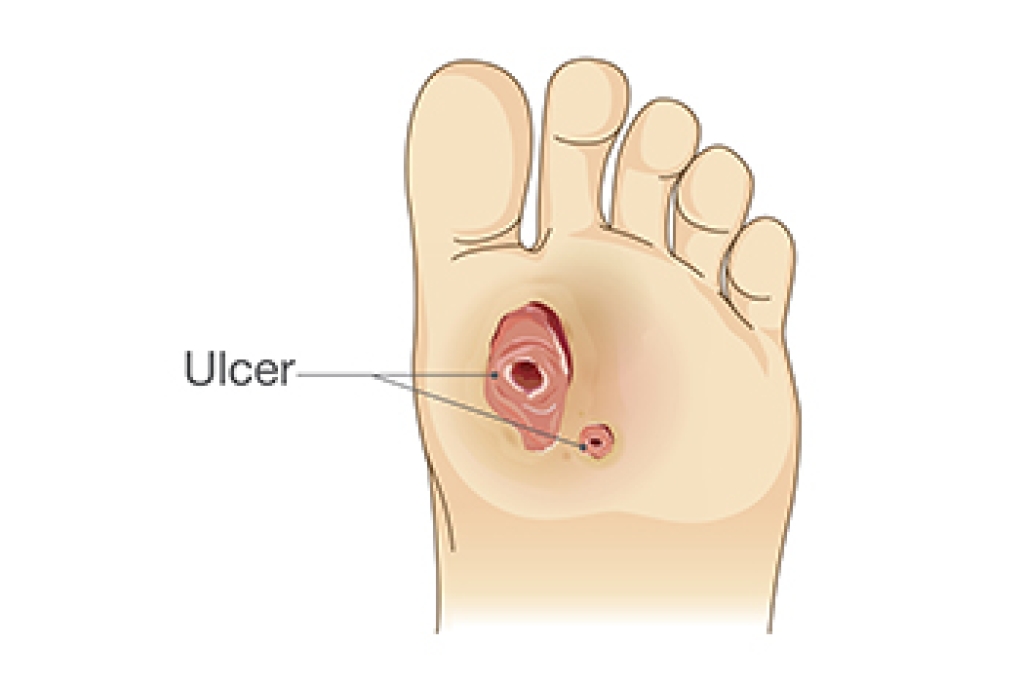
A diabetic foot ulcer is an open sore that develops on the foot, often in people with diabetes due to poor circulation and nerve damage. This condition can begin with a small cut, blister, or pressure point that goes unnoticed because of reduced sensation. Over time, the area may break down and form a wound that is slow to heal. Symptoms can include redness, swelling, drainage, and, in some cases, a foul odor. Risk factors include long term diabetes, wearing improper footwear, high blood sugar levels, and previous foot injuries. If not treated early, the ulcer can deepen and lead to serious complications. A podiatrist can examine the wound, assess circulation, and provide specialized care to promote healing and prevent infection. If you have diabetes and have developed a foot ulcer, it is strongly suggested that you are under the care of a podiatrist who can effectively treat the wound and help you manage this serious condition.

Wound care is an important part in dealing with diabetes. If you have diabetes and a foot wound or would like more information about wound care for diabetics, consult with Emmanuel Bustos, DPM from New York. Our doctor will assess your condition and provide you with quality foot and ankle treatment.

What Is Wound Care?

Wound care is the practice of taking proper care of a wound. This can range from the smallest to the largest of wounds. While everyone can benefit from proper wound care, it is much more important for diabetics. Diabetics often suffer from poor blood circulation which causes wounds to heal much slower than they would in a non-diabetic. 

What Is the Importance of Wound Care?

While it may not seem apparent with small ulcers on the foot, for diabetics, any size ulcer can become infected. Diabetics often also suffer from neuropathy, or nerve loss. This means they might not even feel when they have an ulcer on their foot. If the wound becomes severely infected, amputation may be necessary. Therefore, it is of the upmost importance to properly care for any and all foot wounds.

How to Care for Wounds

The best way to care for foot wounds is to prevent them. For diabetics, this means daily inspections of the feet for any signs of abnormalities or ulcers. It is also recommended to see a podiatrist several times a year for a foot inspection. If you do have an ulcer, run the wound under water to clear dirt from the wound; then apply antibiotic ointment to the wound and cover with a bandage. Bandages should be changed daily and keeping pressure off the wound is smart. It is advised to see a podiatrist, who can keep an eye on it.

If you have any questions please contact our office located in the Upper West Side and New York City, NY . We offer the newest diagnostic and treatment technologies for all your foot and ankle needs.

Read more about Wound Care

Are You Suffering From Ingrown Toenails?

If left untreated, an ingrown toenail can lead to more serious concerns, such as an infection. Knowing proper nail care can help in the prevention of an ingrown toenail. Give us a call, and get treated!

Persistent Toenail Fungus Explained

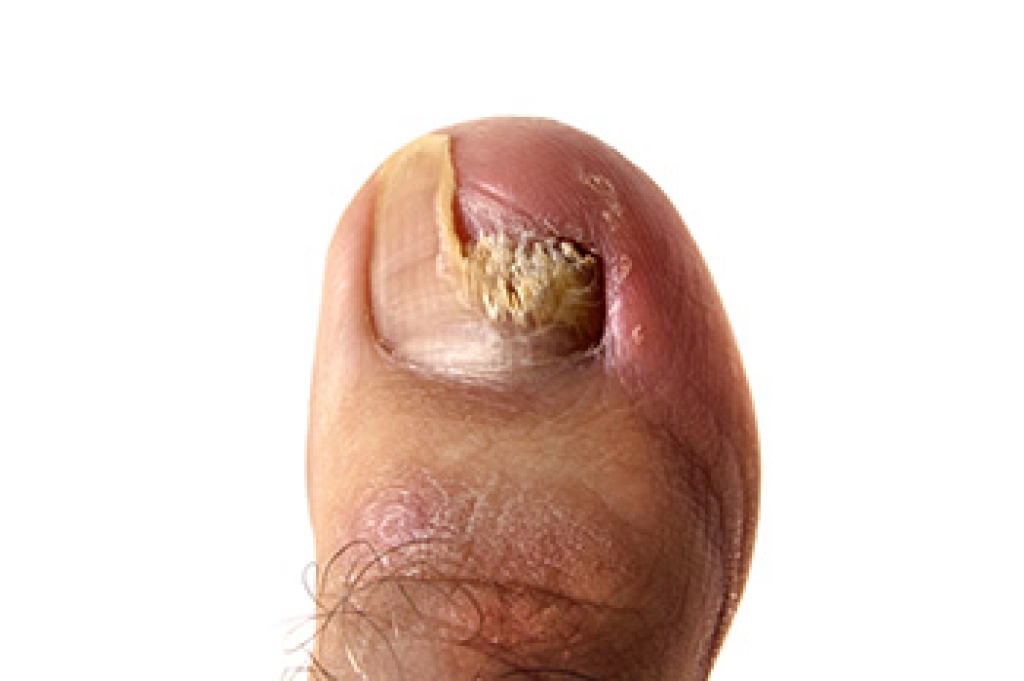
Toenail fungus is a common infection that affects the nail and the skin underneath it, often caused by dermatophyte organisms that thrive in warm and moist environments. It usually appears as a thickened, discolored nail that may turn yellow, white, or brown, and can become brittle or crumbly over time. Some people notice a mild odor or separation of the nail from the nail bed. The condition develops when fungi enter through small cracks in the nail or surrounding skin, often in places like locker rooms or public pool areas. It is difficult to treat because the infection sits deep under the nail, making it hard for topical products to reach. A podiatrist can confirm the diagnosis, trim and thin the nail, and provide advanced treatments to target the infection effectively. If you have developed toenail fungus, it is suggested that you consult a podiatrist who can effectively treat this condition, which often includes prescribed medication.

If left untreated, toenail fungus may spread to other toenails, skin, or even fingernails. If you suspect you have toenail fungus it is important to seek treatment right away. For more information about treatment, contact Emmanuel Bustos, DPM of New York. Our doctor can provide the care you need to keep you pain-free and on your feet.

Symptoms

  • Warped or oddly shaped nails
  • Yellowish nails
  • Loose/separated nail
  • Buildup of bits and pieces of nail fragments under the nail
  • Brittle, broken, thickened nail

Treatment

If self-care strategies and over-the-counter medications does not help your fungus, your podiatrist may give you a prescription drug instead. Even if you find relief from your toenail fungus symptoms, you may experience a repeat infection in the future.

Prevention

In order to prevent getting toenail fungus in the future, you should always make sure to wash your feet with soap and water. After washing, it is important to dry your feet thoroughly especially in between the toes. When trimming your toenails, be sure to trim straight across instead of in a rounded shape. It is crucial not to cover up discolored nails with nail polish because that will prevent your nail from being able to “breathe”.

In some cases, surgical procedure may be needed to remove the toenail fungus. Consult with your podiatrist about the best treatment options for your case of toenail fungus.  

If you have any questions please contact our office located in the Upper West Side and New York City, NY . We offer the newest diagnostic and treatment technologies for all your foot and ankle needs.

Read more about Toenail Fungus

Connect With Us

Advanced Podiatric Procedures & Services in the  New York City NY, Manhattan NY, Brooklyn NY, Queens NY, Bronx NY, Staten Island NY, Jamaica NY, Plainview NY, Long Island NY, Fair Lawn NJ, Prospect Park NJ, Paterson NJ, Garfield NJ, Maywood NJ, Glen Rock NJ, Ridgewood NJ areas