A Broken Big Toe After Injury

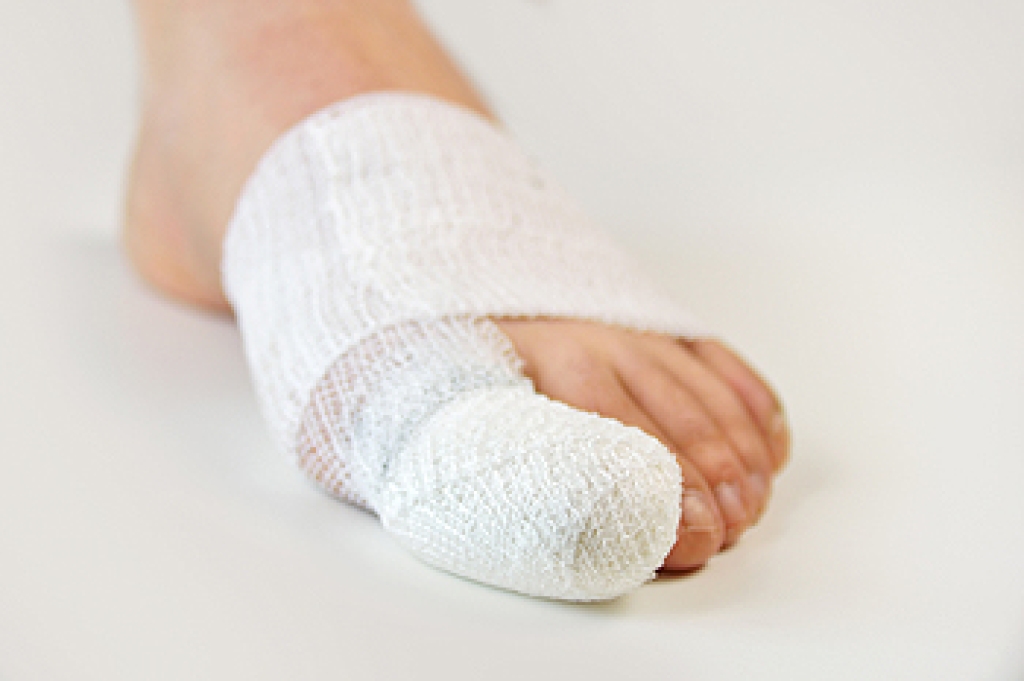
A traumatic hallux fracture is a break in the big toe caused by injuries such as a heavy object falling on the foot, a forceful stub, a fall, or a sports accident. Because the big toe helps with balance and forward movement, this injury can make walking quite uncomfortable. Symptoms often include swelling, bruising, throbbing pain, stiffness, and difficulty pushing off the foot. Some injuries also cause visible deformity or marked tenderness. Evaluation helps determine whether the break is stable, displaced, or extends into the joint. Stable fractures generally remain in proper position and may heal with protection and reduced activity. Displaced fractures occur when the bone fragments have shifted out of alignment. Breaks that extend into the joint can affect movement and may need closer management to help preserve function. Treatment may include immobilization, protective footwear, activity modification, and follow-up imaging. If you have a painful big toe injury, it is suggested that you visit a podiatrist for appropriate treatment solutions.

Broken toes may cause a lot of pain and should be treated as soon as possible. If you have any concerns about your feet, contact Emmanuel Bustos, DPM from New York. Our doctor will treat your foot and ankle needs.

What Is a Broken Toe?

A broken toe occurs when one or more of the toe bones of the foot are broken after an injury. Injuries such as stubbing your toe or dropping a heavy object on it may cause a toe fracture.

Symptoms of a Broken Toe

  • Swelling
  • Pain (with/without wearing shoes)
  • Stiffness
  • Nail Injury

Although the injured toe should be monitored daily, it is especially important to have a podiatrist look at your toe if you have severe symptoms. Some of these symptoms include worsening or new pain that is not relieved with medication, sores, redness, or open wounds near the toe.

If you have any questions please feel free to contact our office located in the Upper West Side and New York City, NY . We offer the newest diagnostic tools and technology to treat your foot and ankle needs.

Read more about What to Know About a Broken Toe

Plantar Fasciitis and the Role of the Windlass Mechanism

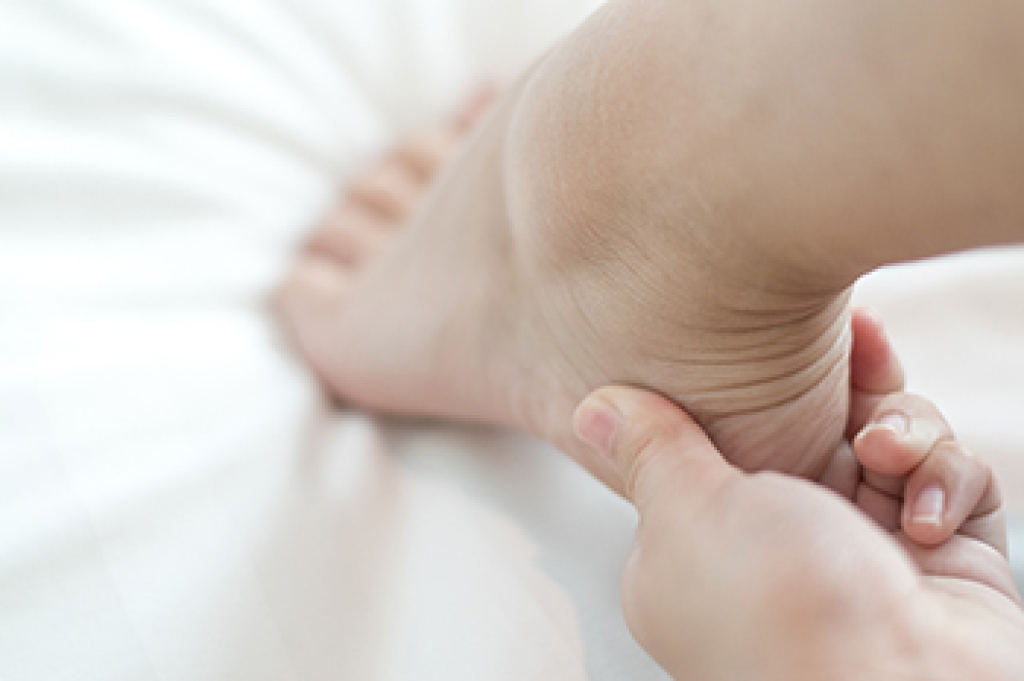
Plantar fasciitis is one of the most common causes of heel pain. It affects individuals who place repetitive stress on the bottom of the foot. It occurs when the plantar fascia, a thick band of connective tissue that supports the arch, becomes irritated or develops micro-tears. This tissue runs from the heel bone to the toes and plays a vital role in maintaining proper foot mechanics. A key concept in understanding this condition is called the windlass mechanism. This describes how the plantar fascia tightens as the toes extend while walking, helping to stabilize the arch and create an efficient push-off phase.

Symptoms of plantar fasciitis typically include sharp heel pain that is most noticeable with the first steps in the morning or after periods of rest. The discomfort may decrease with activity but often returns after prolonged standing or walking. Patients may also report stiffness in the arch, tenderness along the heel, and increased pain after exercise rather than during it. These symptoms are often linked to strain within the plantar fascia and dysfunction in the windlass mechanism, which reduces the foot's ability to absorb and distribute forces effectively.


Several risk factors contribute to the development of plantar fasciitis. Individuals with flat feet or high arches may experience abnormal stress on the plantar fascia. Occupations that require prolonged standing, such as teaching or retail work, can increase strain on the heel. Wearing improper footwear, especially shoes with poor arch support, can further disrupt foot mechanics. Tight calf muscles and limited ankle mobility may also interfere with the windlass mechanism, placing additional tension on the plantar fascia during movement.


It is important to know that plantar fasciitis is both a structural and functional condition that benefits from early attention and proper support. Understanding how the windlass mechanism contributes to foot stability highlights the importance of maintaining flexibility and strength in the lower extremity. If you have symptoms of plantar fasciitis, it is suggested you consult a podiatrist for effective relief and treatment solutions.

Plantar fasciitis can be very painful and inconvenient. If you are experiencing heel pain or symptoms of plantar fasciitis, contact Emmanuel Bustos, DPM  from New York. Our doctor can provide the care you need to keep you pain-free and on your feet.

What Is Plantar Fasciitis?

Plantar fasciitis is the inflammation of the thick band of tissue that runs along the bottom of your foot, known as the plantar fascia, and causes mild to severe heel pain.

What Causes Plantar Fasciitis?

  • Excessive running
  • Non-supportive shoes
  • Overpronation
  • Repeated stretching and tearing of the plantar fascia

How Can It Be Treated?

  • Conservative measures – anti-inflammatories, ice packs, stretching exercises, physical therapy, orthotic devices
  • Shockwave therapy – sound waves are sent to the affected area to facilitate healing and are usually used for chronic cases of plantar fasciitis
  • Surgery – usually only used as a last resort when all else fails. The plantar fascia can be surgically detached from the heel

While very treatable, plantar fasciitis is definitely not something that should be ignored. Especially in severe cases, speaking to your doctor right away is highly recommended to avoid complications and severe heel pain. Your podiatrist can work with you to provide the appropriate treatment options tailored to your condition.

If you have any questions, please feel free to contact our office located in the Upper West Side and New York City, NY . We offer the newest diagnostic and treatment technologies for all your foot care needs.

Read more about Plantar Fasciitis

Why Live with Pain and Numbness in Your Feet?

Suffering from this type of pain? You may have the foot condition known as Morton's neuroma. Morton's neuroma may develop as a result of ill-fitting footwear and existing foot deformities. We can help.

Why Active Kids Can Experience Heel Pain from Sever's Disease

Sever's disease is one of the most frequent causes of heel pain in active children. It occurs when repetitive stress affects the growth plate in the heel, leading to irritation and discomfort. As children grow, their bones develop quickly, while muscles and tendons may remain tight. This creates increased tension at the heel, particularly during sports and physical activity. The condition is most often seen in children between 8 and 14 years old who are involved in activities that require running and jumping.

Common symptoms include heel pain that worsens with activity and improves with rest. Children may complain of soreness after sports or physical education. Limping or favoring one foot is also common, especially after prolonged activity. The heel may feel tender to the touch, and pressure can increase discomfort. These symptoms may come and go but tend to return if the underlying cause is not addressed.


Several risk factors increase the likelihood of developing Sever's disease. Rapid growth during adolescence is a primary factor, as it affects the balance between bones and soft tissues. High impact sports, tight calf muscles, and lack of proper shoe support can all contribute. Children with flat feet or high arches may place uneven stress on the heel, increasing irritation. Understanding these risks can help guide prevention and early care.


Treatment focuses on relieving stress on the heel and promoting healing. Rest, stretching, and wearing supportive shoes are key components of recovery. Heel cushions and orthotic devices can provide additional support and reduce impact. Early management allows children to remain active while minimizing discomfort. If your active child has heel pain, it is suggested that you consult a podiatrist for an accurate diagnosis and effective relief and management tips.

Sever's disease often occurs in children and teens. If your child is experiencing foot or ankle pain, see Emmanuel Bustos, DPM from New York. Our doctor can treat your child’s foot and ankle needs.

Sever’s Disease

Sever’s disease is also known as calcaneal apophysitis, which is a medical condition that causes heel pain I none or both feet. The disease is known to affect children between the ages of 8 and 14.

Sever’s disease occurs when part of the child’s heel known as the growth plate (calcaneal epiphysis) is attached to the Achilles tendon. This area can suffer injury when the muscles and tendons of the growing foot do not keep pace with bone growth. Therefore, the constant pain which one experiences at the back of the heel will make the child unable to put any weight on the heel. The child is then forced to walk on their toes.

Symptoms

Acute pain – Pain associated with Sever’s disease is usually felt in the heel when the child engages in physical activity such as walking, jumping and or running.

Highly active – Children who are very active are among the most susceptible in experiencing Sever’s disease, because of the stress and tension placed on their feet.

If you have any questions, please feel free to contact our office located in the Upper West Side and New York City, NY . We offer the newest diagnostic and treatment technologies for all your foot care needs.

Read more about Sever's Disease

Ways Your Shoes May Be Harming Your Feet

Shoes play an important role in foot health, yet many people have footwear that causes pain and other problems. Shoes that are too tight can squeeze the toes and place pressure on the front of the foot. This can lead to bunions, which are bony bumps that develop near the big toe joint. Tight shoes can also contribute to hammertoes, a condition in which the toes bend abnormally. Pointed-toe shoes are another concern because they push the toes together and reduce the space needed for normal movement. Footwear that does not fit properly can also change the way a person walks, creating strain on the feet and ankles.

Worn-out shoes can be just as harmful as shoes that fit poorly. The bottoms of shoes gradually wear down, especially around the heel. When this happens, the foot can become unbalanced while walking. Running shoes also lose their cushioning after repeated use. Less cushioning means the feet absorb more impact with every step. This can lead to discomfort in the feet, ankles, knees, and hips. Another common mistake is buying shoes without trying them on first. Shoe sizes can vary between brands, and a shoe that looks comfortable may not fit well once it is worn.

The time of day when shoes are purchased can also make a difference. Feet naturally swell after standing and walking for several hours. Shoes that feel comfortable early in the morning may become tight later in the day. It is also important to spend several minutes walking in new shoes before buying them. A podiatrist can evaluate foot structure, discuss footwear choices, and recommend supportive shoes or orthotics when needed. If you have foot pain from the shoes you wear, it is suggested that you make an appointment with a podiatrist for an exam and diagnosis.

It is important to find shoes that fit you properly in order to avoid a variety of different foot problems. For more information about treatment, contact Emmanuel Bustos, DPM from New York. Our doctor will treat your foot and ankle needs.

Proper Shoe Fitting

Shoes have many different functions. They cushion our body weight, protect our feet, and allow us to safely play sports. You should always make sure that the shoes you wear fit you properly in order to avoid injuries and deformities such as: bunions, corns, calluses, hammertoes, plantar fasciitis, stress fractures, and more. It is important to note that although a certain pair of shoes might be a great fit for someone else, that doesn’t mean they will be a great fit for you. This is why you should always try on shoes before buying them to make sure they are worth the investment. Typically, shoes need to be replaced ever six months to one year of regular use.

Tips for Proper Shoe Fitting

  • Select a shoe that is shaped like your foot
  • Don’t buy shoes that fit too tight, expecting them to stretch to fit
  • Make sure there is enough space (3/8” to ½”) for your longest toe at the end of each shoe when you are standing up
  • Walk in the shoes to make sure they fit and feel right
  • Don’t select shoes by the size marked inside the shoe, but by how the shoe fits your foot

The shoes you buy should always feel as good as they look. Shoes that fit properly will last longer, feel better, and improve your way of life each day.

If you have any questions please contact our office located in the Upper West Side and New York City, NY . We offer the newest diagnostic and treatment technologies for all your foot and ankle needs.

Read more about Proper Shoe Fitting

Connect With Us

Advanced Podiatric Procedures & Services in the  New York City NY, Manhattan NY, Brooklyn NY, Queens NY, Bronx NY, Staten Island NY, Jamaica NY, Plainview NY, Long Island NY, Fair Lawn NJ, Prospect Park NJ, Paterson NJ, Garfield NJ, Maywood NJ, Glen Rock NJ, Ridgewood NJ areas