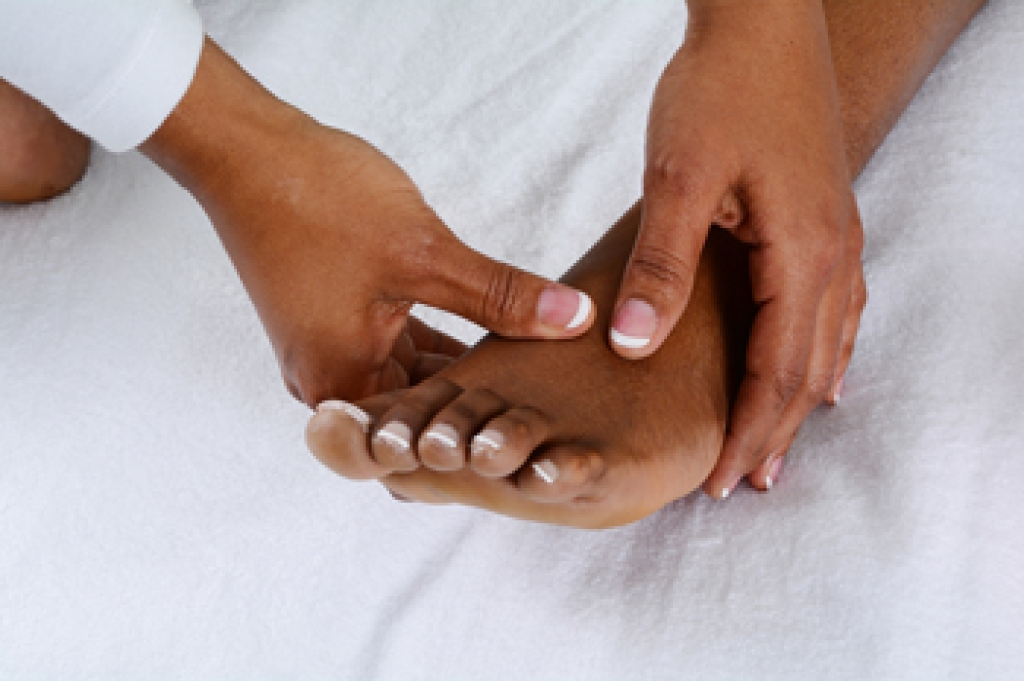
A Common Area of the Foot Where Stress Fractures Can Occur

Many patients can incur a stress fracture by participating in repetitive activities that can weaken the bones. The metatarsal bones are a common area in the foot where this type of injury can happen. These are the bones that connect the ankle to the toes and undergo stress as everyday activities are performed. Additionally, a stress fracture can occur in runners that increase speed and distance too soon, and it may possibly help to warm up and cool down before and after the activity is performed. The pain in the affected area may gradually diminish, but generally returns as the chosen exercise is performed. Relief can be found when the foot can rest, and this typically involves stopping the movement that caused the injury. If you have endured a stress fracture, it is suggested that you consult with a podiatrist who can offer you the best treatment options.

Stress fractures occur when there is a tiny crack within a bone. To learn more, contact Emmanuel Bustos, DPM from New York. Our doctor can provide the care you need to keep you pain free and on your feet.

How Are They Caused?

Stress fractures are the result of repetitive force being placed on the bone. Since the lower leg and feet often carry most of the body’s weight, stress fractures are likely to occur in these areas. If you rush into a new exercise, you are more likely to develop a stress fracture since you are starting too much, too soon.  Pain resulting from stress fractures may go unnoticed at first, however it may start to worsen over time.

Risk Factors

  • Gender – They are more commonly found in women compared to men.
  • Foot Problems – People with unusual arches in their feet are more likely to develop stress fractures.
  • Certain Sports – Dancers, gymnasts, tennis players, runners, and basketball players are more likely to develop stress fractures.
  • Lack of Nutrients – A lack of vitamin D and calcium may weaken the bones and make you more prone to stress fractures
  • Weak Bones – Osteoporosis can weaken the bones therefore resulting in stress fractures

Stress fractures do not always heal properly, so it is important that you seek help from a podiatrist if you suspect you may have one. Ignoring your stress fracture may cause it to worsen, and you may develop chronic pain as well as additional fractures.

If you have any questions please contact our office located in the Upper West Side, NY . We offer the newest diagnostic and treatment technologies for all your foot and ankle needs.

Read more about Stress Fractures of the Foot and Ankle

Foot Pain From Running

As a runner, foot problems like blisters or plantar fasciitis can be frustrating. Research shows many runners face foot injuries, which disrupt their training. Blisters are caused by friction, while bunions can develop from genetics or wearing tight shoes. Plantar fasciitis, a common foot condition, brings heel pain due to inflammation. Peroneal tendonitis and neuromas are also common, affecting foot tendons and nerves. Weakness and instability in foot muscles are main causes of foot pain. Overuse can lead to soreness or injury. Strengthening exercises, including toe yoga and arch lifts, can help to prevent issues. If you are a runner and are experiencing more than soreness from a good workout, it is suggested that you schedule an appointment with a podiatrist for a consultation, as pushing through pain can worsen injuries.

Exercising your feet regularly with the proper foot wear is a great way to prevent injuries. If you have any concerns about your feet, contact Emmanuel Bustos, DPM of New York. Our doctor will treat your foot and ankle needs.

How to Prevent Running Injuries

Many common running injuries are caused by overuse and overtraining. When the back of the kneecap starts wearing out and starts causing pain in your knee, this is commonly referred to as runner’s knee. Runner’s knee is a decrease in strength in your quadriceps and can occur if you’re not wearing properly fitted or supporting shoes. To prevent runner’s knee, focusing on hip strengthening is a good idea, as well as strengthening your quads to keep the kneecaps aligned.

What Are Some Causes of Running Injuries? 
- One cause of a common running injury is called iliotibial band syndrome.
- Plantar fasciitis is also another common injury.
- Stress fractures can occur from overtraining, lack of calcium, or even your running style.

Best Ways to Prevent Running Injuries
- Wear footwear that fits properly and suits your running needs.
- Running shoes are the only protective gear that runners have to safeguard them from injury.
- Make a training schedule. Adding strengthening exercises as well as regular stretching can help keep you strong and limber and can lessen the possibility of injuries.
- Stretching keeps muscles limber; this will help you gain better flexibility.

If you have any questions, please feel free to contact our office located in the Upper West Side, NY . We offer the newest diagnostic and treatment technologies for all your foot care needs.

Read more about How to Prevent Running Injuries

Causes and Treatment of Black Toenail

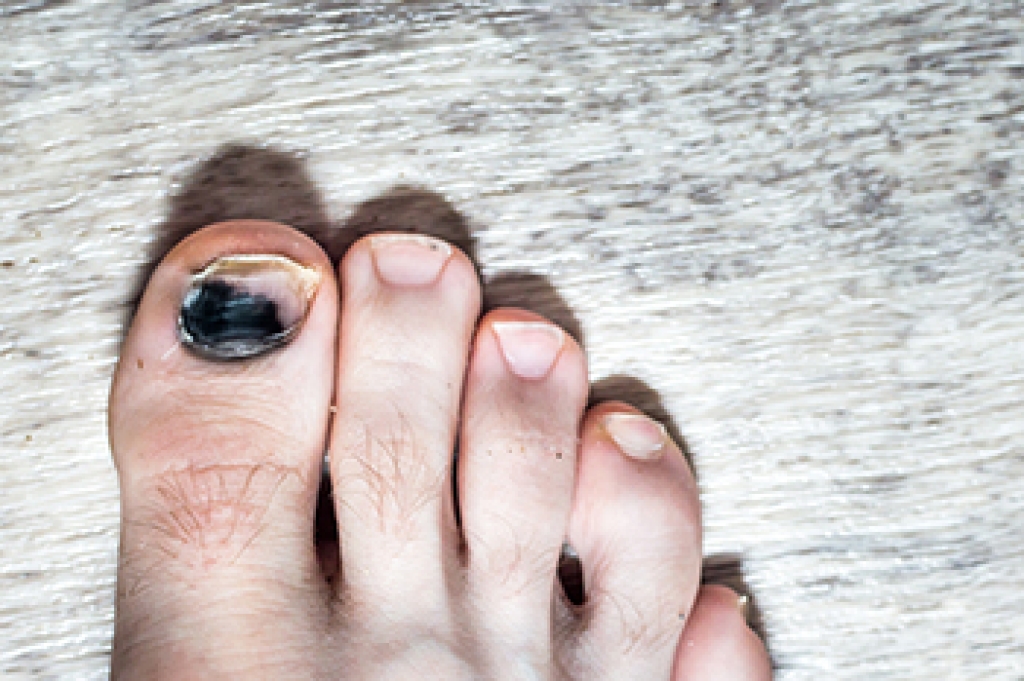
A black toenail can be concerning because it may develop from a variety of causes, ranging from trauma to underlying health issues. The most common cause of a blackened toenail is injury. Stubbing the toe or repeated pressure from shoes can trap blood under the nail and cause it to darken. Runners often experience this type of injury, sometimes called runner’s toe. Discoloration may also signal a fungal infection, where organisms thrive under the nail and can lead to thickening or brittleness. Ingrown toenails or bacterial infections can cause similar toenail changes. Medical conditions like diabetes, circulation problems, or even vitamin deficiencies may also  contribute to nail darkening. Rarely, melanoma, a form of skin cancer, may appear as a dark streak under the toenail. A podiatrist can examine the toenail and order appropriate tests. Treatment may involve draining trapped blood, addressing infection, or, in severe cases, surgery. If you notice discoloration of a toenail, it is suggested that you schedule an appointment with a podiatrist for an evaluation and appropriate treatment.

Toe pain can disrupt your daily activities. If you have any concerns, contact Emmanuel Bustos, DPM of New York. Our doctor can provide the care you need to keep you pain-free and on your feet.

What Causes Toe Pain?

Most severe toe pain is caused due to a sports injury, trauma from dropping something heavy on the toe, or bumping into something rigid. Other problems can develop over time for various reasons.

Toe pain can be caused by one or more ailments. The most common include:

  • Trauma
  • Sports injury
  • Wearing shoes that are too tight
  • Arthritis
  • Gout
  • Corns and calluses
  • Hammertoe
  • Bunions
  • Blisters
  • Ingrown toenails
  • Sprains
  • Fractures (broken bones)
  • Dislocations

When to See a Podiatrist

  • Severe pain
  • Persistent pain that lasts more than a week
  • Signs of infection
  • Continued swelling
  • Pain that prevents walking

Diagnosis

In many cases the cause of toe pain is obvious, but in others, a podiatrist may want to use more advanced methods to determine the problem. These can range from simple visual inspections and sensation tests to X-rays and MRI scans. Prior medical history, family medical history, and any recent physical traumatic events will all be taken into consideration for a proper diagnosis.

Treatment

Treatments for toe pain and injuries vary and may include shoe inserts, padding, taping, medicines, injections, and in some cases, surgery. If you believe that you have broken a toe, please see a podiatrist as soon as possible.

If you have any questions please contact our office located in the Upper West Side, NY . We offer the newest diagnostic and treatment technologies for all your foot and ankle needs.
Read more about Toe Pain

Ways That Diabetes Affects the Feet

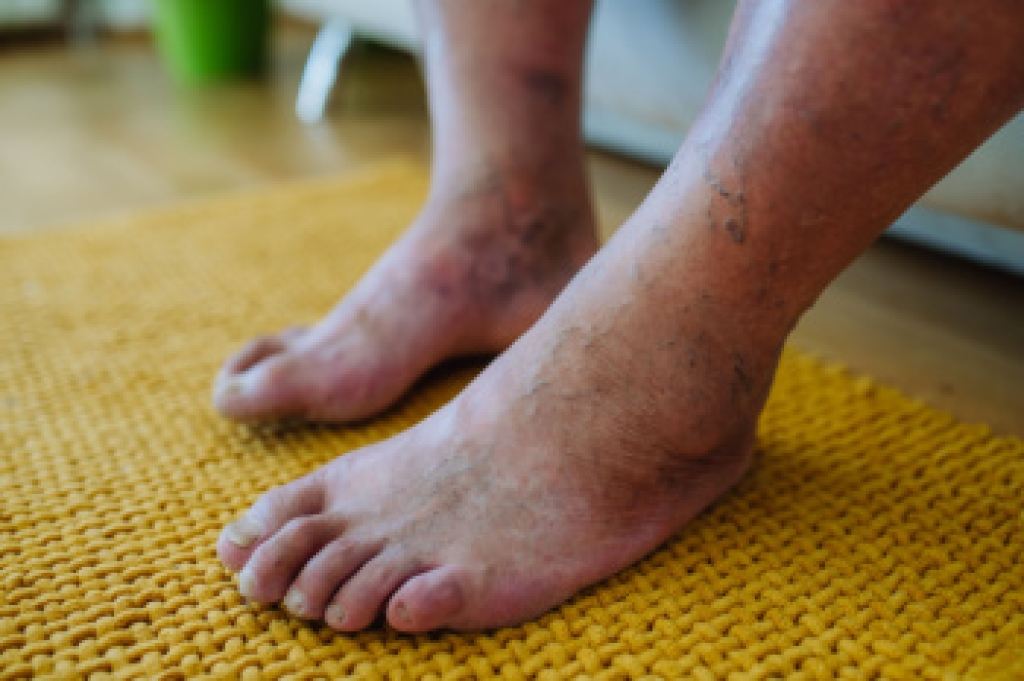
Diabetes can have a profound effect on the feet due to its impact on both nerves and circulation. Nerve damage, also called diabetic neuropathy, may reduce the ability to feel pain or temperature changes in the feet. This can allow small injuries, burns, or sores to go unnoticed and worsen over time. The loss of sensation can also lead to structural changes in the bones, joints, and muscles of the feet. Some people may still experience tingling, burning, or sharp pain from nerve involvement. Poor circulation, often linked to narrowed arteries, limits the blood flow needed for healing. This leaves the feet more vulnerable to ulcers or other problems. Infections can spread quickly in feet affected by diabetes and are harder to treat due to slower healing. A podiatrist can identify early warning signs, provide treatment for ulcers or infections, and help prevent severe complications. If you have complications from diabetes that are affecting your feet, it is suggested that you make an appointment with a podiatrist for regular treatment.

Diabetic foot care is important in preventing foot ailments such as ulcers. If you are suffering from diabetes or have any other concerns about your feet, contact Emmanuel Bustos, DPM from New York. Our doctor can provide the care you need to keep you pain-free and on your feet.

Diabetic Foot Care

Diabetes affects millions of people every year. The condition can damage blood vessels in many parts of the body, especially the feet. Because of this, taking care of your feet is essential if you have diabetes, and having a podiatrist help monitor your foot health is highly recommended.

The Importance of Caring for Your Feet

  • Routinely inspect your feet for bruises or sores.
  • Wear socks that fit your feet comfortably.
  • Wear comfortable shoes that provide adequate support.

Patients with diabetes should have their doctor monitor their blood levels, as blood sugar levels play such a huge role in diabetic care. Monitoring these levels on a regular basis is highly advised.

It is always best to inform your healthcare professional of any concerns you may have regarding your feet, especially for diabetic patients. Early treatment and routine foot examinations are keys to maintaining proper health, especially because severe complications can arise if proper treatment is not applied.

If you have any questions, please feel free to contact our office located in the Upper West Side, NY . We offer the newest diagnostic and treatment technologies for all your foot care needs.

Read more about How to Care for Diabetic Foot

We Can Treat Your Foot or Ankle Pain

Foot or ankle pain can negatively affect your day-to-day life and can occur due to several different conditions. Pain can also be an indicator of a more serious underlying condition, which is why you should seek professional help as soon as you notice any abnormalities in your feet.

Connect With Us