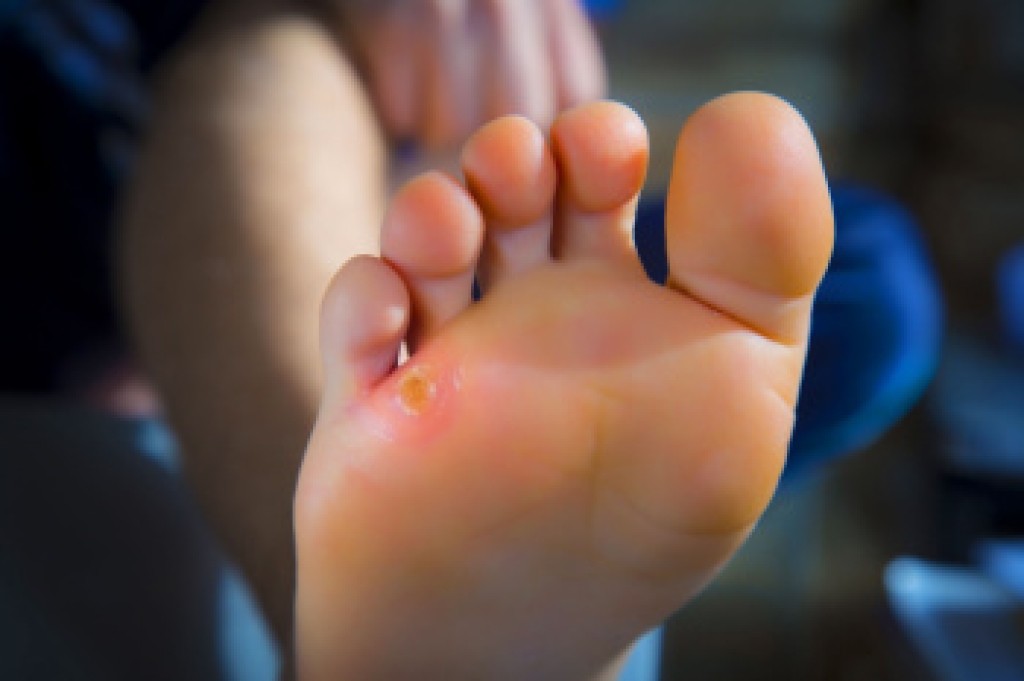
Podiatric Care and Foot Corns

Corns are thickened areas of skin that develop when the feet experience repeated pressure or friction. They frequently appear on the tops or sides of the toes, where shoes can rub against the skin. Unlike calluses, which tend to cover larger areas, corns are usually smaller and have a firm center. They can become painful when pressure is placed on them. Wearing shoes that are too tight can contribute to corns, especially when the toes are crowded or repeatedly rub against the inside of the shoe.

Foot structure can also play a role in corn development. A hammertoe or another change in toe position can create areas of increased pressure inside a shoe. Corns can also form between the toes, where skin repeatedly rubs together. These corns can remain softer because moisture collects between the toes. People with diabetes or poor blood flow need to be especially careful with corns because foot injuries can lead to serious complications. Persistent pain, redness, or changes in the surrounding skin deserve evaluation. Repeated corns can signal an underlying pressure problem that should be addressed.

A podiatrist can examine a corn and determine what is causing pressure on the affected area. The evaluation can include checking foot structure, toe position, and how shoes fit. A podiatrist can safely reduce thickened skin and recommend padding or other devices to protect sensitive areas. Treatment can also address structural problems that contribute to repeated pressure. In some cases, surgery can be considered when a foot deformity causes ongoing pain and conservative treatment does not provide enough relief. Proper evaluation can help prevent recurring corns and protect surrounding skin. If you have developed corns on the feet, it is suggested that you schedule an appointment with a podiatrist for effective relief and treatment solutions. 

If you have any concerns regarding your feet and ankles, contact Emmanuel Bustos, DPM of New York City. Our doctor will treat your foot and ankle needs.

Corns: What Are They? and How Do You Get Rid of Them?
Corns can be described as areas of the skin that have thickened to the point of becoming painful or irritating. They are often layers and layers of the skin that have become dry and rough, and are normally smaller than calluses.

Ways to Prevent Corns
There are many ways to get rid of painful corns such as wearing:

  • Well-fitting socks
  • Comfortable shoes that are not tight around your foot
  • Shoes that offer support

Treating Corns
Treatment of corns involves removing the dead skin that has built up in the specific area of the foot. Consult with Our doctor to determine the best treatment option for your case of corns.

If you have any questions, please feel free to contact our office located in the Upper West Side and New York City, NY . We offer the newest diagnostic and treatment technologies for all your foot care needs.

Read more about Corns and Calluses

Wounds That Don't Heal Need to Be Checked

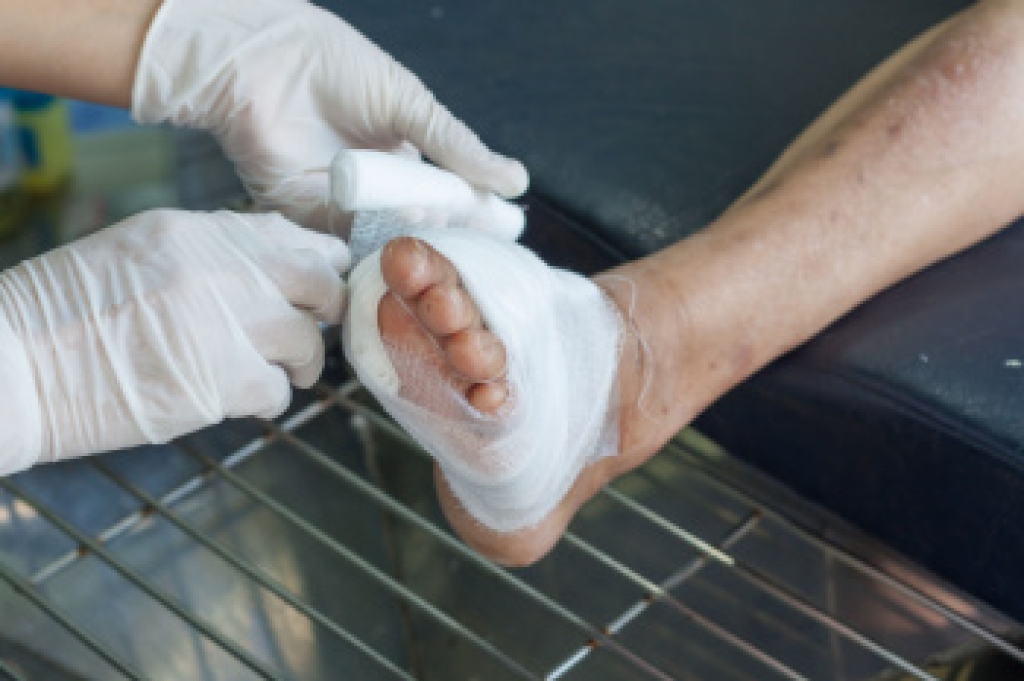
Your feet are covered most of the day. If you're diabetic, periodic screening is important for good health. Numbness is often a sign of diabetic foot and can mask a sore or wound.

Diabetes-Related Foot Complications

Diabetes can affect more than blood sugar. It may damage nerves, blood vessels, and other tissues in the feet. These changes can create diabetic foot complications that range from dryness and irritation to serious ulcers. Symptoms may include numbness, tingling, or changes in skin color. Diabetic neuropathy can reduce sensation. Recognizing changes early is important because a small foot injury can become difficult to heal when diabetes affects circulation and nerve function.

Diabetic neuropathy is nerve damage caused by prolonged high blood sugar. Reduced sensation can make it harder to notice blisters, cuts, or burns. Diabetes can cause skin changes, including dryness, cracking, and thickened areas. Poor circulation may limit oxygen reaching injured tissue. Risk factors include uncontrolled blood sugar, long-term diabetes, and foot problems. Wearing poorly fitting shoes or walking with pressure can increase the risk of injury and skin breakdown.


A diabetic foot ulcer is an open wound that may develop after pressure, friction, or unnoticed injury. Ulcers occur beneath the foot or around areas exposed to pressure. A podiatrist will examine the skin, check sensation and circulation, and evaluate the wound. Treatment may involve cleaning and protecting the ulcer, reducing pressure, and monitoring healing. The podiatrist may recommend footwear or wound care and coordinate medical treatment when infection or circulation concerns are present.


Daily foot awareness is important for diabetic care. Examine your feet for wounds, drainage, or skin changes. Avoid walking barefoot, and choose shoes that fit comfortably without creating pressure. Podiatric care can help identify problems before they become serious. If foot complications from diabetes develop, it is suggested that you are under the care of a podiatrist who can help you to manage this serious condition.

Diabetic foot care is important in preventing foot ailments such as ulcers. If you are suffering from diabetes or have any other concerns about your feet, contact Emmanuel Bustos, DPM from New York City. Our doctor can provide the care you need to keep you pain-free and on your feet.

Diabetic Foot Care

Diabetes affects millions of people every year. The condition can damage blood vessels in many parts of the body, especially the feet. Because of this, taking care of your feet is essential if you have diabetes, and having a podiatrist help monitor your foot health is highly recommended.

The Importance of Caring for Your Feet

  • Routinely inspect your feet for bruises or sores.
  • Wear socks that fit your feet comfortably.
  • Wear comfortable shoes that provide adequate support.

Patients with diabetes should have their doctor monitor their blood levels, as blood sugar levels play such a huge role in diabetic care. Monitoring these levels on a regular basis is highly advised.

It is always best to inform your healthcare professional of any concerns you may have regarding your feet, especially for diabetic patients. Early treatment and routine foot examinations are keys to maintaining proper health, especially because severe complications can arise if proper treatment is not applied.

If you have any questions, please feel free to contact our office located in the Upper West Side and New York City, NY . We offer the newest diagnostic and treatment technologies for all your foot care needs.
Read more about Diabetic Foot Conditions

Lumps in the Arch of the Foot

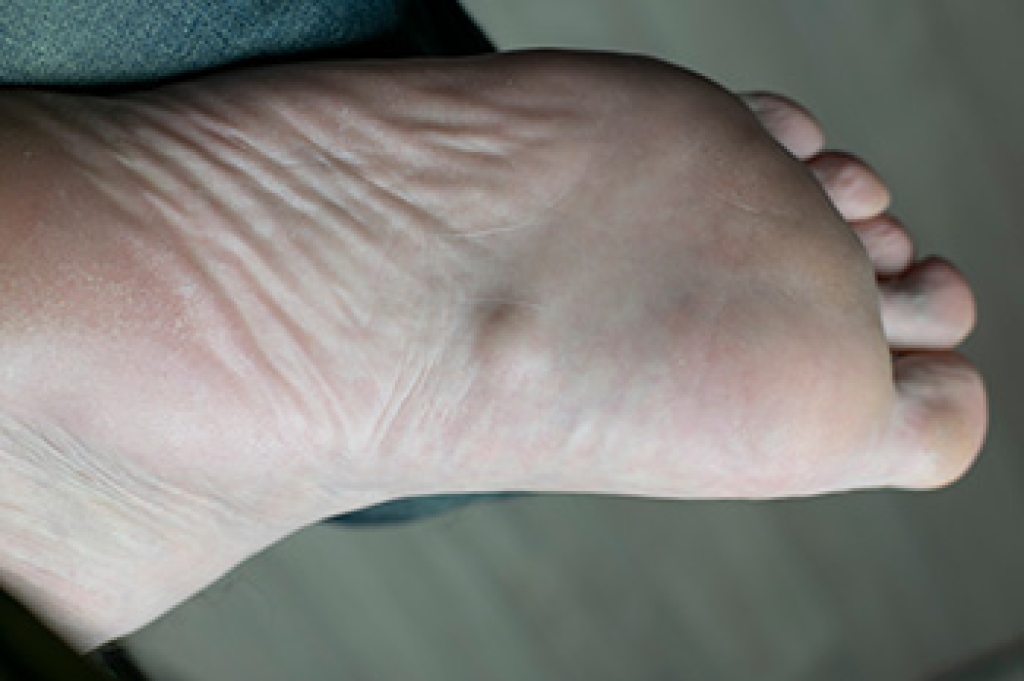
Plantar fibromatosis is a non-cancerous condition that develops within the band of tissue along the bottom of the foot. It often appears as a small, firm lump in the arch. It may cause discomfort when walking or standing, especially with pressure. Symptoms include localized pain, a noticeable nodule, and irritation from footwear.  The exact cause of these conditions is not always clear, but risk factors include genetics, repetitive strain, and certain medical conditions. If you notice a lump on the bottom of your foot, it is suggested that you consult a podiatrist who can offer effective relief and management solutions.

A plantar fibroma may disrupt your daily activities. If you have any concerns, contact Emmanuel Bustos, DPM of New York City. Our doctor can provide the care you need to keep you pain-free and on your feet.

Plantar Fibroma

A plantar fibroma is a fibrous knot in the arch of the foot. It is embedded in the plantar fascia which is a band of tissue that extends from the heel to the toes along the bottom of the foot. There can be multiple plantar fibromas in the feet at the same time. There are no known causes for this condition. If you have a plantar fibroma, there will be a bump in the arch of your foot that cannot be missed. Any associated pain is most often due to a shoe rubbing against the nodule. Non-surgical options, such as steroid injections, physical therapy, and orthotics should be tried first. Surgery is a last resort and is the only thing that will remove a plantar fibroma entirely. Consult with a podiatrist for a proper diagnosis and to determine the treatment regimen that is right for you.

What Causes a Plantar Fibroma?

While there are no specific causes identified, a plantar fibroma can possibly come from genetic predisposition or the formation of scar tissue that forms from healing the tears in the plantar fascia.

What Are the Symptoms of a Plantar Fibroma?

There will be a noticeable lump in the arch of the foot that may or may not cause pain. If pain is felt, it is typically because a shoe is rubbing up against the lump or when walking or standing barefoot.

Treatment and Prevention

A plantar fibroma will not disappear without treatment, but it can get smaller and be a non-issue. If pain persists, a podiatrist examines the foot and when the arch of the foot is pressed, pain can be felt down to the toes. An MRI or biopsy might be performed to help diagnose or evaluate the plantar fibroma. The following non-surgical options are generally enough to reduce the size and pain of these nodules:

  • Steroid injections
  • Orthotics
  • Physical therapy to help apply anti-inflammatory creams on the bump 

Surgery is considered if the mass increases in size and the patient continues to feel pain after non-surgical methods are tried.

If you have any questions, please feel free to contact our office located in the Upper West Side and New York City, NY . We offer the newest diagnostic and treatment technologies for all your foot care needs.

Read more about Plantar Fibroma

Preventing Falls in Older Adults Through Active Living

Falls in older adults are a major health concern that can lead to serious injury and reduced independence. Many factors contribute to falls, including muscle weakness, poor balance, and underlying medical conditions. Lack of regular exercise plays a significant role, as it leads to reduced strength and slower reflexes. Maintaining foot and ankle stability is essential for safe movement and long term mobility.

Symptoms that increase fall risk often develop gradually. These include unsteady walking, difficulty standing for long periods of time, and reduced coordination. Some individuals may experience foot pain, numbness, or stiffness that interferes with balance. Social isolation and loneliness are also important contributors. Older adults who are less socially active may engage in less physical movement, which weakens muscles and reduces confidence in mobility. This cycle can increase the likelihood of falls and related injuries.

Risk factors for falls include aging-related changes in muscle strength, wearing poor footwear, and untreated foot conditions. Lack of exercise reduces flexibility and balance, while improper shoes can limit stability and grip. Loneliness may lead to decreased activity levels and delayed medical care. Falls can result in a range of foot and ankle conditions, including sprains, fractures, and tendon injuries. These injuries may take longer to heal in older adults, increasing the risk of further complications.

Preventing falls involves staying active, wearing supportive footwear, and addressing foot pain early. Regular exercise can improve strength, coordination, and balance. Staying socially engaged can also encourage movement and reduce isolation. Routine foot evaluations can help identify problems before they lead to injury. If you sustained a foot or ankle injury from falling, it is suggested that you consult a podiatrist for effective relief and treatment solutions.

Preventing falls among the elderly is very important. If you are older and have fallen or fear that you are prone to falling, consult with Emmanuel Bustos, DPM from New York City. Our doctor will assess your condition and provide you with quality advice and care.

Every 11 seconds, an elderly American is being treated in an emergency room for a fall related injury. Falls are the leading cause of head and hip injuries for those 65 and older. Due to decreases in strength, balance, senses, and lack of awareness, elderly persons are very susceptible to falling. Thankfully, there are a number of things older persons can do to prevent falls.

How to Prevent Falls

Some effective methods that older persons can do to prevent falls include:

  • Enrolling in strength and balance exercise program to increase balance and strength
  • Periodically having your sight and hearing checked
  • Discuss any medications you have with a doctor to see if it increases the risk of falling
  • Clearing the house of falling hazards and installing devices like grab bars and railings
  • Utilizing a walker or cane
  • Wearing shoes that provide good support and cushioning
  • Talking to family members about falling and increasing awareness

Falling can be a traumatic and embarrassing experience for elderly persons; this can make them less willing to leave the house, and less willing to talk to someone about their fears of falling. Doing such things, however, will increase the likelihood of tripping or losing one’s balance. Knowing the causes of falling and how to prevent them is the best way to mitigate the risk of serious injury.  

If you have any questions, please feel free to contact our office located in the Upper West Side and New York City, NY . We offer the newest diagnostic and treatment technologies for all your foot care needs.

Read more about Falls Prevention

Connect With Us

Advanced Podiatric Procedures & Services in the  New York City NY, Manhattan NY, Brooklyn NY, Queens NY, Bronx NY, Staten Island NY, Jamaica NY, Plainview NY, Long Island NY, Fair Lawn NJ, Prospect Park NJ, Paterson NJ, Garfield NJ, Maywood NJ, Glen Rock NJ, Ridgewood NJ areas