
How Shoe Inserts Support Active Feet and Prevent Injury

Shoe inserts, also known as orthotics, are devices placed inside footwear to support the feet and improve alignment during movement. These inserts are commonly used in sports and physical activities to enhance comfort and reduce strain on the lower body. Orthotics can be custom-made or prefabricated, depending on the level of support needed. Their purpose is to stabilize the foot, improve shock-absorption, and promote efficient movement patterns. By addressing imbalances, orthotics help reduce stress on muscles and joints during activity.

Symptoms that may indicate the need for orthotics include foot pain, arch fatigue, heel discomfort, and instability while running or walking. Athletes may also notice decreased performance or recurring injuries. Risk factors include repetitive motion, high-impact sports, and wearing improper footwear. Structural foot issues such as flat feet or high arches are other factors. Without proper support, these factors can increase the likelihood of movement-related injuries and long-term discomfort.


Orthotics are used to treat a variety of conditions, including plantar fasciitis, Achilles tendon strain, shin splints, and over-pronation. They work by redistributing pressure across the foot and correcting alignment. This helps reduce strain on specific areas and supports natural motion. For individuals involved in sports, orthotics can improve balance, enhance stability, and reduce the risk of injury. They also help absorb impact forces, which is essential for protecting joints during repetitive movement.


The benefits of shoe inserts include improved comfort, better performance, and reduced risk of injury. They can support recovery by minimizing stress on affected areas and promoting proper biomechanics. Consistent use of orthotics can lead to long-term improvements in foot health and mobility. If you have foot pain or conditions that require orthotics, it is suggested that you consult a podiatrist who can determine what type of orthotics are right for you.

If you are having discomfort in your feet and would like to try orthotics, contact Emmanuel Bustos, DPM from New York. Our doctor can provide the care you need to keep you pain-free and on your feet.

What Are Orthotics?

Orthotics are inserts you can place into your shoes to help with a variety of foot problems such as flat feet or foot pain. Orthotics provide relief and comfort for minor foot and heel pain but can’t correct serious biomechanical problems in your feet.

Over-the-Counter Inserts

Orthotics come in a wide variety of over-the-counter inserts that are used to treat foot pain, heel pain, and minor problems. For example, arch supports can be inserted into your shoes to help correct overarched or flat feet, while gel insoles are often used because they provide comfort and relief from foot and heel pain by alleviating pressure.

Prescription Orthotics

If over-the-counter inserts don’t work for you or if you have a more severe foot concern, it is possible to have your podiatrist prescribe custom orthotics. These high-quality inserts are designed to treat problems such as abnormal motion, plantar fasciitis, and severe forms of heel pain. They can even be used to help patients suffering from diabetes by treating foot ulcers and painful calluses and are usually molded to your feet individually, which allows them to provide full support and comfort.

If you are experiencing minor to severe foot or heel pain, it’s recommended to speak with your podiatrist about the possibilities of using orthotics. A podiatrist can determine which type of orthotic is right for you and allow you to take the first steps towards being pain-free.

If you have any questions, please feel free to contact our office located in the Upper West Side and New York City, NY . We offer the newest diagnostic and treatment technologies for all your foot care needs.

Read more about Foot Orthotics

Do Your Child's Feet Hurt?

Have your child's feet been examined lately? Healthy feet are happy feet. If your child is complaining of foot pain, it may be a sign of underlying problems.

Recognizing Nerve Damage After Ankle Sprains

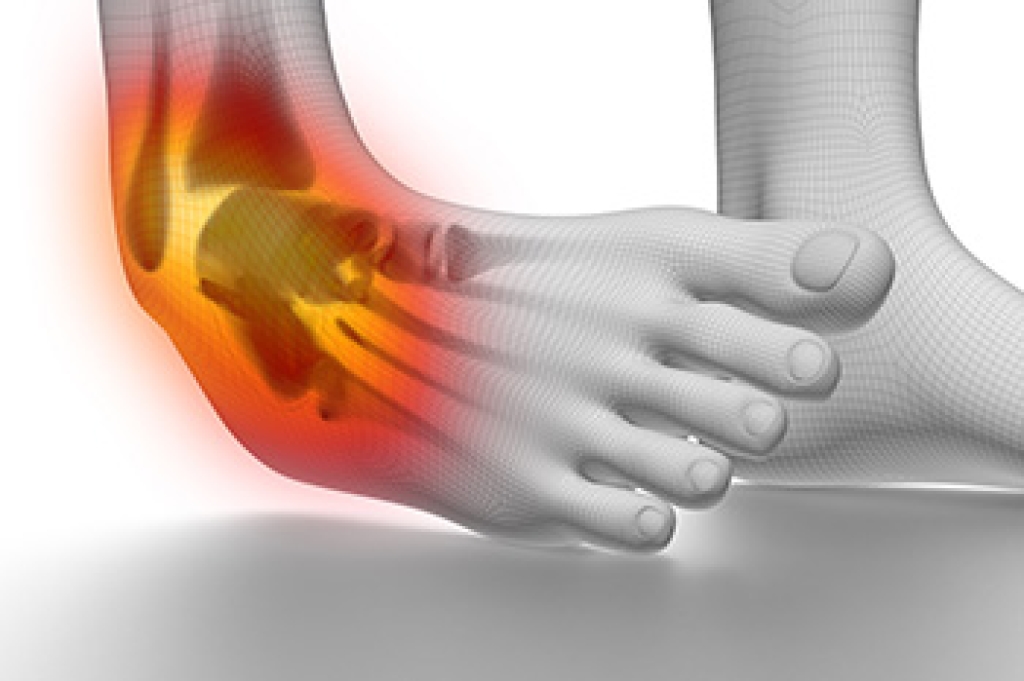
Ankle sprains occur when the ligaments that support the ankle are stretched or torn. This typically happens during sudden twisting movements, awkward landings, or uneven surfaces. While many ankle sprains heal with proper care, some cases may involve nerve damage, which can lead to more complex symptoms. Understanding the definition and causes of ankle sprains, along with the potential for nerve involvement, is important for early recognition and effective treatment.

Symptoms of a typical ankle sprain include pain, swelling, bruising, and limited movement. However, when nerve damage is present, additional signs may appear. These include radiating pain that travels beyond the ankle, altered skin sensation such as tingling or numbness, and unusual sensitivity to touch. In more severe cases, individuals may experience foot drop, which makes it difficult to lift the front part of the foot. Loss of muscle size can also occur if nerve signals are disrupted. These symptoms require careful attention, as they may indicate a more serious condition.


Risk factors for ankle sprains include participation in sports, walking on uneven terrain, and wearing improper footwear. Repeated sprains can increase the likelihood of nerve irritation or damage. High-impact activities and poor balance may also contribute to injury. When the ankle is unstable, nearby nerves may become compressed or stretched, leading to ongoing symptoms. Recognizing these risk factors can help individuals take preventive measures and reduce the chance of complications.


Proper care and early evaluation are essential for managing ankle injuries and preventing long-term effects. Rest, support, and gradual rehabilitation can help restore strength and stability. If signs of nerve damage are present, specialized treatment may be needed to protect function and mobility. If you suspect nerve damage from an ankle sprain, it is suggested that you consult a podiatrist for an accurate diagnosis and appropriate treatment.

Ankle sprains are common but need immediate attention. If you need your feet checked, contact Emmanuel Bustos, DPM from New York. Our doctor can provide the care you need to keep you pain-free and on your feet.

How Does an Ankle Sprain Occur?

Ankle sprains take place when the ligaments in your ankle are torn or stretched beyond their limits. There are multiple ways that the ankle can become injured, including twisting or rolling over onto your ankle, putting undue stress on it, or causing trauma to the ankle itself.

What Are the Symptoms?

  • Mild to moderate bruising
  • Limited mobility
  • Swelling
  • Discoloration of the skin (depending on severity)

Preventing a Sprain

  • Wearing appropriate shoes for the occasion
  • Stretching before exercises and sports
  • Knowing your limits

Treatment of a Sprain

Treatment of a sprain depends on the severity.  Many times, people are told to rest and remain off their feet completely, while others are given an air cast. If the sprain is very severe, surgery may be required.

If you have suffered an ankle sprain previously, you may want to consider additional support such as a brace and regular exercises to strengthen the ankle.

If you have any questions please feel free to contact our office located in the Upper West Side and New York City, NY . We offer the newest diagnostic tools and technology to treat your foot and ankle needs.

Read more about Three Grades of Ankle Sprains

Recognizing the Warning Signs of a Broken Ankle

A broken ankle occurs when one or more bones around the ankle joint crack or break. An ankle can break after a fall, a sudden twist, or a forceful impact. The outer ankle bone, called the lateral malleolus, is the area most frequently affected. Symptoms include immediate pain, swelling, and bruising. Patients may also notice tenderness or difficulty placing weight on the injured foot. Numbness, cool skin, or a visible change in the ankle’s shape can signal a serious injury. In severe cases, a broken bone can push through the skin and require urgent medical attention.

Ankle fractures are described as stable or unstable. With a stable fracture, the broken pieces remain in their proper positions. Many breaks involving only the outer ankle are stable and do not require surgery. In an unstable fracture, the bone pieces shift and can disturb the joint’s normal alignment. A podiatrist examines the ankle and checks the foot for changes in sensation, temperature, and blood flow. X-rays reveal where the bone broke and whether the pieces have moved. Additional imaging can provide a closer view of a complicated break. It can also show any damage to the ligaments and tendons that support the ankle.

Treatment is based on the break’s location, alignment, and severity. A podiatrist can place a stable fracture in a cast or walking boot to protect the injured area. The podiatrist also gives clear instructions about when the patient can safely place weight on the foot. Follow-up X-rays track healing and confirm that the bones remain properly aligned. An unstable or open fracture can require surgery to restore alignment and secure the damaged bones. Regular examinations help identify poor healing, continued swelling, or joint changes that could cause arthritis. A podiatrist can also guide a safe return to work, exercise, and other daily activities. If you have broken your ankle, it is suggested that you schedule an appointment with a podiatrist for an accurate diagnosis and appropriate treatment.

Broken ankles need immediate treatment. If you are seeking treatment, contact Emmanuel Bustos, DPM from New York. Our doctor can provide the care you need to keep you pain-free and on your feet. 

Broken Ankles
A broken ankle is experienced when a person fractures their tibia or fibula in the lower leg and ankle area. Both of these bones are attached at the bottom of the leg and combine to form what we know to be our ankle.

When a physician is referring to a break of the ankle, he or she is usually referring to a break in the area where the tibia and fibula are joined to create our ankle joint. Ankles are more prone to fractures because the ankle is an area that suffers a lot of pressure and stress. There are some obvious signs when a person experiences a fractured ankle, and the following symptoms may be present.

Symptoms of a Fractured Ankle

  • Excessive pain when the area is touched or when any pressure is placed on the ankle
  • Swelling around the area
  • Bruising of the area
  • Area appears to be deformed

If you suspect an ankle fracture, it is recommended to seek treatment as soon as possible. The sooner you have your podiatrist diagnose the fracture, the quicker you’ll be on the way towards recovery.

If you have any questions, please feel free to contact our office located in the Upper West Side and New York City, NY . We offer the newest diagnostic and treatment technologies for all your foot care needs.

Read more about All About Broken Ankles

Facts About Swollen Feet During Pregnancy

Pregnancy brings many changes to the body, and swelling in the feet and ankles is one that many expectant mothers notice as their pregnancy progresses. Extra fluid naturally builds up in the body, and the growing uterus places pressure on blood flow in the legs. This allows fluid to collect around the ankles and feet. Swelling usually becomes more noticeable later in pregnancy and toward the end of the day. Gradual swelling is usually not harmful to the mother or baby, although it can feel uncomfortable and make walking more difficult. A sudden increase in swelling, especially with a severe headache, vision changes, or pain below the ribs, needs immediate medical attention. This can signal pre-eclampsia, a serious pregnancy-related condition requiring prompt evaluation.

A podiatrist examines swollen feet to confirm that pregnancy-related changes are the cause and to rule out other foot or ankle problems. The evaluation includes checking circulation, skin health, and joint movement. It also includes examining areas of tenderness. A podiatrist looks for changes in foot shape and discusses whether shoes that lack proper support contribute to discomfort. Custom orthotics, which are specially made shoe inserts, can improve foot support when needed. Padding and shoe recommendations can reduce pressure on sensitive areas. A podiatrist also explains safe ways to stay comfortable while protecting foot health throughout pregnancy.

Ignoring persistent swelling or foot pain can make daily activities more difficult and reduce comfort throughout pregnancy. Prompt evaluation helps identify concerns before they become more serious and provides guidance that matches your needs. Early care also supports healthy movement and helps reduce strain on the feet and ankles as the pregnancy continues. Regular evaluations also reassure patients by tracking changes and answering questions while supporting comfortable mobility. If you have discomfort from swollen feet while pregnant, it is suggested that you schedule an appointment with a podiatrist for effective relief and management tips. 

Pregnant women with swollen feet can be treated with a variety of different methods that are readily available. For more information about other cures for swollen feet during pregnancy, consult with Emmanuel Bustos, DPM from New York. Our doctor will attend to all of your foot and ankle needs.

What Foot Problems Can Arise During Pregnancy?

One problem that can occur is overpronation, which occurs when the arch of the foot flattens and tends to roll inward.  This can cause pain and discomfort in your heels while you’re walking or even just standing up, trying to support your baby.  

Another problem is edema, or swelling in the extremities. This often affects the feet during pregnancy but tends to occur in the later stages. 

How Can I Keep My Feet Healthy During Pregnancy?

  • Wearing orthotics can provide extra support for the feet and help distribute weight evenly
  • Minimize the amount of time spent walking barefoot
  • Wear shoes with good arch support
  • Wear shoes that allow for good circulation to the feet
  • Elevate feet if you experience swelling
  • Massage your feet
  • Get regular, light exercise, such as walking, to promote blood circulation to the feet

If you have any questions, please feel free to contact our office located in the Upper West Side and New York City, NY . We offer the newest diagnostic and treatment technologies for all your foot care needs.

Read more about Foot Care for Pregnant Women

Connect With Us

Advanced Podiatric Procedures & Services in the  New York City NY, Manhattan NY, Brooklyn NY, Queens NY, Bronx NY, Staten Island NY, Jamaica NY, Plainview NY, Long Island NY, Fair Lawn NJ, Prospect Park NJ, Paterson NJ, Garfield NJ, Maywood NJ, Glen Rock NJ, Ridgewood NJ areas