Hammertoes Causes, Risks, Prevention and Treatment
 Hammertoes can be identified by an abnormal bend in the middle joint of the toe. This abnormal bending can lead to added pressure on the toe when wearing shoes. It can also cause pain or discomfort when walking or running. Because hammertoes typically worsen overtime and become increasingly more rigid, it’s recommended that you seek the help of a podiatrist for treatment options if you believe you’re experiencing the symptoms of this deformity.
Those experiencing hammertoe may also find other foot related issues that come with this condition, such as corns or calluses. Some factors that may influence your likelihood of getting hammertoe include old age, toe length, improper footwear, and genetics. Those who have diabetes or arthritis are also more likely to have foot related complications, including hammertoe.
There are risk factors that may make you more likely to develop this condition. Women are more likely to have the condition compared to men. Hammertoe is also more likely to appear in those who are older in age.
To help better prevent yourself from getting hammertoe, it’s recommended that you avoid wearing shoes that limit the room for your toes. Footwear with low heels, as well as adjustable straps or laces, can be useful when it comes to providing your feet with ample room to move. Buying shoes that fit are also important, which is why we recommend shopping at the end of the day when your feet are at their largest. This helps you avoid choosing a shoe too small for your feet.
Orthotics, as well as medical pads for corns and calluses that may develop due to your hammertoe, are recommended to help relieve discomfort. Light toe exercises may also be helpful for strengthening the muscles and mobility of your toes.
Hammertoes Diagnosis
To diagnose someone with hammertoe, your podiatrist will need to conduct a thorough examination of your foot. Your doctor may even order an x-ray to evaluate the bones and joints of your feet and toes.
For a proper diagnosis and recommended treatment plan, we suggest you consult with a podiatrist for professional help and care.
Minimally Invasive Surgery
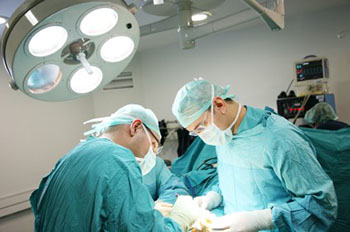
Minimally invasive surgery can mean smaller incisional approaches or endoscopic procedures. Using minimally invasive techniques and surgeries provide our patients with many benefits over traditional treatments and surgeries. These benefits typically include:
- Significantly less pain over traditional surgery
- Quicker recovery time
- Faster return to work and normal activities
- Less damage to tissue
- Less scarring
- Outpatient surgery
Endoscopic Decompression of Intermetatarsal Nerve (EDIN) is an endoscopic technique used for Morton’s neuroma treatment. During this technique, two small incisions are made on the foot, one to isolate the ligament and the other for visualization of the ligament via the use of a scope. Once properly visualized, the ligament is cut and this releases the entrapped nerve. This procedure is done in an outpatient setting. Patients are allowed to fully bear weight immediately after surgery as tolerated and return to comfortable shoes the next day. This minimally invasive foot surgery technique allows for faster recovery when compared to the open technique.
Endoscopic Plantar Fasciotomy (EPF) is a minimally invasive, endoscopic technique used to release extreme tension of the plantar fascia. An endoscope provides clear visualization of the inferior surface of the plantar fascia, allowing the surgeon to release tension in the medial band. Following the procedure, a sterile dressing is worn for approximately 3-5 days, then the patient is generally allowed to wear comfortable shoes as tolerated.
Endoscopic Gastrocnemius Recession (EGR) is a minimally invasive technique designed for gastrocnemius equinus treatment. Equinus is a limitation of ankle joint motion. The bi-portal approach, using a scope which provides clear visualization for safe division of the fascia of the gastrocnemius (calf) muscle. The sheath of the scope protects the sural nerve from injury. Once adequate release is attained, all equipment is removed. The skin is closed with sutures. Post-operative management is dependent upon other procedures performed in conjunction with the EGR technique.
Endoscopic Tarsal Tunnel Decompression (ETTD) is a minimally invasive foot surgery technique used to relieve the pressure exerted on the compressed or pinched posterior tibial nerve that runs through the tarsal (Latin term meaning ankle) tunnel on the inner side of the ankle and into the foot. Anything that takes up space in or compresses the tarsal tunnel will put pressure on the nerve and cause numbness, inflammation and pain. This procedure is performed via a small incision determined by anatomic points and geometric lines. The surgery is less traumatic to the patient than an open technique.
Ultrasound guided partial plantar fasciectomy (USGPPF) is a minimally invasive foot surgery technique that uses a high-resolution diagnostic ultrasound to accurately locate and remove the diseased tissue in the plantar fascia and then replace it with growth factors harvested from the patient’s blood. This procedure occurs through a small, needle-like device while the patient is under general anesthesia for a short amount of time. The patient is encouraged to limit the amount of standing or walking for a few days following the procedure. Regular activity is generally resumed within a few days to weeks.
Subtalar Joint Arthroereisis is a minimally invasive flat foot surgery. It is a less aggressive option used to treat a mild or pediatric flatfoot. The implant blocks excessive pronation of the subtalar joint. A small incision is made over the lateral foot, and then a small implant is inserted into the sinus tarsi, a small canal that goes up to the ankle below the talus bone. Minimal dissection allows for a quicker recovery period and a shorter immobilization time when compared to full reconstructive methods.
