
Mechanical Foot Pain and How It Is Managed

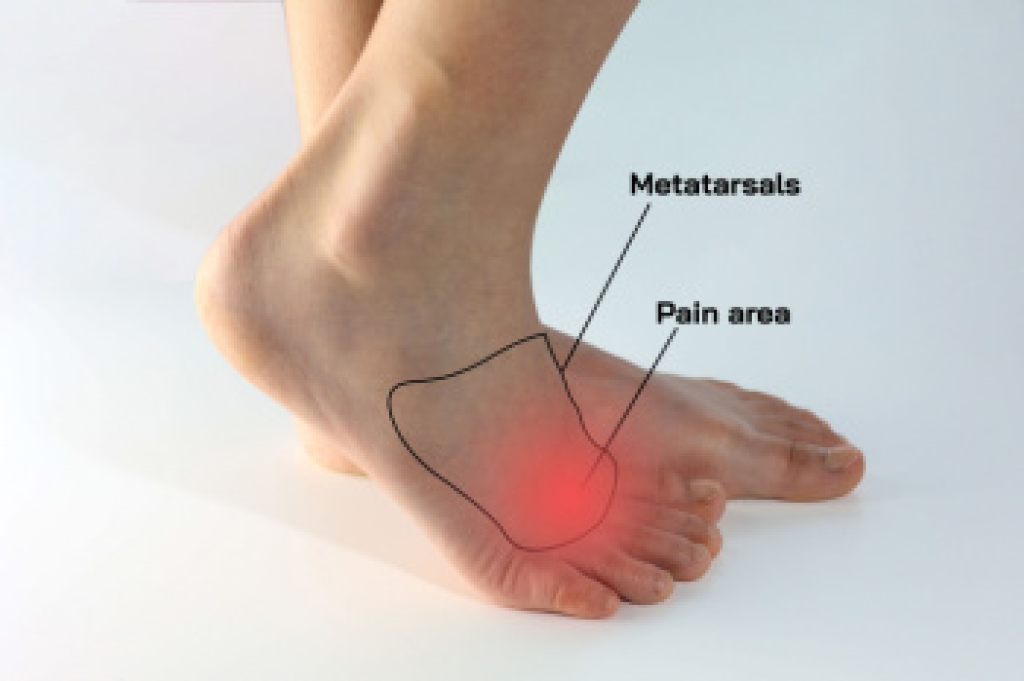
Mechanical foot pain develops when the structures of the foot are placed under repeated stress or load. This type of pain often comes from how the foot moves, bears weight, or absorbs impact. Common causes include overuse, wearing poor footwear, loss of arch support, uneven pressure during walking, and muscle or tendon imbalance. Flat feet or high arches can also increase strain on certain areas, leading to soreness or sharp pain with activity. Symptoms often worsen with standing or walking, and improve with rest. Management focuses on reducing stress and improving function. Supportive shoes, custom orthotics, stretching, and activity modification can help relieve symptoms and prevent recurrence. Early attention to discomfort can stop small issues from becoming chronic problems. If foot pain continues despite basic care, it is suggested that you see a podiatrist for evaluation and personalized treatment.

Foot Pain

Foot pain can be extremely painful and debilitating. If you have a foot pain, consult with Emmanuel Bustos, DPM from New York. Our doctor will assess your condition and provide you with quality foot and ankle treatment.

Causes

Foot pain is a very broad condition that could be caused by one or more ailments. The most common include:

  • Bunions
  • Hammertoes
  • Plantar Fasciitis
  • Bone Spurs
  • Corns
  • Tarsal Tunnel Syndrome
  • Ingrown Toenails
  • Arthritis (such as Gout, Rheumatoid, and Osteoarthritis)
  • Flat Feet
  • Injury (from stress fractures, broken toe, foot, ankle, Achilles tendon ruptures, and sprains)
  • And more

Diagnosis

To figure out the cause of foot pain, podiatrists utilize several different methods. This can range from simple visual inspections and sensation tests to X-rays and MRI scans. Prior medical history, family medical history, and any recent physical traumatic events will all be taken into consideration for a proper diagnosis.

Treatment

Treatment depends upon the cause of the foot pain. Whether it is resting, staying off the foot, or having surgery; podiatrists have a number of treatment options available for foot pain.

If you have any questions, please feel free to contact our office located in the Upper West Side, NY . We offer the newest diagnostic and treatment technologies for all your foot care needs.

Read more about Foot Pain

When a Simple Misstep Leads to an Ankle Sprain

An ankle sprain occurs when the ligaments that support the ankle are stretched or torn, often after a sudden twist, roll, or awkward landing. This injury is common in athletes but can happen to anyone walking on uneven ground or wearing unstable footwear. The ankle may swell quickly and appear bruised or puffy around the joint. Pain can range from mild soreness to sharp discomfort that makes it difficult to bear weight. Symptoms include instability, weakness, or a sense that the ankle could give way. Without proper care, repeated sprains can lead to chronic weakness and long-term joint problems. A podiatrist begins with a detailed examination and may use imaging to assess the extent of ligament damage. Treatment includes bracing, compression, anti-inflammatory care, and targeted exercises to restore strength and balance. If you have an ankle sprain, it is suggested that you make an appointment with a podiatrist.

Although ankle sprains are common, they aren’t always minor injuries. If you need your ankle injury looked at, contact Emmanuel Bustos, DPM from New York. Our doctor can provide the care you need to keep you pain-free and on your feet.

How Does an Ankle Sprain Occur?

Ankle sprains are the result of a tear in the ligaments within the ankle. These injuries may happen when you make a rapid shifting movement while your foot is planted. A less common way to sprain your ankle is when your ankle rolls inward while your foot turns outward.

What Are the Symptoms?

  • Pain at the sight of the tear
  • Bruising/Swelling
  • Ankle area is tender to touch
  • In severe cases, may hear/feel something tear
  • Skin discoloration

Preventing a Sprain

  • Wearing appropriate shoes for the occasion
  • Stretching before exercises and sports
  • Knowing your limits

Treatment of a Sprain

In many cases, the RICE method (Rest, Ice, Compression, and Elevate) is used to treat ankle sprains. However, you should see a podiatrist to see which treatment option would work best with your injury. In severe cases, surgery may be required.

It is important to ask your doctor about rehab options after you receive treatment for your injury. Stretching, strength training, and balance exercises may help the ankle heal while also preventing further injury.

If you have any questions, please feel free to contact our office located in the Upper West Side, NY . We offer the newest diagnostic and treatment technologies for all your foot care needs.

Read more about Ankle Sprains

Why Ingrown Toenail Surgery May Be Necessary for Lasting Relief

An ingrown toenail occurs when the edge of the nail grows into the surrounding skin, causing pain, redness, swelling, and sometimes infection. This condition most often affects the big toe and can worsen, if left untreated. When conservative care does not resolve the problem or when infection continues to return, ingrown toenail surgery may be necessary. The procedure involves carefully removing the portion of the nail that is causing irritation, and, in some cases, treating the nail root to prevent recurrence. A podiatrist performs this procedure safely and comfortably in an office setting while guiding proper healing. If you have persistent toe pain or infection from an ingrown toenail, it is suggested that you promptly consult a podiatrist who can determine if this type of surgery needs to be performed.

Foot surgery is sometimes necessary to treat a foot ailment. To learn more, contact Emmanuel Bustos, DPM of New York. Our doctor will assist you with all of your foot and ankle needs.

When Is Surgery Necessary?

Foot and ankle surgery is generally reserved for cases in which less invasive, conservative procedures have failed to alleviate the problem. Some of the cases in which surgery may be necessary include:

  • Removing foot deformities like bunions and bone spurs
  • Severe arthritis that has caused bone issues
  • Cosmetic reconstruction

What Types of Surgery Are There?

The type of surgery you receive will depend on the nature of the problem you have. Some of the possible surgeries include:

  • Bunionectomy for painful bunions
  • Surgical fusion for realignment of bones
  • Neuropathy decompression surgery to treat nerve damage

Benefits of Surgery

Although surgery is usually a last resort, it can provide more complete pain relief compared to non-surgical methods and may allow you to finally resume full activity.

Surgical techniques have also become increasingly sophisticated. Techniques like endoscopic surgery allow for smaller incisions and faster recovery times.

If you have any questions, please feel free to contact our office located in the Upper West Side, NY . We offer the newest diagnostic and treatment technologies for all your foot care needs.

Read more about Foot and Ankle Surgery

When Heel Cracks Start to Hurt and Why It Matters

Cracked heels often begin as dry, thickened skin, but pain can develop once the surface splits under pressure. Every step places force on the heel, causing the skin to pull apart and expose sensitive tissue below. This can lead to burning, sharp discomfort, or bleeding. Standing for long periods of time, wearing unsupportive shoes, excess body weight, and reduced skin moisture all contribute to deeper fissures. Certain medical conditions, including diabetes or poor circulation, increase the risk that cracks may worsen or become infected. Warning signs include redness, swelling, drainage, or cracks that do not improve with basic care. While some heel cracks are mild, others can interfere with walking and overall foot health. If heel fissures are painful, deep, or slow to heal, it is suggested that you see a podiatrist for an evaluation and appropriate treatment.

Cracked heels are unsightly and can cause further damage to your shoes and feet. If you have any concerns, contact Emmanuel Bustos, DPM from New York. Our doctor can provide the care you need to keep you pain-free and on your feet.

Cracked Heels

Cracked heels appear unappealing and can make it harder for you walk around in sandals. Aside from looking unpleasant, cracked heels can also tear stockings, socks, and wear out your shoes. There are several methods to help restore a cracked heel and prevent further damage.

How Do You Get Them?

Dry skin is the number one culprit in creating cracked heels. Many athletes, walkers, joggers, and even swimmers suffer from cracked heels. Age and skin oil production play a role to getting cracked heels as well.

Promote Healing

Over the counter medicines can help, especially for those that need instant relief or who suffer from chronic dry feet.

Wear Socks – Wearing socks with medicated creams helps lock in moisture.

Moisturizers – Applying both day and night will help alleviate dryness which causes cracking.

Pumice Stones – These exfoliate and remove dead skin, which allows for smoother moisturizer application and better absorption into the skin. 

Change in Diet

Eating healthy with a well-balanced diet will give the skin a fresh and radiant look. Your body responds to the kinds of food you ingest. Omega-3 fatty acids and zinc supplements can also revitalize skin tissue.

Most importantly, seek professional help if unsure how to proceed in treating cracked heels. A podiatrist will help you with any questions or information needed. 

If you have any questions, please feel free to contact our office located in the Upper West Side, NY . We offer the newest diagnostic and treatment technologies for all your foot care needs.
Read more about Solutions for Cracked Heels

Connect With Us