Joint Soreness in the Feet With Rheumatoid Arthritis

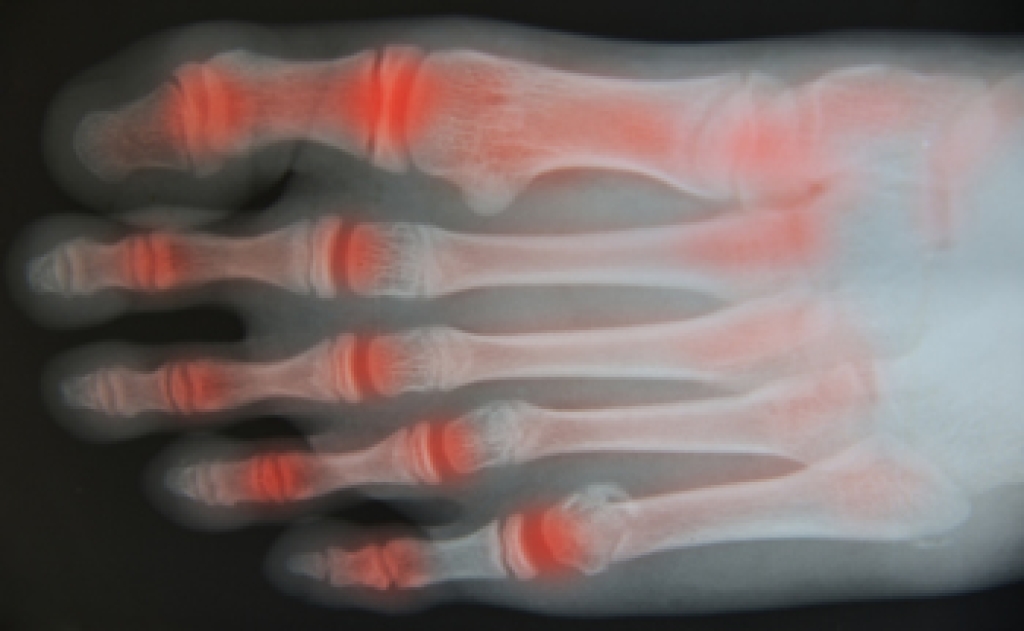
Having sore feet is common with the foot condition that is known as rheumatoid arthritis. It can happen to any joint in the body, and walking can become difficult when it affects the feet. It is considered to be a disease, and it causes the membranes and joints to become swollen and inflamed. Research has shown that approximately 90 percent of people with this condition have foot pain, and the symptoms can include tenderness, stiffness, and the joints may feel warm when touched. If the ankle joints are affected, early detection can consist of having difficulty in walking up or down steps, or inclines, such as hills or ramps. Mild relief may be found when stretches are performed that can help to increase flexibility. Practicing a gentle yoga routine may help to achieve this goal. If you have rheumatoid arthritis, it is suggested that you contact a podiatrist who can monitor your feet and offer you additional relief options.

Because RA affects more than just your joints, including the joints in your feet and ankles, it is important to seek early diagnosis from your podiatrist if you feel like the pain in your feet might be caused by RA. For more information, contact Emmanuel Bustos, DPM of New York. Our doctor will assist you with all of your podiatric concerns.

What Is Rheumatoid Arthritis?

Rheumatoid Arthritis (RA) is an autoimmune disorder in which the body’s own immune system attacks the membranes surrounding the joints. Inflammation of the lining and eventually the destruction of the joint’s cartilage and bone occur, causing severe pain and immobility.

Rheumatoid Arthritis of the Feet

Although RA usually attacks multiple bones and joints throughout the entire body, almost 90 percent of cases result in pain in the foot or ankle area.

Symptoms

  • Swelling and pain in the feet
  • Stiffness in the feet
  • Pain on the ball or sole of feet
  • Joint shift and deformation

Diagnosis

Quick diagnosis of RA in the feet is important so that the podiatrist can treat the area effectively. Your doctor will ask you about your medical history, occupation, and lifestyle to determine the origin of the condition. Rheumatoid Factor tests help to determine if someone is affected by the disease.

If you have any questions, please feel free to contact our office located in the Upper West Side, NY . We offer the newest diagnostic and treatment technologies for all your foot care needs.
Read more about Rheumatoid Arthritis in the Feet

Diabetes May Cause Nerve Damage in the Feet

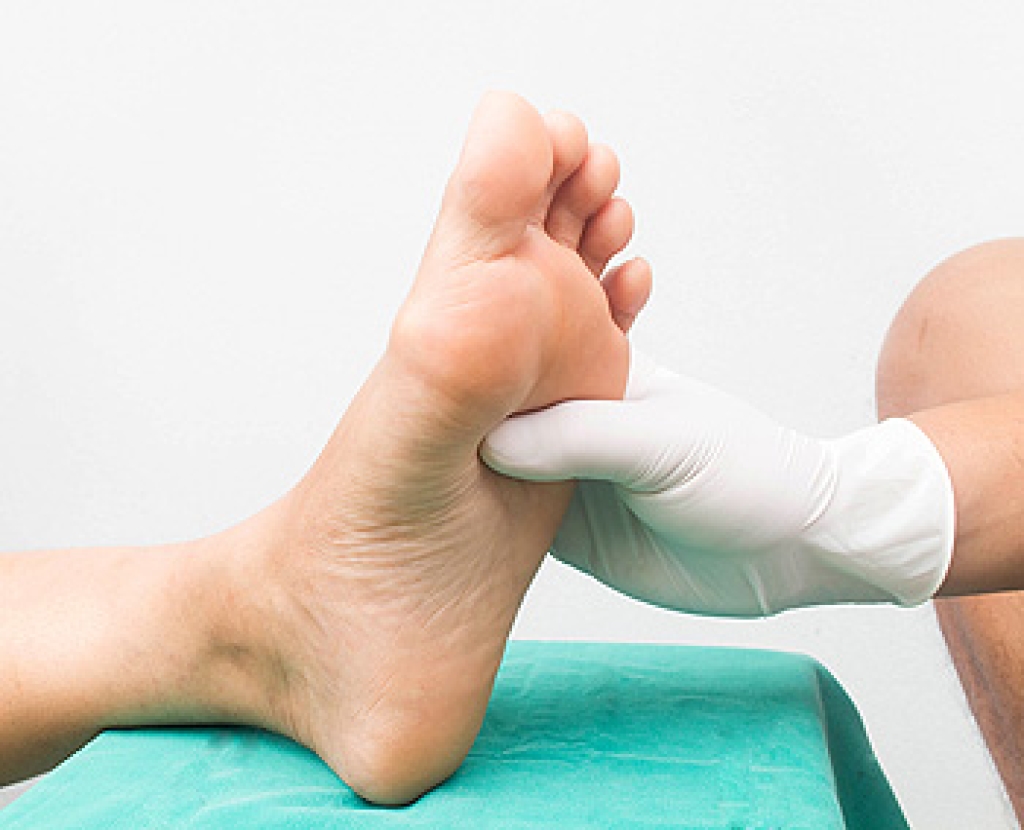
Most people associate diabetes with a blood sugar and insulin imbalance, and that is certainly true. But diabetes can also affect the nervous system, causing a secondary condition termed neuropathy. This is nerve damage that restricts the ability of the peripheral nervous system to send accurate messages to the extremities. The effects of neuropathy in diabetics are commonly experienced in the feet. Symptoms often include a feeling of pins and needles in the feet or toes, pain that is felt especially at night, and numbness. The result of this nerve damage can be the cause of even more complications, such as foot infections and ulcers. A common warning sign is wounds that do not seem to heal. If these are not attended to promptly, they can cause infections and turn into gangrene. Checking the feet daily is paramount in preventing further damage. If you have diabetes, it is a good idea to have regular checkups with a podiatrist who is trained to deal with the effects of diabetes on the feet. 

Diabetic foot care is important in preventing foot ailments such as ulcers. If you are suffering from diabetes or have any other concerns about your feet, contact Emmanuel Bustos, DPM from New York. Our doctor can provide the care you need to keep you pain-free and on your feet.

Diabetic Foot Care

Diabetes affects millions of people every year. The condition can damage blood vessels in many parts of the body, especially the feet. Because of this, taking care of your feet is essential if you have diabetes, and having a podiatrist help monitor your foot health is highly recommended.

The Importance of Caring for Your Feet

  • Routinely inspect your feet for bruises or sores.
  • Wear socks that fit your feet comfortably.
  • Wear comfortable shoes that provide adequate support.

Patients with diabetes should have their doctor monitor their blood levels, as blood sugar levels play such a huge role in diabetic care. Monitoring these levels on a regular basis is highly advised.

It is always best to inform your healthcare professional of any concerns you may have regarding your feet, especially for diabetic patients. Early treatment and routine foot examinations are keys to maintaining proper health, especially because severe complications can arise if proper treatment is not applied.

If you have any questions, please feel free to contact our office located in the Upper West Side, NY . We offer the newest diagnostic and treatment technologies for all your foot care needs.
Read more about How to Care for Diabetic Foot

Several Reasons for an Achilles Tendon Injury

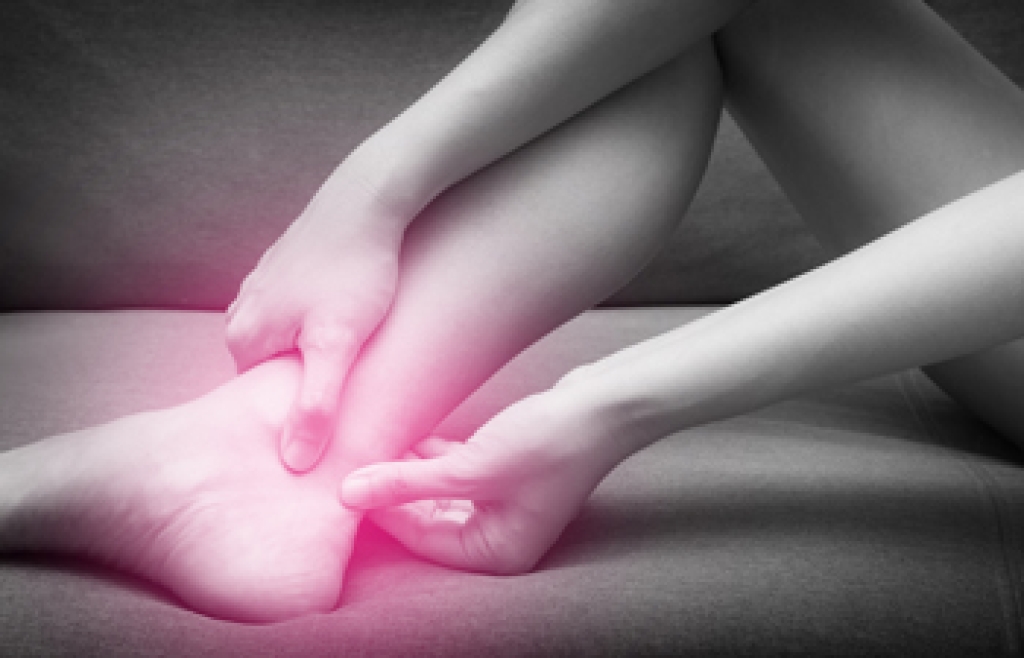
The Achilles tendon is located in the calf, and when injured, it can become extremely painful. This tendon connects the heel to the calf muscles and is the largest tendon in the body. An injury to this tendon can make it difficult, if not impossible, to walk, and prompt medical attention is often sought. An Achilles tendon injury can occur from gradual overuse, and it may be common in people who increase speed and distance too quickly while running. The symptoms that many people experience with this type of injury can include pain at the back of the heel, and the affected area may be warm and tender. There may be additional reasons why this condition may happen. These can consist of being overweight, wearing shoes that do not fit properly, or possibly having flat feet. If you have pain in this part of your foot, it is strongly urged that you are under the care of a podiatrist who can perform a diagnosis, and offer correct treatment options.

Achilles tendon injuries need immediate attention to avoid future complications. If you have any concerns, contact Emmanuel Bustos, DPM of New York. Our doctor can provide the care you need to keep you pain-free and on your feet.

What Is the Achilles Tendon?

The Achilles tendon is a tendon that connects the lower leg muscles and calf to the heel of the foot. It is the strongest tendon in the human body and is essential for making movement possible. Because this tendon is such an integral part of the body, any injuries to it can create immense difficulties and should immediately be presented to a doctor.

What Are the Symptoms of an Achilles Tendon Injury?

There are various types of injuries that can affect the Achilles tendon. The two most common injuries are Achilles tendinitis and ruptures of the tendon.

Achilles Tendinitis Symptoms

  • Inflammation
  • Dull to severe pain
  • Increased blood flow to the tendon
  • Thickening of the tendon

Rupture Symptoms

  • Extreme pain and swelling in the foot
  • Total immobility

Treatment and Prevention

Achilles tendon injuries are diagnosed by a thorough physical evaluation, which can include an MRI. Treatment involves rest, physical therapy, and in some cases, surgery. However, various preventative measures can be taken to avoid these injuries, such as:

  • Thorough stretching of the tendon before and after exercise
  • Strengthening exercises like calf raises, squats, leg curls, leg extensions, leg raises, lunges, and leg presses

If you have any questions please feel free to contact our office located in the Upper West Side, NY . We offer the newest diagnostic tools and technology to treat your foot and ankle needs.

Read more about The Causes, Types, and Treatments of Achilles Tendon Injuries

Foot Ulcers Can Be Serious

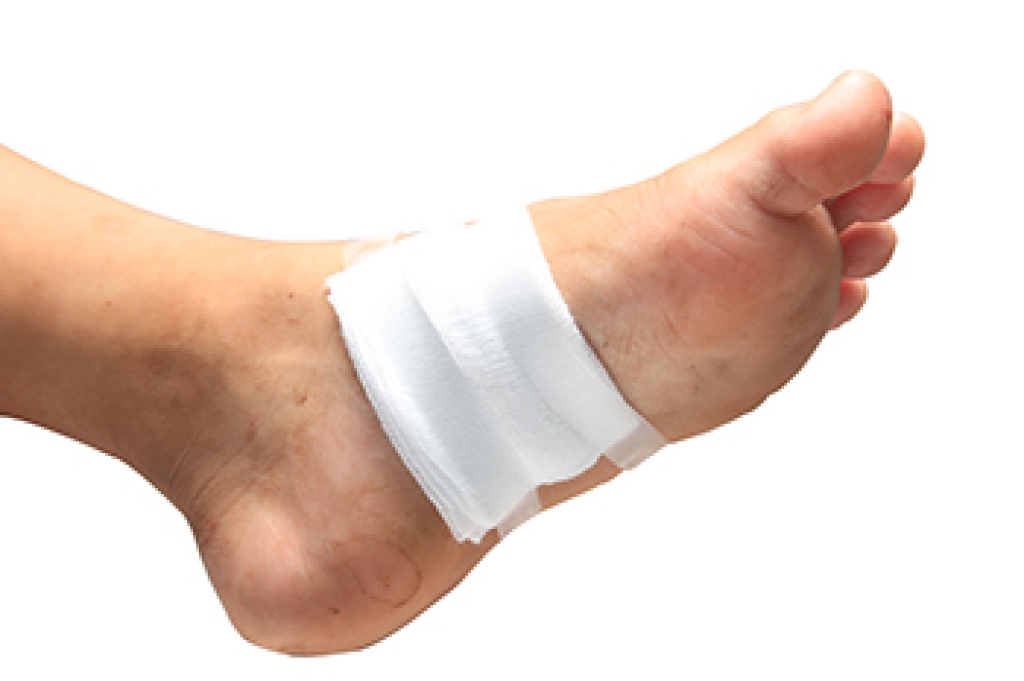
Peripheral neuropathy can cause a lack of feeling in the feet. One who has this condition may have serious changes in their bodies and foot ailments, like foot ulcers, that they are not aware of. A foot ulcer can come from things like cuts sustained from stepping on sharp objects or not tending to a blister from ill-fitting shoes. Causes of peripheral neuropathy can include having diabetes. Having uncontrolled high blood sugar levels can cause damage to blood vessels and lead to restriction of the blood supply to the feet. This, in turn, means the feet receive a lower number of infection-fighting cells and wounds can take longer to heal, sometimes even resulting in gangrene and the need for amputation. If you develop foot ulcers, and particularly if you are diabetic, it is highly suggested to be under the care of a podiatrist and receive immediate and ongoing treatment. 

Wound care is an important part in dealing with diabetes. If you have diabetes and a foot wound or would like more information about wound care for diabetics, consult with Emmanuel Bustos, DPM from New York. Our doctor will assess your condition and provide you with quality foot and ankle treatment.

What Is Wound Care?

Wound care is the practice of taking proper care of a wound. This can range from the smallest to the largest of wounds. While everyone can benefit from proper wound care, it is much more important for diabetics. Diabetics often suffer from poor blood circulation which causes wounds to heal much slower than they would in a non-diabetic. 

What Is the Importance of Wound Care?

While it may not seem apparent with small ulcers on the foot, for diabetics, any size ulcer can become infected. Diabetics often also suffer from neuropathy, or nerve loss. This means they might not even feel when they have an ulcer on their foot. If the wound becomes severely infected, amputation may be necessary. Therefore, it is of the upmost importance to properly care for any and all foot wounds.

How to Care for Wounds

The best way to care for foot wounds is to prevent them. For diabetics, this means daily inspections of the feet for any signs of abnormalities or ulcers. It is also recommended to see a podiatrist several times a year for a foot inspection. If you do have an ulcer, run the wound under water to clear dirt from the wound; then apply antibiotic ointment to the wound and cover with a bandage. Bandages should be changed daily and keeping pressure off the wound is smart. It is advised to see a podiatrist, who can keep an eye on it.

If you have any questions please contact our office located in the Upper West Side, NY . We offer the newest diagnostic and treatment technologies for all your foot and ankle needs.

Read more about Wound Care

Wounds That Don't Heal Need to Be Checked

Your feet are covered most of the day. If you're diabetic, periodic screening is important for good health. Numbness is often a sign of diabetic foot and can mask a sore or wound.

Connect With Us