Why Walking in High Heels Can Be Challenging

High heels are undoubtedly stylish and add an elegant touch to any outfit, but there is no denying that walking in them can be a daunting task for many. Several things make it difficult to walk gracefully and comfortably in high heels. First, the angle of the foot in high heels forces the wearer to put most of their body weight on the balls of the feet. This shift in weight distribution can lead to instability, causing a precarious and unsteady gait. Second, the elevation of the heel shortens the Achilles tendon and calf muscles, making it challenging to take regular, longer strides. This altered biomechanics can cause discomfort and make walking feel unnatural. Additionally, the pressure and friction created by the narrow, pointed shape of high heels can lead to blisters, calluses, and foot pain. In essence, the difficulty of walking in high heels is not merely a matter of fashion; it is a matter of biomechanics and comfort. For many, it is a skill that requires practice and endurance. So, while high heels can make a powerful fashion statement, they also pose a challenge for those who dare to wear them. If you would like more information on how high heels can affect the feet and better alternatives to consider, it is suggested that you speak with a podiatrist. 

High heels have a history of causing foot and ankle problems. If you have any concerns about your feet or ankles, contact Emmanuel Bustos, DPM from New York. Our doctor can provide the care you need to keep you pain-free and on your feet.

Effects of High Heels on the Feet

High heels are popular shoes among women because of their many styles and societal appeal.  Despite this, high heels can still cause many health problems if worn too frequently.

Which Parts of My Body Will Be Affected by High Heels?

  • Ankle Joints
  • Achilles Tendon – May shorten and stiffen with prolonged wear
  • Balls of the Feet
  • Knees – Heels cause the knees to bend constantly, creating stress on them
  • Back – They decrease the spine’s ability to absorb shock, which may lead to back pain.  The vertebrae of the lower back may compress.

What Kinds of Foot Problems Can Develop from Wearing High Heels?

  • Corns
  • Calluses
  • Hammertoe
  • Bunions
  • Morton’s Neuroma
  • Plantar Fasciitis

How Can I Still Wear High Heels and Maintain Foot Health?

If you want to wear high heeled shoes, make sure that you are not wearing them every day, as this will help prevent long term physical problems.  Try wearing thicker heels as opposed to stilettos to distribute weight more evenly across the feet.  Always make sure you are wearing the proper shoes for the right occasion, such as sneakers for exercising.  If you walk to work, try carrying your heels with you and changing into them once you arrive at work.  Adding inserts to your heels can help cushion your feet and absorb shock. Full foot inserts or metatarsal pads are available. 

If you have any questions, please feel free to contact our office located in the Upper West Side, NY . We offer the newest diagnostic and treatment technologies for all your foot care needs.

Read more about Effect of High Heels on the Feet

Diabetic Foot Ulcers

The main cause of foot ulcers in diabetic patients is often minor injuries happening when they cannot feel their feet properly. This happens due to a condition called peripheral sensory neuropathy. In simpler terms, it means their nerves do not work well, making them less sensitive to pain or injuries. Along with this, deformities in the foot shape and occasional trauma can play a role in causing foot ulcers. Additional factors in foot ulcer formation include calluses, swelling, and problems with blood circulation to the lower legs and feet. Neuropathy seems to involve various chemical processes and high blood sugar levels. Controlling blood sugar is vital in preventing neuropathy and foot ulcers. If you have diabetes and are experiencing foot ulcers, it is strongly suggested that you visit a podiatrist for immediate care.

Wound care is an important part in dealing with diabetes. If you have diabetes and a foot wound or would like more information about wound care for diabetics, consult with Emmanuel Bustos, DPM from New York. Our doctor will assess your condition and provide you with quality foot and ankle treatment.

What Is Wound Care?

Wound care is the practice of taking proper care of a wound. This can range from the smallest to the largest of wounds. While everyone can benefit from proper wound care, it is much more important for diabetics. Diabetics often suffer from poor blood circulation which causes wounds to heal much slower than they would in a non-diabetic. 

What Is the Importance of Wound Care?

While it may not seem apparent with small ulcers on the foot, for diabetics, any size ulcer can become infected. Diabetics often also suffer from neuropathy, or nerve loss. This means they might not even feel when they have an ulcer on their foot. If the wound becomes severely infected, amputation may be necessary. Therefore, it is of the upmost importance to properly care for any and all foot wounds.

How to Care for Wounds

The best way to care for foot wounds is to prevent them. For diabetics, this means daily inspections of the feet for any signs of abnormalities or ulcers. It is also recommended to see a podiatrist several times a year for a foot inspection. If you do have an ulcer, run the wound under water to clear dirt from the wound; then apply antibiotic ointment to the wound and cover with a bandage. Bandages should be changed daily and keeping pressure off the wound is smart. It is advised to see a podiatrist, who can keep an eye on it.

If you have any questions please contact our office located in the Upper West Side, NY . We offer the newest diagnostic and treatment technologies for all your foot and ankle needs.

Read more about Wound Care

Are You Suffering From Nerve Damage?

Neuropathy is a condition that can lead to numbness or loss of sensation in the feet, but it can also cause pain. This condition is more likely to develop for those who are diabetic, obese, or with high blood pressure.

Indicators of Diabetic Foot Problems

Diabetic feet are prone to various problems due to the impact it can have on blood circulation and nerve function. It is essential for individuals with diabetes to be aware of these signs and symptoms to prevent complications. One common issue is neuropathy, which can lead to loss of sensation in the feet. This means you may not feel pain, heat, or cold as well as you should, and may experience tingling or numbness. Peripheral artery disease, or PAD, is another concern, reducing blood flow to the feet and resulting in cramping, pain, or slow healing sores. Diabetic ulcers are slow healing wounds that can develop due to nerve damage and poor circulation. It is helpful to be aware of any open sores or blisters on your feet. If you have diabetes and notice changes in your feet, it is strongly suggested that you schedule an appointment with a podiatrist to have a thorough examination and treatment that may help to avoid serious foot problems.

Diabetic foot care is important in preventing foot ailments such as ulcers. If you are suffering from diabetes or have any other concerns about your feet, contact Emmanuel Bustos, DPM from New York. Our doctor can provide the care you need to keep you pain-free and on your feet.

Diabetic Foot Care

Diabetes affects millions of people every year. The condition can damage blood vessels in many parts of the body, especially the feet. Because of this, taking care of your feet is essential if you have diabetes, and having a podiatrist help monitor your foot health is highly recommended.

The Importance of Caring for Your Feet

  • Routinely inspect your feet for bruises or sores.
  • Wear socks that fit your feet comfortably.
  • Wear comfortable shoes that provide adequate support.

Patients with diabetes should have their doctor monitor their blood levels, as blood sugar levels play such a huge role in diabetic care. Monitoring these levels on a regular basis is highly advised.

It is always best to inform your healthcare professional of any concerns you may have regarding your feet, especially for diabetic patients. Early treatment and routine foot examinations are keys to maintaining proper health, especially because severe complications can arise if proper treatment is not applied.

If you have any questions, please feel free to contact our office located in the Upper West Side, NY . We offer the newest diagnostic and treatment technologies for all your foot care needs.

Read more about Diabetic Foot Care

The Important Role of Foot Protection at Work

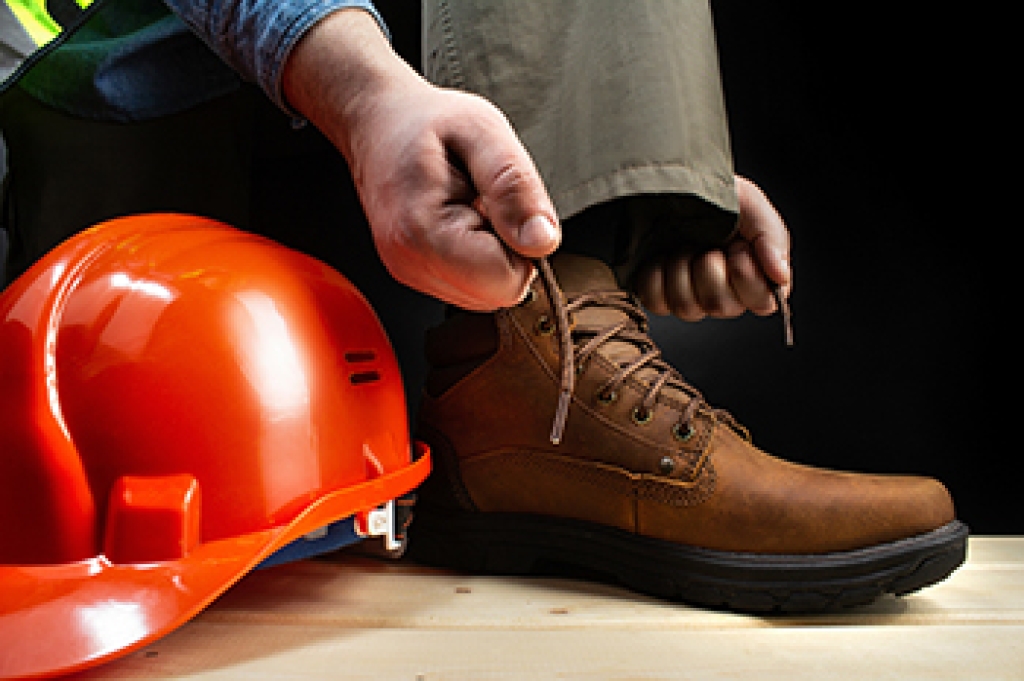
In the realm of occupational safety, the significance of foot protection while working cannot be overstated. Whether navigating construction sites, industrial settings, or healthcare environments, the feet are vulnerable to various hazards. Sturdy, well-designed work boots serve as the first line of defense against potential injuries. These boots are crafted to shield the feet from falling objects, electrical hazards, sharp objects, and chemical spills. In professions where standing for prolonged periods is common, the right footwear provides essential support, preventing fatigue and discomfort. Beyond physical protection, appropriate footwear promotes overall foot health by reducing the risk of conditions like plantar fasciitis and stress fractures. Recognizing the role of foot protection in the workplace emphasizes the need for employers and employees alike to prioritize the selection and maintenance of proper footwear. If you would like more information about specific foot protection during the workday, it is suggested that you speak to a podiatrist.

While working on the feet, it is important to take the proper care of them. For more information about working on your feet, contact Emmanuel Bustos, DPM from New York. Our doctor will treat your foot and ankle needs.

Working on Your Feet

Standing on your feet for long periods of time can cause stress and pain in your feet. Your whole body may experience change in terms of posture, back pain, bunions, callouses and or plantar warts. There are ways to avoid these conditions with proper foot care, smart choices and correct posture.

Positive Changes

Negative heeled shoe – Choosing this shoe type places the heel slightly lower than the ball of the foot. These are great for overall foot health. Find shoes that fit you correctly.

Go barefoot – Our feet were not designed to be enclosed for all hours of the day. Try to periodically expose your feet to air.

Eliminate Pain

Foot Exercises – Performing simple exercises, incorporating yoga and doing stretches are beneficial. This will allow increased blood flow to the area and muscles of the foot.

Achilles tendon – Stretching the foot out flat on the floor will relax the calf muscles and tendon. These exercises can be performed almost anywhere. Make sure you add these exercises to your daily regimen. 

With a little bit of this information and knowing more about foot health, you will notice changes. Foot stretches and proper footwear will help with pain and prevent further issues.

If you have any questions please contact our office located in the Upper West Side, NY . We offer the newest diagnostic and treatment technologies for all your foot and ankle needs.

Read more about Working on Your Feet

Connect With Us