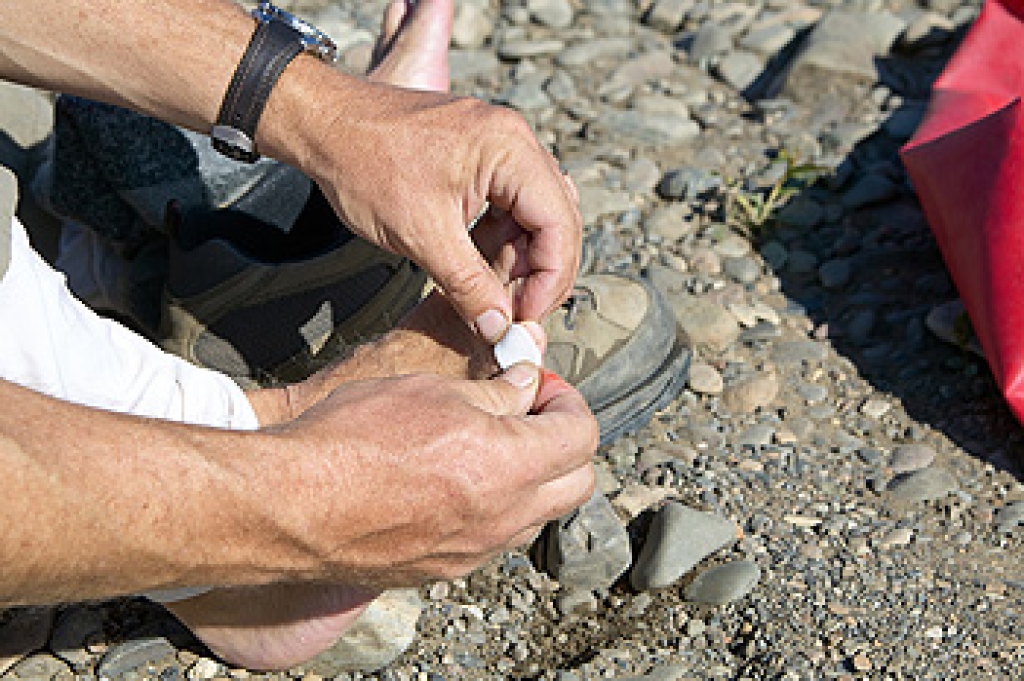
Topical Treatments for Diabetic Foot Wounds

Those with diabetes may find that their feet are more prone to dryness, itchiness, bruising, cuts, scrapes, and sores. These seemingly minor issues can be dangerous for diabetic feet. Even small wounds may heal slowly and poorly, becoming infected, or develop into diabetic foot ulcers (DFU's) over time. Topical medications are treatments that are applied directly to the skin to treat a skin problem. There are various topical medications that may be used to address skin conditions on diabetic feet. These include medications that moisturize the skin, protect the skin from irritants, reduce itchiness, decrease pain, disinfect wounds and aid wound healing. If you have DFU's or other skin problems on your feet a podiatrist can help to find the correct treatment for you. 

Wound care is an important part in dealing with diabetes. If you have diabetes and a foot wound or would like more information about wound care for diabetics, consult with Emmanuel Bustos, DPM from New York. Our doctor will assess your condition and provide you with quality foot and ankle treatment.

What Is Wound Care?

Wound care is the practice of taking proper care of a wound. This can range from the smallest to the largest of wounds. While everyone can benefit from proper wound care, it is much more important for diabetics. Diabetics often suffer from poor blood circulation which causes wounds to heal much slower than they would in a non-diabetic. 

What Is the Importance of Wound Care?

While it may not seem apparent with small ulcers on the foot, for diabetics, any size ulcer can become infected. Diabetics often also suffer from neuropathy, or nerve loss. This means they might not even feel when they have an ulcer on their foot. If the wound becomes severely infected, amputation may be necessary. Therefore, it is of the upmost importance to properly care for any and all foot wounds.

How to Care for Wounds

The best way to care for foot wounds is to prevent them. For diabetics, this means daily inspections of the feet for any signs of abnormalities or ulcers. It is also recommended to see a podiatrist several times a year for a foot inspection. If you do have an ulcer, run the wound under water to clear dirt from the wound; then apply antibiotic ointment to the wound and cover with a bandage. Bandages should be changed daily and keeping pressure off the wound is smart. It is advised to see a podiatrist, who can keep an eye on it.

If you have any questions please contact our office located in the Upper West Side, NY . We offer the newest diagnostic and treatment technologies for all your foot and ankle needs.

Read more about Wound Care

Simple Exercise for Rheumatoid Arthritis Foot Pain

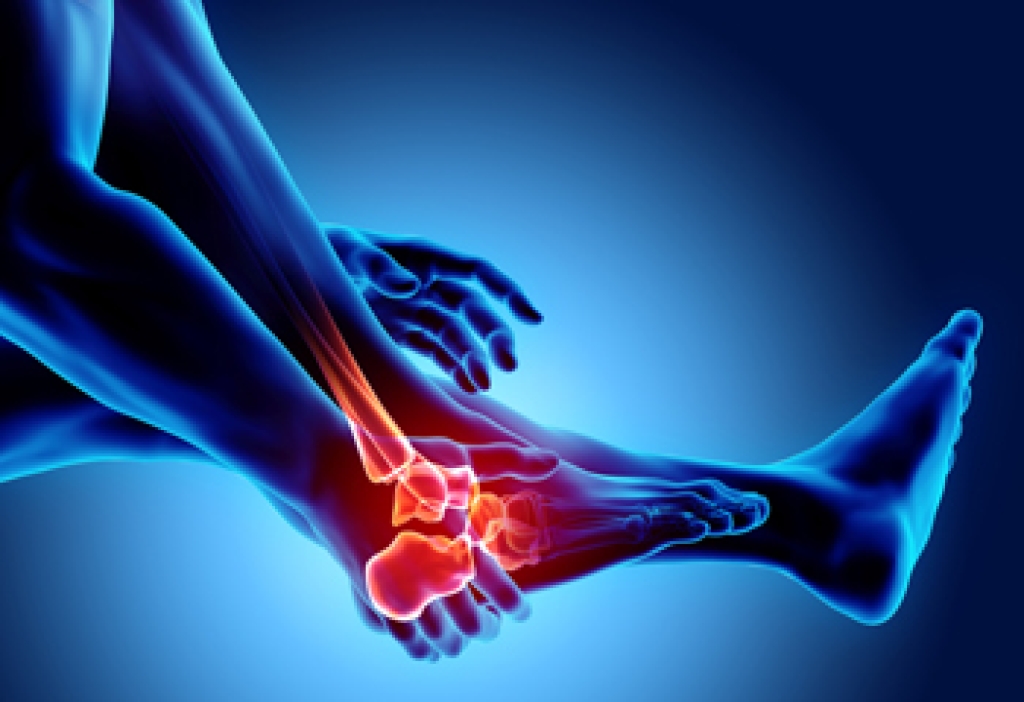
If you have rheumatoid arthritis, you may be experiencing joint pain and stiffness in your feet. Gentle exercises can help reduce foot pain for people dealing with this condition. One simple exercise that you can try is rolling a stress ball with your foot so that the ball is underneath the front part of your heel. This helps stretch the plantar fascia, a ligament that runs along the bottom of your foot and supports your arches. You can do this exercise while sitting or standing. To learn more about how to take care of your feet with a diagnosis of rheumatoid arthritis, and to learn more about helpful exercises you can practice, please consult with a podiatrist. 

Because RA affects more than just your joints, including the joints in your feet and ankles, it is important to seek early diagnosis from your podiatrist if you feel like the pain in your feet might be caused by RA. For more information, contact Emmanuel Bustos, DPM of New York. Our doctor will assist you with all of your podiatric concerns.

What Is Rheumatoid Arthritis?

Rheumatoid Arthritis (RA) is an autoimmune disorder in which the body’s own immune system attacks the membranes surrounding the joints. Inflammation of the lining and eventually the destruction of the joint’s cartilage and bone occur, causing severe pain and immobility.

Rheumatoid Arthritis of the Feet

Although RA usually attacks multiple bones and joints throughout the entire body, almost 90 percent of cases result in pain in the foot or ankle area.

Symptoms

  • Swelling and pain in the feet
  • Stiffness in the feet
  • Pain on the ball or sole of feet
  • Joint shift and deformation

Diagnosis

Quick diagnosis of RA in the feet is important so that the podiatrist can treat the area effectively. Your doctor will ask you about your medical history, occupation, and lifestyle to determine the origin of the condition. Rheumatoid Factor tests help to determine if someone is affected by the disease.

If you have any questions, please feel free to contact our office located in the Upper West Side, NY . We offer the newest diagnostic and treatment technologies for all your foot care needs.

Read more about Rheumatoid Arthritis in the Feet

Why Is Screening for Peripheral Artery Disease Important?

Peripheral artery disease (PAD) is a condition in which blood flow to the lower limbs is inadequate, usually as a result of the arteries narrowing or hardening because of plaque buildup. In its early stages, PAD is often asymptomatic. As it progresses, patients may notice muscle aches and cramps in the lower limbs, difficulty walking, burning or tingling pain, skin discoloration, coolness, or hair loss, and poorly healing wounds developing on the feet or ankles. Left undetected and untreated, PAD can progressively worsen and increase one’s risk of having a cardiovascular event such as a heart attack or stroke. Screening for PAD can be done by your podiatrist to detect and treat PAD early. Vascular testing by your podiatrist is generally safe, painless, and non-invasive. Most podiatrists use the Ankle-Brachial Index test which involves measuring the blood pressure at your arms and ankles and comparing the two numbers, and Doppler ultrasounds to screen for PAD. To learn more and schedule a screening, speak with a podiatrist near you.

Vascular testing plays an important part in diagnosing disease like peripheral artery disease. If you have symptoms of peripheral artery disease, or diabetes, consult with Emmanuel Bustos, DPM from New York. Our doctor will assess your condition and provide you with quality foot and ankle treatment.

What Is Vascular Testing?

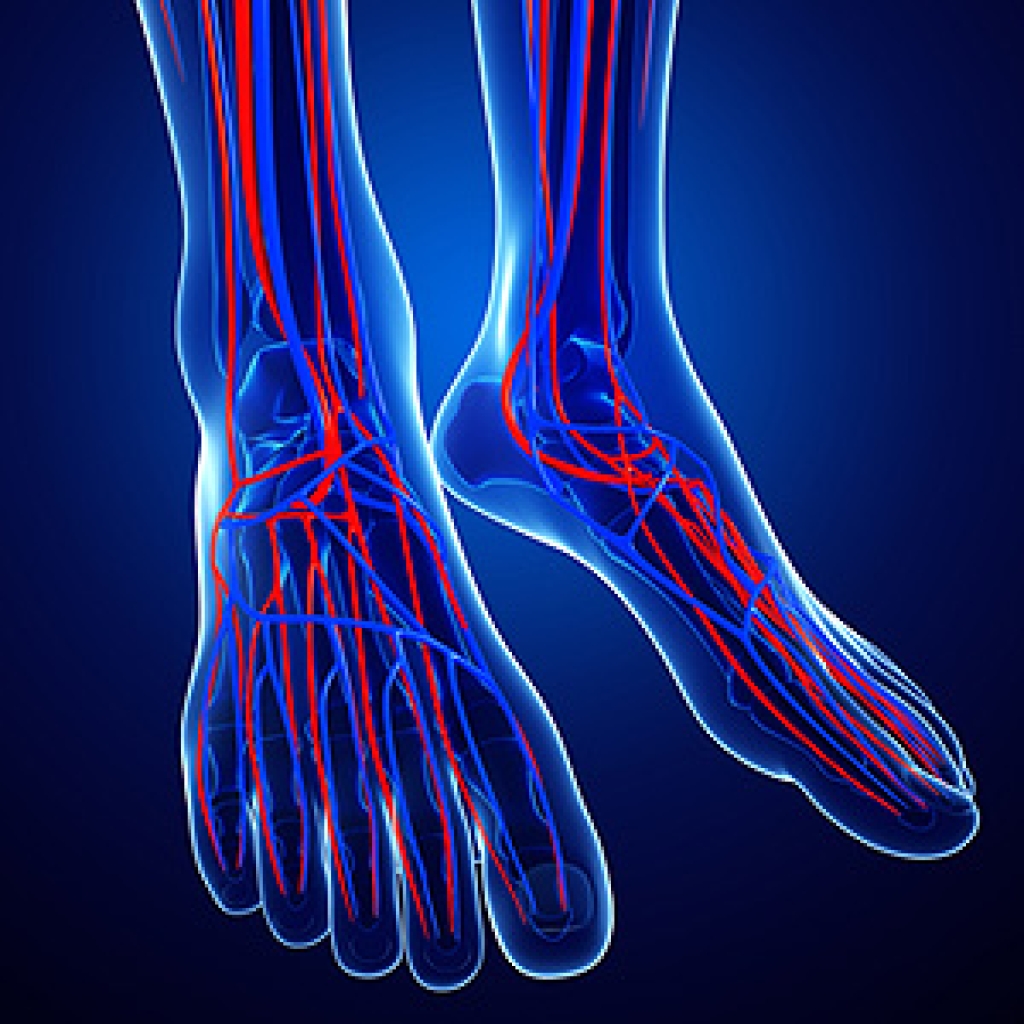
Vascular testing checks for how well blood circulation is in the veins and arteries. This is most often done to determine and treat a patient for peripheral artery disease (PAD), stroke, and aneurysms. Podiatrists utilize vascular testing when a patient has symptoms of PAD or if they believe they might. If a patient has diabetes, a podiatrist may determine a vascular test to be prudent to check for poor blood circulation.

How Is it Conducted?

Most forms of vascular testing are non-invasive. Podiatrists will first conduct a visual inspection for any wounds, discoloration, and any abnormal signs prior to a vascular test.

 The most common tests include:

  • Ankle-Brachial Index (ABI) examination
  • Doppler examination
  • Pedal pulses

These tests are safe, painless, and easy to do. Once finished, the podiatrist can then provide a diagnosis and the best course for treatment.

If you have any questions please contact our office located in the Upper West Side, NY . We offer the newest diagnostic and treatment technologies for all your foot and ankle needs.
Read more about Vascular Testing in Podiatry

Prepping Your Feet for a Healthy Hike

Preparing your feet for a hike can help you to prevent an injury and make your excursion more relaxing and enjoyable. Start with a pair of comfortable hiking boots or shoes that provide plenty of room in the toe box and ensure that the feet don’t slip out of the shoes at the heel or arch area. It is also important to gradually break the boots in before going on a long hike. Choose moisture-wicking socks, or even toe-socks that separate the toes—preventing them from rubbing together and possibly even helping to distribute your weight more evenly. Bring an extra pair of socks to switch out if your feet get too sweaty or wet during the hike. Before you hit the trail, do some gentle stretching in your bare feet such as rolling your arches on a tennis ball, stretching out your toes, circling your ankles slowly, and stretching your calves. If you have spots on your feet that are prone to blistering, apply some tape, moleskin, or a bandage to the area, and pack extra supplies to apply to any hotspots you start feeling on the trail. For advice on choosing shoes or getting custom orthotics that are best for your specific feet on or off the trail, please consult with a podiatrist today.

Exercising your feet regularly with the proper foot wear is a great way to prevent injuries and build strength. If you have any concerns about your feet, contact Emmanuel Bustos, DPM from New York. Our doctor can provide the care you need to keep you pain-free and on your feet.

Exercise for Your Feet

Exercise for your feet can help you gain strength, mobility and flexibility in your feet. They say that strengthening your feet can be just as rewarding as strengthening another part of the body. Your feet are very important, and we often forget about them in our daily tasks. But it is because of our feet that are we able to get going and do what we need to. For those of us fortunate enough to not have any foot problems, it is an important gesture to take care of them to ensure good health in the long run.

Some foot health exercises can include ankle pumps, tip-toeing, toe rises, lifting off the floor doing reps and sets, and flexing the toes. It is best to speak with Our doctor to determine an appropriate regimen for your needs. Everyone’s needs and bodies are different, and the activities required to maintain strength in the feet vary from individual to individual. 

Once you get into a routine of doing regular exercise, you may notice a difference in your feet and how strong they may become.

If you have any questions, please feel free to contact our office located in the Upper West Side, NY . We offer the newest diagnostic and treatment technologies for all your foot care needs.

Read more about Exercise for Your Feet

Connect With Us