
Heel pain can negatively affect your day-to-day life. Simple activities like walking can become incredibly uncomfortable or painful due to heel pain.
Don’t live with heel pain and get treated.
Heel pain can negatively affect your day-to-day life. Simple activities like walking can become incredibly uncomfortable or painful due to heel pain.
Don’t live with heel pain and get treated.

An ingrown toenail is more than a surface problem. When the edge of the nail presses into the surrounding skin, it can become embedded like a splinter. The nail plate, once pushed into the soft tissue, is treated by the body as something that does not belong. This triggers swelling, pain, and redness as part of a natural inflammatory response. While soaking or trimming might ease discomfort temporarily, they rarely solve the deeper issue. Treatment that takes both the physical problem and personal preferences into account leads to better results. Some people respond well to careful conservative care, while others may need a minor in-office procedure to remove the piece of nail causing trouble. A podiatrist can explain the options and help choose the approach that works best for you. When discomfort continues or worsens, it is suggested that you schedule an appointment with a podiatrist for appropriate treatment.
Ingrown toenails may initially present themselves as a minor discomfort, but they may progress into an infection in the skin without proper treatment. For more information about ingrown toenails, contact Emmanuel Bustos, DPM of New York. Our doctor can provide the care you need to keep you pain-free and on your feet.
Ingrown Toenails
Ingrown toenails are caused when the corner or side of a toenail grows into the soft flesh surrounding it. They often result in redness, swelling, pain, and in some cases, infection. This condition typically affects the big toe and may recur if it is not treated properly.
Causes
You are more likely to develop an ingrown toenail if you are obese, have diabetes, arthritis, or have any fungal infection in your nails. Additionally, people who have foot or toe deformities are at a higher risk of developing an ingrown toenail.
Symptoms
Some symptoms of ingrown toenails are redness, swelling, and pain. In rare cases, there may be a yellowish drainage coming from the nail.
Treatment
Ignoring an ingrown toenail can have serious complications. Infections of the nail border can progress to a deeper soft-tissue infection, which can then turn into a bone infection. You should always speak with your podiatrist if you suspect you have an ingrown toenail, especially if you have diabetes or poor circulation.
If you have any questions, please feel free to contact our office located in the Upper West Side and New York City, NY . We offer the newest diagnostic and treatment technologies for all your foot care needs.

If you are experiencing heel pain, it could be a sign of bursitis, which is an inflammation of the fluid-filled sacs, or bursae, located at the back of your heel. These sacs help reduce friction between your heel bone, skin, and Achilles tendon. Bursitis typically develops from repetitive pressure, wearing ill-fitting shoes, or conditions like arthritis or heel abnormalities. The pain is usually felt at the back of the heel and may be accompanied by swelling, tenderness, and, in some cases, redness or warmth. It can make walking or standing uncomfortable and may worsen with physical activity. A podiatrist can accurately diagnose bursitis through a physical exam and imaging studies, if necessary. Treatment options include anti-inflammatory medications, fluid drainage, custom orthotics, or protective padding to reduce pressure on the affected area. In severe cases, surgery may be required to remove the inflamed bursa or correct structural issues in the heel. If you have heel pain, it is suggested that you promptly schedule an appointment with a podiatrist for an accurate diagnosis and effective treatment.
Many people suffer from bouts of heel pain. For more information, contact Emmanuel Bustos, DPM of New York. Our doctor can provide the care you need to keep you pain-free and on your feet.
Causes of Heel Pain
Heel pain is often associated with plantar fasciitis. The plantar fascia is a band of tissues that extends along the bottom of the foot. A rip or tear in this ligament can cause inflammation of the tissue.
Achilles tendonitis is another cause of heel pain. Inflammation of the Achilles tendon will cause pain from fractures and muscle tearing. Lack of flexibility is also another symptom.
Heel spurs are another cause of pain. When the tissues of the plantar fascia undergo a great deal of stress, it can lead to ligament separation from the heel bone, causing heel spurs.
Why Might Heel Pain Occur?
Treatments
Heel pain should be treated as soon as possible for immediate results. Keeping your feet in a stress-free environment will help. If you suffer from Achilles tendonitis or plantar fasciitis, applying ice will reduce the swelling. Stretching before an exercise like running will help the muscles. Using all these tips will help make heel pain a condition of the past.
If you have any questions, please feel free to contact our office located in the Upper West Side and New York City, NY . We offer the newest diagnostic and treatment technologies for all your foot care needs.

Gout is a form of arthritis that often affects the feet, especially the big toe joint. It is caused by a buildup of uric acid in the blood, which leads to sharp urate crystals forming in joints. These crystals trigger intense pain, redness, warmth, and swelling. Common triggers for elevated uric acid include genetic factors, obesity, certain medications, and kidney disease. The first metatarsophalangeal, or MTP, joint of the big toe is the most frequently affected site, although the ankle and other parts of the foot may also become inflamed. Gout flare-ups often begin suddenly, with severe pain that may make even the lightest pressure intolerable. Repeated episodes can lead to joint stiffness, permanent damage, and deformities. In more advanced cases, firm uric acid deposits, called tophi, may form under the skin. A podiatrist can help diagnose gout and recommend treatment, which may include medication or surgery, if joint damage is present. If you have had one or more gout flare-ups, it is suggested that you schedule an appointment with a podiatrist for an exam and appropriate treatment options.
Gout is a painful condition that can be treated. If you are seeking treatment, contact Emmanuel Bustos, DPM from New York. Our doctor will treat your foot and ankle needs.
What Is Gout?
Gout is a form of arthritis that is characterized by sudden, severe attacks of pain, redness, and tenderness in the joints. The condition usually affects the joint at the base of the big toe. A gout attack can occur at any random time, such as the middle of the night while you are asleep.
Symptoms
Risk Factors
Prior to visiting your podiatrist to receive treatment for gout, there are a few things you should do beforehand. If you have gout you should write down your symptoms--including when they started and how often you experience them, important medical information you may have, and any questions you may have. Writing down these three things will help your podiatrist in assessing your specific situation so that he or she may provide the best route of treatment for you.
If you have any questions, please feel free to contact our office located in the Upper West Side and New York City, NY . We offer the newest diagnostic and treatment technologies for all your foot care needs.
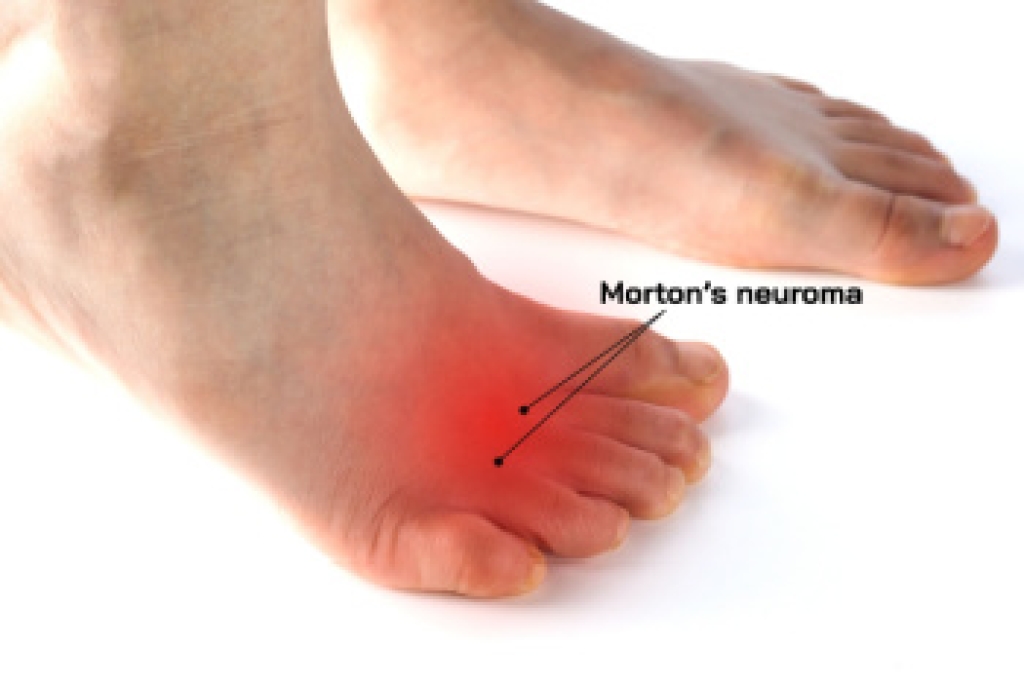
Morton’s neuroma affects the nerve between the toes, most often between the third and fourth toes. It usually develops from repeated pressure or irritation, leading to thickening of the nerve tissue. People with this condition often describe a burning or tingling sensation in the ball of the foot, sometimes with numbness in the toes. Many say it feels like a pebble is stuck in their shoe or that their sock is bunched up. The pain may come and go, becoming worse with wearing tight shoes or long periods of walking. In early stages, removing the pressure may help, but in more advanced cases, help from a podiatrist is often needed. If you have persistent forefoot pain or unusual sensations between your toes, it is suggested that you see a podiatrist for a proper diagnosis and appropriate treatment.
Morton’s neuroma is a very uncomfortable condition to live with. If you think you have Morton’s neuroma, contact Emmanuel Bustos, DPM of New York. Our doctor will attend to all of your foot care needs and answer any of your related questions.
Morton’s Neuroma
Morton's neuroma is a painful foot condition that commonly affects the areas between the second and third or third and fourth toe, although other areas of the foot are also susceptible. Morton’s neuroma is caused by an inflamed nerve in the foot that is being squeezed and aggravated by surrounding bones.
What Increases the Chances of Having Morton’s Neuroma?
Morton’s neuroma is a very treatable condition. Orthotics and shoe inserts can often be used to alleviate the pain on the forefront of the feet. In more severe cases, corticosteroids can also be prescribed. In order to figure out the best treatment for your neuroma, it’s recommended to seek the care of a podiatrist who can diagnose your condition and provide different treatment options.
If you have any questions, please feel free to contact our office located in the Upper West Side and New York City, NY . We offer the newest diagnostic and treatment technologies for all your foot care needs.
Connect With Us
