
Plantar warts are small growths that develop on parts of the feet that bear weight. They're typically found on the bottom of the foot. Don't live with plantar warts, and call us today!
Plantar warts are small growths that develop on parts of the feet that bear weight. They're typically found on the bottom of the foot. Don't live with plantar warts, and call us today!

A podiatrist is a medical doctor who specializes in the treatment of the many conditions that affect your toes, feet, and ankles. Podiatrists have a degree in medicine and have undergone further training in their specialty. Their main job is to promote mobility and activity, reduce pain, and treat infections related to the feet and ankles. They handle simple cases, including corns and calluses, ingrown toenails, fungal infections, and plantar warts, to name a few. Podiatrists also treat more complex problems, such as bunions and heel pain (plantar fasciitis), as well as ankle sprains, Achilles tendon injuries, and broken bones. Podiatrists can help with orthotics for specific foot problems as well as offer treatment for people with chronic conditions that can seriously affect the feet, such as diabetes, peripheral artery disease, and peripheral neuropathy. If you have any foot, toe, or ankle ailment, it is a good idea to seek the help of a podiatrist for a full examination, a diagnosis, and treatment options.
If you are experiencing pain in the feet or ankles, don’t join the stubborn majority refusing treatment. Feel free to contact Emmanuel Bustos, DPM from New York. Our doctor can provide the care you need to keep you pain-free and on your feet.
What Is a Podiatrist?
Someone would seek the care of a podiatrist if they have suffered a foot injury or have common foot ailments such as heal spurs, bunions, arch problems, deformities, ingrown toenails, corns, foot and ankle problems, etc.
Podiatric Treatment
A podiatrist will treat the problematic areas of the feet, ankle or lower leg by prescribing the following:
A common podiatric procedure a podiatrist will use is a scanner or force plate which will allow the podiatrist to know the designs of orthotics. Patients are then told to follow a series of tasks to complete the treatment. The computer will scan the foot a see which areas show weight distribution and pressure points. The podiatrist will read the analysis and then determine which treatment plans are available.
If you have any questions, please feel free to contact our office located in the Upper West Side and New York City, NY . We offer the newest diagnostic and treatment technologies for all your foot care needs.
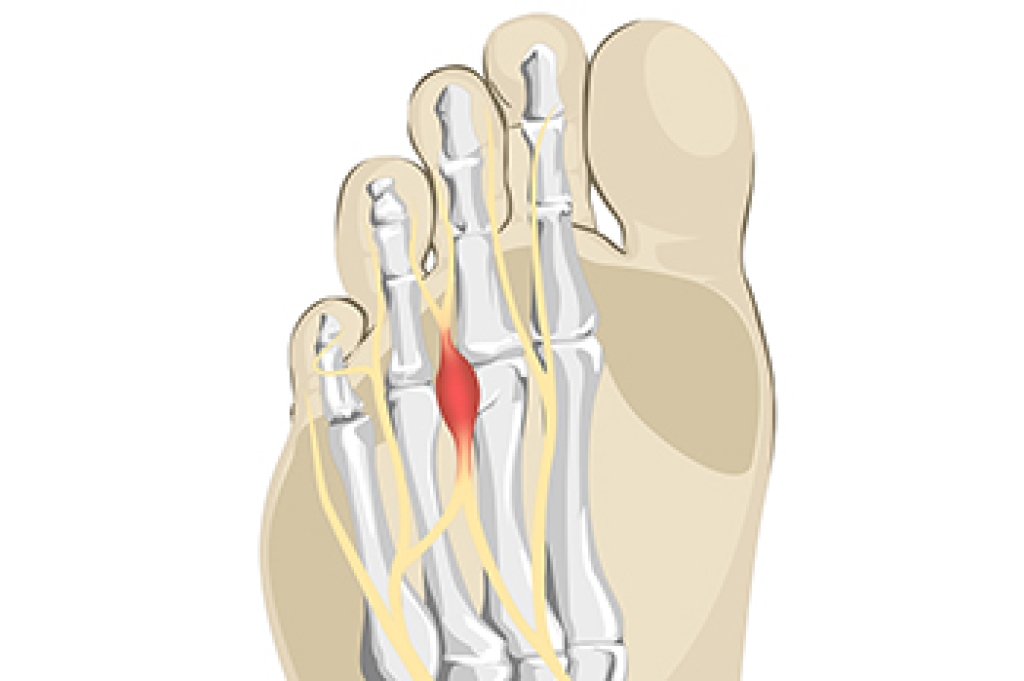 The foot condition that is known as Morton’s neuroma can cause pain and discomfort, and it often makes walking difficult. The pain is generally felt in the bottom of the foot, and many patients describe it as a burning and stabbing feeling. Morton's neuroma affects the tissue that surrounds a nerve in the ball of the foot and can be caused by several reasons. These reasons can include having a poor running technique, wearing running shoes that are too tight, or possibly having flat feet or bunions. The pain is described as having the sensation of standing on a marble or pebble. Additional symptoms can include numbness in the toes, and if it is not treated, it may lead to severe pain, causing the patient to limp. A podiatrist is qualified to perform a proper diagnosis, which can consist of having an X-ray taken, or from a manual exam. If you have foot pain, it is strongly suggested that you confer with a podiatrist as quickly as possible, who can provide you with correct treatment techniques.
Morton’s neuroma is a very uncomfortable condition to live with. If you think you have Morton’s neuroma, contact Emmanuel Bustos, DPM of New York. Our doctor will attend to all of your foot care needs and answer any of your related questions.
Morton’s Neuroma
Morton's neuroma is a painful foot condition that commonly affects the areas between the second and third or third and fourth toe, although other areas of the foot are also susceptible. Morton’s neuroma is caused by an inflamed nerve in the foot that is being squeezed and aggravated by surrounding bones.
What Increases the Chances of Having Morton’s Neuroma?
Morton’s neuroma is a very treatable condition. Orthotics and shoe inserts can often be used to alleviate the pain on the forefront of the feet. In more severe cases, corticosteroids can also be prescribed. In order to figure out the best treatment for your neuroma, it’s recommended to seek the care of a podiatrist who can diagnose your condition and provide different treatment options.
If you have any questions, please feel free to contact our office located in the Upper West Side and New York City, NY . We offer the newest diagnostic and treatment technologies for all your foot care needs.

The Achilles tendon connects the two large calf muscles at the back of the leg to the heel bone. It makes flexing the foot possible, along with walking, running, and jumping. When the Achilles tendon becomes damaged, swollen, and painful, it is known as Achilles tendinitis or Achilles tendinopathy. This condition can occur for a variety of reasons including failing to warm up the calf muscles prior to working out, wearing shoes that do not support the feet properly, suddenly increasing the intensity/amount of physical activity, running too often or on hard surfaces, participating in activities with a lot of jumping, or accidentally turning your foot in or out abruptly. Other risk factors for Achilles tendinitis include being a middle-aged or older adult or having flat feet or a growth or heel spur at the back of the heel (both of which can irritate or put pressure on the tendon). If you believe you have Achilles tendinitis, make an appointment with your podiatrist as soon as possible to begin treatment.
Achilles tendon injuries need immediate attention to avoid future complications. If you have any concerns, contact Emmanuel Bustos, DPM of New York. Our doctor can provide the care you need to keep you pain-free and on your feet.
What Is the Achilles Tendon?
The Achilles tendon is a tendon that connects the lower leg muscles and calf to the heel of the foot. It is the strongest tendon in the human body and is essential for making movement possible. Because this tendon is such an integral part of the body, any injuries to it can create immense difficulties and should immediately be presented to a doctor.
What Are the Symptoms of an Achilles Tendon Injury?
There are various types of injuries that can affect the Achilles tendon. The two most common injuries are Achilles tendinitis and ruptures of the tendon.
Achilles Tendinitis Symptoms
Rupture Symptoms
Treatment and Prevention
Achilles tendon injuries are diagnosed by a thorough physical evaluation, which can include an MRI. Treatment involves rest, physical therapy, and in some cases, surgery. However, various preventative measures can be taken to avoid these injuries, such as:
If you have any questions please feel free to contact our office located in the Upper West Side and New York City, NY . We offer the newest diagnostic tools and technology to treat your foot and ankle needs.
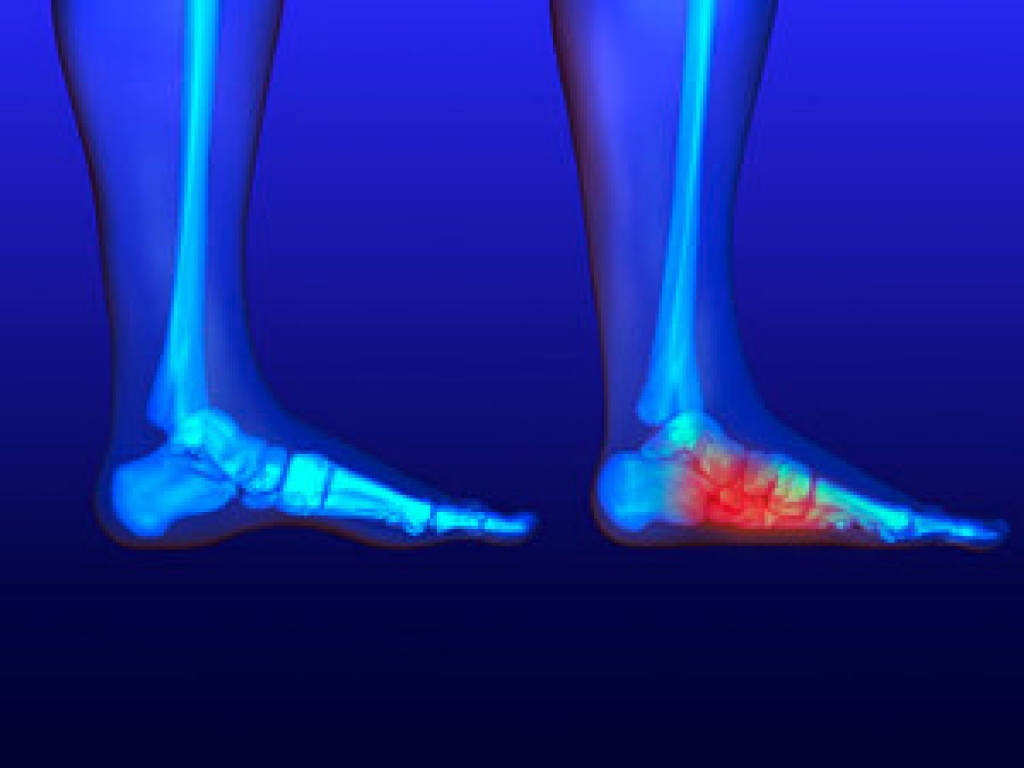
Many people go through life with flat feet and don’t realize it. In fact, most children are born with flat feet, until their arches develop naturally by around the age of 10. If you have flat feet, that simply means the arch, or instep, is low or nonexistent when you step on the foot. The foot is actually flat on the ground, also called having a fallen arch. This condition can cause pain at the inside of the ankle, as well as the calves, knees and hips. Flat feet can also affect your posture by putting more weight on the inside of the foot, known as overpronation. This may cause damage to the ankle and Achilles tendon. Flat feet may be a matter of heredity or derived from other conditions that develop later in life, such as arthritis, obesity, high blood pressure and diabetes. If you or your child are experiencing foot pain, your shoes seem to wear out quickly, your feet are weak, numb, or stiff, or your feet suddenly appear to be flatter, it is a good idea to consult with a podiatrist for a complete examination and diagnosis.
Flatfoot is a condition many people suffer from. If you have flat feet, contact Emmanuel Bustos, DPM from New York. Our doctor will treat your foot and ankle needs.
What Are Flat Feet?
Flatfoot is a condition in which the arch of the foot is depressed and the sole of the foot is almost completely in contact with the ground. About 20-30% of the population generally has flat feet because their arches never formed during growth.
Conditions & Problems:
Having flat feet makes it difficult to run or walk because of the stress placed on the ankles.
Alignment – The general alignment of your legs can be disrupted, because the ankles move inward which can cause major discomfort.
Knees – If you have complications with your knees, flat feet can be a contributor to arthritis in that area.
Symptoms
Treatment
If you are experiencing pain and stress on the foot you may weaken the posterior tibial tendon, which runs around the inside of the ankle.
If you have any questions, please feel free to contact our office located in the Upper West Side and New York City, NY . We offer the newest diagnostic and treatment technologies for all your foot care needs.
Connect With Us
