What Does the Cuboid Bone Do?

There are many bones located in the foot that each play an important role in helping the foot function and move properly. The cuboid bone is one such bone. Located on the outer side of the foot in the midfoot area, this small bone is almost cubical in shape. It is critical to the foot because not only does it provide stability, it also facilitates sufficient weight distribution throughout the feet. It is important to note that the cuboid bone additionally aids in toe movement. A number of ligaments are also attached to the cuboid bone, including the birfurcate ligament and the cuboideonavicular ligament. The cuboid bone alone does not usually fracture by itself in the foot. However, it is susceptible to a condition known as cuboid syndrome, which can move the bone out of alignment. If you want to learn more about the cuboid bone, make an appointment with your local podiatrist today.

If you have any concerns about your feet, contact Emmanuel Bustos, DPM from New York. Our doctor can provide the care you need to keep you pain-free and on your feet.

Biomechanics in Podiatry

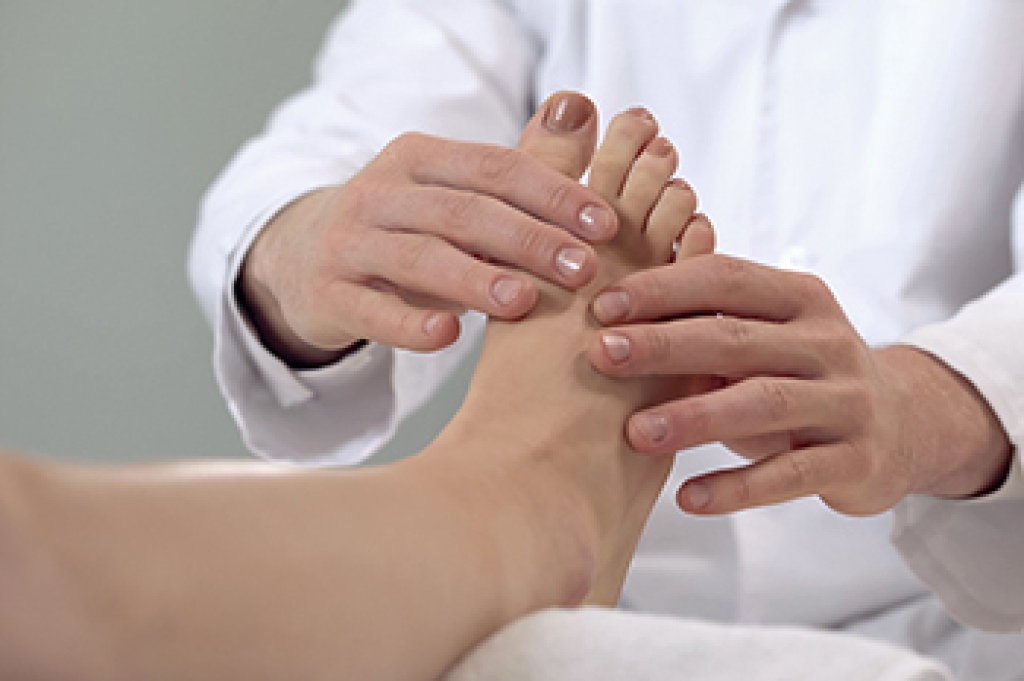
Podiatric biomechanics is a particular sector of specialty podiatry with licensed practitioners who are trained to diagnose and treat conditions affecting the foot, ankle and lower leg. Biomechanics deals with the forces that act against the body, causing an interference with the biological structures. It focuses on the movement of the ankle, the foot and the forces that interact with them.

A History of Biomechanics

  • Biomechanics dates back to the BC era in Egypt where evidence of professional foot care has been recorded.
  • In 1974, biomechanics gained a higher profile from the studies of Merton Root, who claimed that by changing or controlling the forces between the ankle and the foot, corrections or conditions could be implemented to gain strength and coordination in the area.

Modern technological improvements are based on past theories and therapeutic processes that provide a better understanding of podiatric concepts for biomechanics. Computers can provide accurate information about the forces and patterns of the feet and lower legs.

Understanding biomechanics of the feet can help improve and eliminate pain, stopping further stress to the foot.

If you have any questions please feel free to contact our office located in the Upper West Side, NY . We offer the newest diagnostic and treatment technologies for all your foot and ankle needs.
Read more about Biomechanics in Podiatry

Foot Wounds and Diabetes

Many individuals will suffer from a foot wound at some point in their life from some kind of cut, scrape, etc. While certain types of foot wounds can heal by themselves, individuals who suffer from diabetes might notice that it is more difficult for wounds on their bodies to heal. This is primarily due to the fact that when a diabetic’s blood sugar is abnormally high, the healing process is significantly slowed down. If you suffer from diabetes, you should not ignore wounds on your feet, as wounds left untreated can develop an infection. In very severe cases, untreated wounds may require amputation, and diabetics are more likely to undergo some kind of amputation procedure. Therefore, if you have diabetes, it might be wise to conduct a brief daily examination of your foot, scanning all parts of the foot (including between the toes) for any sign of a wound. Contact your podiatrist if you have a wound for proper treatment.

Wound care is an important part in dealing with diabetes. If you have diabetes and a foot wound or would like more information about wound care for diabetics, consult with Emmanuel Bustos, DPM from New York. Our doctor will assess your condition and provide you with quality foot and ankle treatment.

What Is Wound Care?

Wound care is the practice of taking proper care of a wound. This can range from the smallest to the largest of wounds. While everyone can benefit from proper wound care, it is much more important for diabetics. Diabetics often suffer from poor blood circulation which causes wounds to heal much slower than they would in a non-diabetic. 

What Is the Importance of Wound Care?

While it may not seem apparent with small ulcers on the foot, for diabetics, any size ulcer can become infected. Diabetics often also suffer from neuropathy, or nerve loss. This means they might not even feel when they have an ulcer on their foot. If the wound becomes severely infected, amputation may be necessary. Therefore, it is of the upmost importance to properly care for any and all foot wounds.

How to Care for Wounds

The best way to care for foot wounds is to prevent them. For diabetics, this means daily inspections of the feet for any signs of abnormalities or ulcers. It is also recommended to see a podiatrist several times a year for a foot inspection. If you do have an ulcer, run the wound under water to clear dirt from the wound; then apply antibiotic ointment to the wound and cover with a bandage. Bandages should be changed daily and keeping pressure off the wound is smart. It is advised to see a podiatrist, who can keep an eye on it.

If you have any questions please contact our office located in the Upper West Side, NY . We offer the newest diagnostic and treatment technologies for all your foot and ankle needs.
Read more about Wound Care

Do You Suffer From Painful Feet?

Painful deformities, such as hammertoes, can be treated. Stop living with foot pain, and have beautiful feet again!

Swollen Feet and Salt

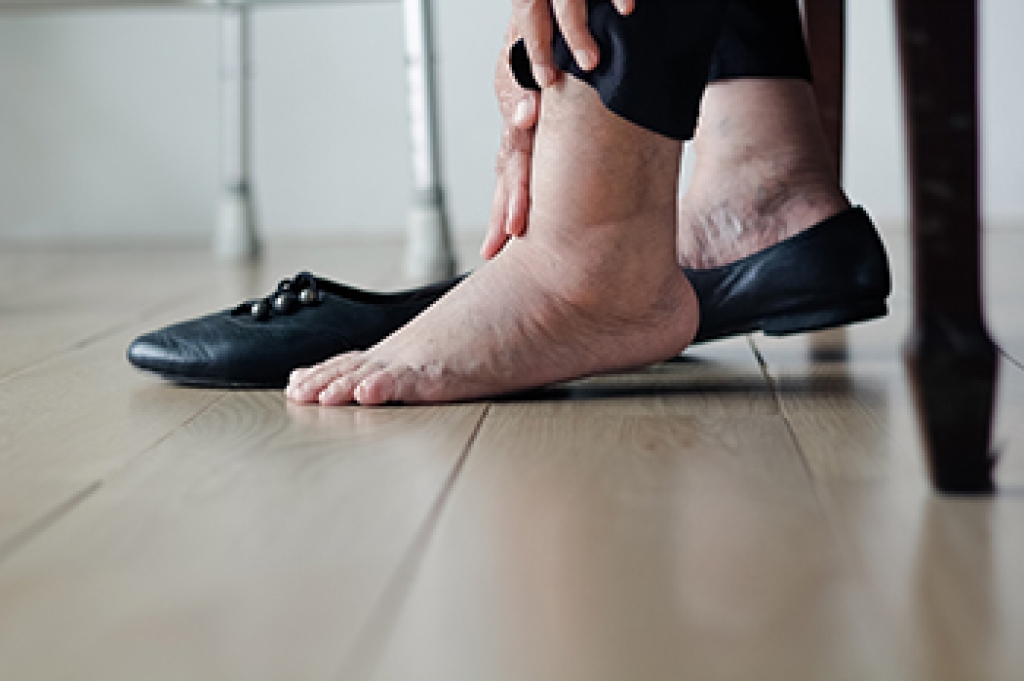
Swollen feet occur when your feet increase in size due to a concentration of fluids in the feet. It can also commonly impact the ankles. There are many different causes of swollen feet. For example, pregnancy, injuries, insect bites, and infections are just some of the many potential causes of swollen feet. However, one cause of swollen feet that is sometimes overlooked is high salt intake. A diet that is high in salt facilitates the retention of water in the body, which can ultimately cause swollen feet. To prevent this from occurring, an individual might consider adjusting their diet. Not only can one reduce their salt intake by not using salt shakers, but avoiding packaged/processed foods that are high in salt can also be helpful. Salt can be frequently found in these packaged foods as a kind of preservative. You might also consider reducing the number of processed meats that you consume, as some of these meats are high in salt as well. Salt substitutes such as potassium iodide might also be worth incorporating into your diet to limit salt intake. As with anything, it is always best to consult first with a medical professional. If you have swollen feet and believe that it might be linked to your salt intake, schedule an appointment with a podiatrist today.

Swollen feet can be a sign of an underlying condition. If you have any concerns, contact Emmanuel Bustos, DPM of New York. Our doctor can provide the care you need to keep you pain-free and on your feet.

Swollen feet are a common ailment among pregnant women and people who stand or sit for extended periods. Aging may increase the possibility of swollen feet and patients who are obese often notice when their feet are swelling too. There may be medical reasons why swollen feet occur:

  • Phlebitis - A condition that causes the veins to become inflamed and can also cause leg pain.
  • Liver disease - This may lead to low blood levels of albumin which is a protein. This can cause fluid in the blood to pass into the tissues and several areas of the body can become swollen.
  • Heart failure - When the heart doesn’t pump properly the blood that is normally pumped back to the heart can pool in the veins of the legs causing swollen feet.
  • Kidney disease - One of the main functions of the kidneys is releasing excess fluid in the body. This type of condition can make it difficult for the kidneys to function properly, and as a result the feet may become swollen.
  • Deep-vein thrombosis (DVT)- This is a serious condition where blood clots form in the veins of the legs. They can block the return of blood from the legs to the heart which may cause the feet to swell. It is important to be treated by a podiatrist if this condition is present.

Swollen feet can also be caused by bone and tendon conditions, including fractures, arthritis, and tendinitis. Additionally, there may be skin and toenail conditions and an infection may cause the feet to swell. Patients who take medicine to treat high blood pressure may be prone to getting swollen feet. 

Many patients elevate their feet to help relieve the swelling and this is generally a temporary remedy. When a podiatrist is consulted the reason behind the swelling can be uncovered and subsequently treated.

If you have any questions please contact our office located in the Upper West Side, NY . We offer the newest diagnostic and treatment technologies for all your foot and ankle needs.

Read more about Swelling of the Feet

Foot Pain and Golf

Foot pain can interfere with your enjoyment of golf, particularly pain in your big toe, heel, and ball of the foot. Foot pain can result from stiff joints, stretched-out tissues, and nerve damage. Relief is possible and often without surgery. The three most common foot conditions sustained by golfers are neuromas, arthritis, and heel pain. A Morton’s neuroma is a thickened, enlarged nerve in the ball of the foot that is compressed or irritated. This can cause pain when transferring weight from one foot to the other while swinging a golf club. Arthritis in the joint of the big toe also makes it difficult to follow through on a swing. Heel pain from plantar fasciitis, an inflammation of the band of tissue that runs from the heel to the ball of the foot, makes it uncomfortable for a golfer to maintain a solid stance while swinging the golf club. Less common afflictions that can cause pain and interfere with golf include ankle arthritis, Achilles tendonitis, and corns and calluses. If you golf and are suffering from foot pain, consult with a podiatrist who will be able to diagnose the problem and provide appropriate treatment so that you are back to good golf form as quickly as possible.

Ankle and foot injuries are common among athletes and in many sports. They can be caused by several problems and may be potentially serious. If you are feeling pain or think you were injured in a sporting event or when exercising, consult with Emmanuel Bustos, DPM from New York. Our doctor will assess your condition and provide you with quality foot and ankle treatment.

Common Injuries

The most common injuries that occur in sporting activities include:

  • Achilles Tendonitis
  • Achilles Tendon Rupture
  • Ankle Sprains
  • Broken Foot
  • Plantar Fasciitis
  • Stress Fractures
  • Turf Toe

Symptoms

Symptoms vary depending upon the injury and in some cases, there may be no symptoms at all. However, in most cases, some form of symptom is experienced. Pain, aching, burning, bruising, tenderness, tightness or stiffness, sensation loss, difficulty moving, and swelling are the most common symptoms.

Treatment

Just as symptoms vary depending upon the injury, so do treatment options. A common treatment method is known as the RICE method. This method involves rest, applying ice, compression and elevating the afflicted foot or ankle. If the injury appears to be more serious, surgery might be required, such as arthroscopic or reconstructive surgery. Lastly, rehabilitation or therapy might be needed to gain full functionality in the afflicted area. Any discomfort experienced by an athlete must be evaluated by a licensed, reputable medical professional.  

If you have any questions please contact our office located in the Upper West Side, NY . We offer the newest diagnostic and treatment technologies for all your foot and ankle needs.

Read more about Sports Related Foot and Ankle Injuries

Connect With Us