Foot Pain May Indicate Arthritis

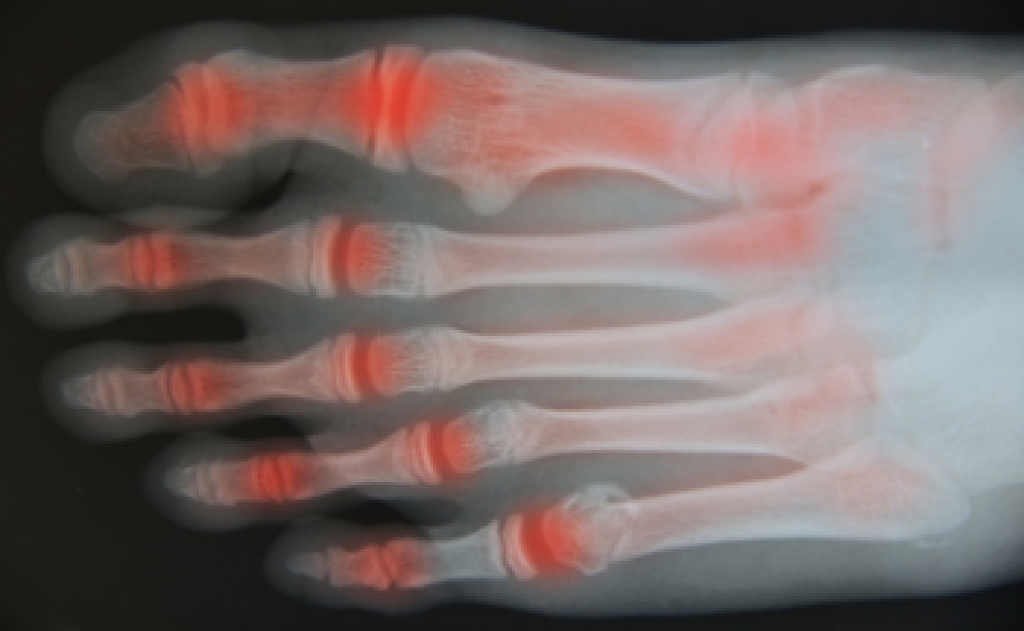
When it comes to foot pain, it's important to recognize that it can be more than just a temporary inconvenience. In fact, in many cases, foot pain might be an early sign of arthritis. This widespread condition affects millions of people worldwide, and it can have a profound effect on various joints throughout the body, including those in the feet. One of the most prevalent forms of arthritis that affects the feet is osteoarthritis. This condition develops as the cartilage cushioning the joints wears down over time, leading to persistent pain, stiffness, and swelling. Another type, rheumatoid arthritis, is an autoimmune disorder that can also target the foot joints, resulting in discomfort and deformities. It is important not to ignore foot pain, as it might be your body's early warning signal for an underlying arthritis condition. If you're experiencing persistent foot pain, especially in the morning or after periods of inactivity, it's suggested that you make an appointment with a podiatrist for a comprehensive examination, necessary diagnostic tests, and a tailored treatment plan to manage your symptoms effectively. 

Arthritis can be a difficult condition to live with. If you are seeking treatment, contact Emmanuel Bustos, DPM from New York. Our doctor can provide the care you need to keep you pain-free and on your feet.

Arthritic Foot Care  

Arthritis is a term that is commonly used to describe joint pain.  The condition itself can occur to anyone of any age, race, or gender, and there are over 100 types of it.  Nevertheless, arthritis is more commonly found in women compared to men, and it is also more prevalent in those who are overweight. The causes of arthritis vary depending on which type of arthritis you have. Osteoarthritis for example, is often caused by injury, while rheumatoid arthritis is caused by a misdirected immune system.

Symptoms

  • Swelling
  • Pain
  • Stiffness
  • Decreased Range of Motion

Arthritic symptoms range in severity, and they may come and go. Some symptoms stay the same for several years but could potentially get worse with time. Severe cases of arthritis can prevent its sufferers from performing daily activities and make walking difficult.

Risk Factors

  • Occupation – Occupations requiring repetitive knee movements have been linked to osteoarthritis
  • Obesity – Excess weight can contribute to osteoarthritis development
  • Infection – Microbial agents can infect the joints and trigger arthritis
  • Joint Injuries – Damage to joints may lead to osteoarthritis
  • Age – Risk increases with age
  • Gender –Most types are more common in women
  • Genetics – Arthritis can be hereditary

If you suspect your arthritis is affecting your feet, it is crucial that you see a podiatrist immediately. Your doctor will be able to address your specific case and help you decide which treatment method is best for you.

If you have any questions please feel free to contact our office located in the Upper West Side, NY . We offer the newest diagnostic tools and technology to treat your foot and ankle needs.

Read more about How to Care for Your Arthritic Foot

Managing Foot Pain

The management of foot pain is extremely individualized, depending on its cause. Patients typically combine non-pharmaceutical methods with medications for relief. Performing specific exercises that maintain muscle strength and flexibility can help to prevent future injuries. Podiatrists are essential and can offer orthotics tailored to each patient's needs. These insoles, rigid or soft, alleviate walking or running discomfort. Medications come in various forms including oral analgesics and corticosteroid injections to help control inflammation. In severe cases hindering mobility, surgery may be necessary, such as fracture repair, arthroscopic debridement, or joint fusion. Post-surgery rehabilitation and follow-up appointments are crucial for a successful recovery. If you are suffering from chronic foot pain, or if it becomes worse, it is suggested that you make an appointment with a podiatrist for a proper diagnosis and individualized treatment.

Foot Pain

Foot pain can be extremely painful and debilitating. If you have a foot pain, consult with Emmanuel Bustos, DPM from New York. Our doctor will assess your condition and provide you with quality foot and ankle treatment.

Causes

Foot pain is a very broad condition that could be caused by one or more ailments. The most common include:

  • Bunions
  • Hammertoes
  • Plantar Fasciitis
  • Bone Spurs
  • Corns
  • Tarsal Tunnel Syndrome
  • Ingrown Toenails
  • Arthritis (such as Gout, Rheumatoid, and Osteoarthritis)
  • Flat Feet
  • Injury (from stress fractures, broken toe, foot, ankle, Achilles tendon ruptures, and sprains)
  • And more

Diagnosis

To figure out the cause of foot pain, podiatrists utilize several different methods. This can range from simple visual inspections and sensation tests to X-rays and MRI scans. Prior medical history, family medical history, and any recent physical traumatic events will all be taken into consideration for a proper diagnosis.

Treatment

Treatment depends upon the cause of the foot pain. Whether it is resting, staying off the foot, or having surgery; podiatrists have a number of treatment options available for foot pain.

If you have any questions, please feel free to contact our office located in the Upper West Side, NY . We offer the newest diagnostic and treatment technologies for all your foot care needs.

Read more about Foot Pain

A Guide to Treating Plantar Fasciitis

Plantar fasciitis, a common and often debilitating foot condition, can bring your daily life to a halt due to severe heel pain. Fortunately, various treatment options are available to help you regain your comfort and mobility. Conservative measures like rest and taking anti-inflammatory medications can help to alleviate discomfort. Wearing supportive footwear with proper arch support and cushioning can significantly reduce strain on the plantar fascia. Stretching exercises that target the calf muscles and Achilles tendon can also provide relief by loosening tight structures around the foot. Custom orthotics may be recommended to support the arch and distribute pressure evenly. In rare cases, when conservative treatments are not sufficient, medical interventions such as cortico-steroid injections or surgery may be considered. Plantar fasciitis can be challenging, but with the right approach and patience, you can overcome it and return to a pain-free, active lifestyle. If you have heel pain, it is suggested that you contact a podiatrist who can effectively diagnose and treat plantar fasciitis.

Plantar fasciitis is a common foot condition that is often caused by a strain injury. If you are experiencing heel pain or symptoms of plantar fasciitis, contact Emmanuel Bustos, DPM from New York. Our doctor can provide the care you need to keep you pain-free and on your feet.

What Is Plantar Fasciitis?

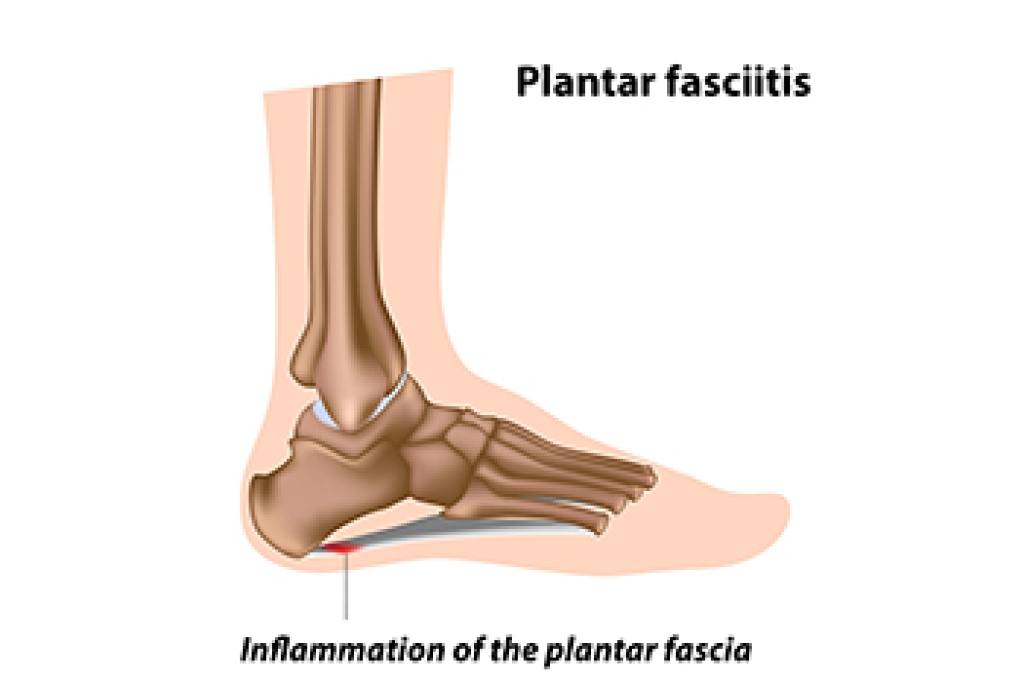
Plantar fasciitis is one of the most common causes of heel pain. The plantar fascia is a ligament that connects your heel to the front of your foot. When this ligament becomes inflamed, plantar fasciitis is the result. If you have plantar fasciitis you will have a stabbing pain that usually occurs with your first steps in the morning. As the day progresses and you walk around more, this pain will start to disappear, but it will return after long periods of standing or sitting.

What Causes Plantar Fasciitis?

  • Excessive running
  • Having high arches in your feet
  • Other foot issues such as flat feet
  • Pregnancy (due to the sudden weight gain)
  • Being on your feet very often

There are some risk factors that may make you more likely to develop plantar fasciitis compared to others. The condition most commonly affects adults between the ages of 40 and 60. It also tends to affect people who are obese because the extra pounds result in extra stress being placed on the plantar fascia.

Prevention

  • Take good care of your feet – Wear shoes that have good arch support and heel cushioning.
  • Maintain a healthy weight
  • If you are a runner, alternate running with other sports that won’t cause heel pain

There are a variety of treatment options available for plantar fasciitis along with the pain that accompanies it. Additionally, physical therapy is a very important component in the treatment process. It is important that you meet with your podiatrist to determine which treatment option is best for you.

If you have any questions, please feel free to contact our office located in the Upper West Side, NY . We offer the newest diagnostic and treatment technologies for all your foot care needs.


Read more about Plantar Fasciitis

Effects of Peripheral Neuropathy

Peripheral neuropathy refers to nerve damage in areas away from the central body, such a the feet. It encompasses three nerve types consisting of sensory nerves for touch, taste, sight, hearing, and smell. Motor nerves are for movement, and autonomic nerves are used for functions such as balance, sweating, and digestion. Sensory nerves in the feet and legs are usually impacted. Symptoms can encompass pain, tingling, and numbness. Additional symptoms can include having a pins and needles sensation, a burning feeling, and muscle weakness. These symptoms can be mild or severe, and typically start in the toes and progress toward the knees, often worsening at night. The primary cause of peripheral neuropathy is diabetes, including both type 1 and type 2, and is also known as diabetic neuropathy. Other contributors can include prolonged heavy alcohol use, and nerve damage from injuries or repetitive actions. Additionally, infections such as Lyme disease, HIV, autoimmune disorders, and hereditary conditions may lead to developing peripheral neuropathy. If you have peripheral neuropathy and it is causing unusual sensations in your feet, it is strongly suggested that you make an appointment with a podiatrist for an examination and treatment plan to manage symptoms.

Neuropathy

Neuropathy can be a potentially serious condition, especially if it is left undiagnosed. If you have any concerns that you may be experiencing nerve loss in your feet, consult with Emmanuel Bustos, DPM from New York. Our doctor will assess your condition and provide you with quality foot and ankle treatment for neuropathy.

What Is Neuropathy?

Neuropathy is a condition that leads to damage to the nerves in the body. Peripheral neuropathy, or neuropathy that affects your peripheral nervous system, usually occurs in the feet. Neuropathy can be triggered by a number of different causes. Such causes include diabetes, infections, cancers, disorders, and toxic substances.

Symptoms of Neuropathy Include:

  • Numbness
  • Sensation loss
  • Prickling and tingling sensations
  • Throbbing, freezing, burning pains
  • Muscle weakness

Those with diabetes are at serious risk due to being unable to feel an ulcer on their feet. Diabetics usually also suffer from poor blood circulation. This can lead to the wound not healing, infections occurring, and the limb may have to be amputated.

Treatment

To treat neuropathy in the foot, podiatrists will first diagnose the cause of the neuropathy. Figuring out the underlying cause of the neuropathy will allow the podiatrist to prescribe the best treatment, whether it be caused by diabetes, toxic substance exposure, infection, etc. If the nerve has not died, then it’s possible that sensation may be able to return to the foot.

Pain medication may be issued for pain. Electrical nerve stimulation can be used to stimulate nerves. If the neuropathy is caused from pressure on the nerves, then surgery may be necessary.

If you have any questions, please feel free to contact our office located in the Upper West Side, NY . We offer the newest diagnostic and treatment technologies for all your foot care needs.

Read more about Neuropathy

Connect With Us