
Why Do I Feel Electrical Shocks in My Feet?

Inside the ankle, located next to the ankle bones, is a narrow structure protected by ligaments called the tarsal tunnel. There are several things that go through this tunnel including veins, arteries, tendons, and the posterior tibial nerve. When this narrow tarsal tunnel becomes compressed, the posterior tibial nerve can get squeezed or compressed as well resulting in what is known as Tarsal Tunnel Syndrome. This compressed nerve can produce tingling, burning, numbness, pain or even give the sensation of an electrical shock anywhere throughout the foot and ankle, and even the calf. Symptoms can occur at once, or gradually. Tarsal Tunnel Syndrome can be brought on by injuries that cause inflammation near the tunnel, flat feet, enlarged or abnormal veins or cysts in the tunnel, or diseases which cause swelling, such as arthritis and diabetes. If you experience any symptoms described here, see a podiatrist in order to receive proper care, and to avoid permanent nerve damage.

Tarsal tunnel syndrome can be very uncomfortable to live with. If you are experiencing tarsal tunnel syndrome, contact Emmanuel Bustos, DPM of New York. Our doctor can provide the care you need to keep you pain-free and on your feet.

Tarsal Tunnel Syndrome

Tarsal tunnel syndrome, which can also be called tibial nerve dysfunction, is an uncommon condition of misfiring peripheral nerves in the foot. The tibial nerve is the peripheral nerve in the leg responsible for sensation and movement of the foot and calf muscles. In tarsal tunnel syndrome, the tibial nerve is damaged, causing problems with movement and feeling in the foot of the affected leg.

Common Cause of Tarsal Tunnel Syndrome

  • Involves pressure or an injury, direct pressure on the tibial nerve for an extended period of time, sometimes caused by other body structures close by or near the knee.
  • Diseases that damage nerves, including diabetes, may cause tarsal tunnel syndrome.
  • At times, tarsal tunnel syndrome can appear without an obvious cause in some cases.

The Effects of Tarsal Tunnel Syndrome

  • Different sensations, an afflicted person may experience pain, tingling, burning or other unusual sensations in the foot of the affected leg.
  • The foot muscles, toes and ankle become weaker, and curling your toes or flexing your foot can become difficult.
  • If condition worsens, infections and ulcers may develop on the foot that is experiencing the syndrome.

A physical exam of the leg can help identify the presence of tarsal tunnel syndrome. Medical tests, such as a nerve biopsy, are also used to diagnose the condition. Patients may receive physical therapy and prescriptive medication. In extreme cases, some may require surgery.

If you have any questions please contact our office located in the Upper West Side, NY . We offer the newest diagnostic and treatment technologies for all your foot and ankle needs.

Read more about Treating Tarsal Tunnel Syndrome

Is It Peripheral Artery Disease, or Something Else?

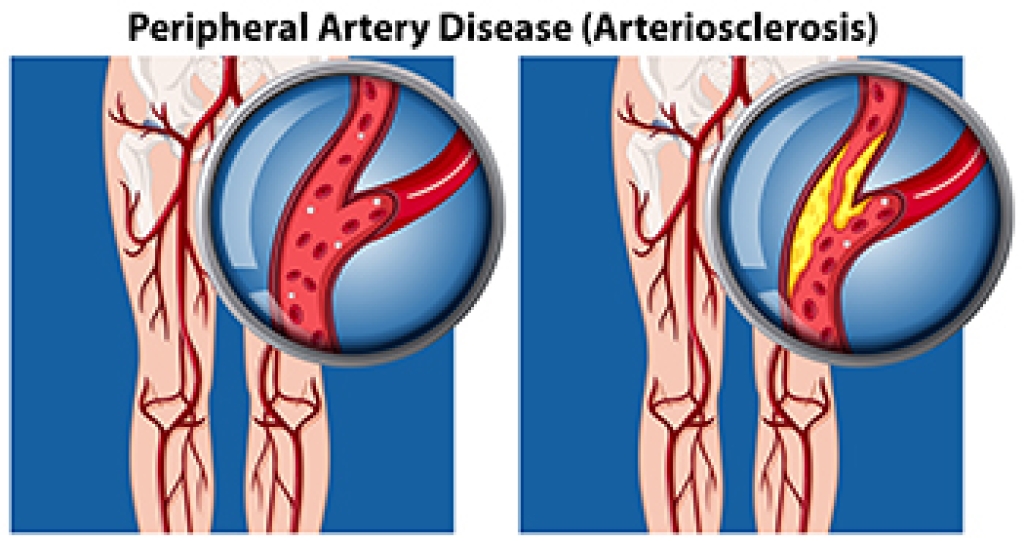
Peripheral artery disease (PAD) is a condition that causes poor circulation in the feet and ankles. In many cases, people who suffer from PAD do not experience any symptoms. As the disease progresses, noticeable symptoms can appear. One of the first may be claudication, or cramping in the lower legs while walking. This occurs because the muscles in the lower legs are not receiving enough oxygen and nutrients from the blood. Muscle weakness usually follows. Not all leg cramps and weakness are indicative of PAD, however. There are other conditions that cause similar symptoms, such as deep vein thrombosis, traveler’s thrombosis, and various spinal problems. If you suffer from leg cramps, consult with a podiatrist today. 

Peripheral artery disease can pose a serious risk to your health. It can increase the risk of stroke and heart attack. If you have symptoms of peripheral artery disease, consult with Emmanuel Bustos, DPM from New York. Our doctor will assess your condition and provide you with quality foot and ankle treatment.

Peripheral artery disease (PAD) is when arteries are constricted due to plaque (fatty deposits) build-up. This results in less blood flow to the legs and other extremities. The main cause of PAD is atherosclerosis, in which plaque builds up in the arteries.

Symptoms

Symptoms of PAD include:

  • Claudication (leg pain from walking)
  • Numbness in legs
  • Decrease in growth of leg hair and toenails
  • Paleness of the skin
  • Erectile dysfunction
  • Sores and wounds on legs and feet that won’t heal
  • Coldness in one leg

It is important to note that a majority of individuals never show any symptoms of PAD.

Diagnosis

While PAD occurs in the legs and arteries, Podiatrists can diagnose PAD. Podiatrists utilize a test called an ankle-brachial index (ABI). An ABI test compares blood pressure in your arm to you ankle to see if any abnormality occurs. Ultrasound and imaging devices may also be used.

Treatment

Fortunately, lifestyle changes such as maintaining a healthy diet, exercising, managing cholesterol and blood sugar levels, and quitting smoking, can all treat PAD. Medications that prevent clots from occurring can be prescribed. Finally, in some cases, surgery may be recommended.

If you have any questions, please feel free to contact our office located in the Upper West Side, NY . We offer the newest diagnostic and treatment technologies for all your foot care needs.

Read more about Peripheral Artery Disease

When Ankle Sprains Do Not Heal Properly

Ankle sprains are common injuries that cause the ligaments that support the ankle joint to become overly stretched or torn. If an ankle sprain does not heal properly additional sprains may occur, which may lead to ankle instability. Ankle instability can cause pain, tenderness, or swelling in the ankle, as well as make it feel wobbly or loose. Your weakened ankle may also roll out frequently on the lateral side of your foot when you are walking, standing, or playing sports. If you exhibit any of these symptoms and have had previous ankle sprains, you may be experiencing chronic ankle instability. Make an appointment with a podiatrist to receive a proper diagnosis and determine a treatment method that is specific to you. 

Ankle sprains are common but need immediate attention. If you need your feet checked, contact Emmanuel Bustos, DPM from New York. Our doctor can provide the care you need to keep you pain-free and on your feet.

How Does an Ankle Sprain Occur?

Ankle sprains take place when the ligaments in your ankle are torn or stretched beyond their limits. There are multiple ways that the ankle can become injured, including twisting or rolling over onto your ankle, putting undue stress on it, or causing trauma to the ankle itself.

What Are the Symptoms?

  • Mild to moderate bruising
  • Limited mobility
  • Swelling
  • Discoloration of the skin (depending on severity)

Preventing a Sprain

  • Wearing appropriate shoes for the occasion
  • Stretching before exercises and sports
  • Knowing your limits

Treatment of a Sprain

Treatment of a sprain depends on the severity.  Many times, people are told to rest and remain off their feet completely, while others are given an air cast. If the sprain is very severe, surgery may be required.

If you have suffered an ankle sprain previously, you may want to consider additional support such as a brace and regular exercises to strengthen the ankle.

If you have any questions please feel free to contact our office located in the Upper West Side, NY . We offer the newest diagnostic tools and technology to treat your foot and ankle needs.

Read more about Ankle Sprains

Why Do I Get Foot Cramps?

Foot cramps are spasms that occur in the muscles of the feet, most typically on the top of the foot, in the arch, and surrounding the toes. These spasms can be quite painful and may even lock your muscles and prevent movement until they subside. Foot cramps that occur occasionally are likely no cause for alarm, but if they are chronic and interfere with your ability to perform daily functions, you should go see a podiatrist to have them diagnosed. Possible causes of foot cramps can include dehydration, which starves muscles and causes them to malfunction, tight shoes that cut off circulation and restrict movement, peripheral neuropathy (nerve damage), certain medications, and excessive exercising which strains the foot muscles. Additionally, insufficient amounts of potassium in your body—which controls nerve and muscle cell functionality—may contribute to foot cramping. If foot cramps are becoming frequent or more severe, contact a podiatrist.

Foot Pain

Foot pain can be extremely painful and debilitating. If you have a foot pain, consult with Emmanuel Bustos, DPM from New York. Our doctor will assess your condition and provide you with quality foot and ankle treatment.

Causes

Foot pain is a very broad condition that could be caused by one or more ailments. The most common include:

  • Bunions
  • Hammertoes
  • Plantar Fasciitis
  • Bone Spurs
  • Corns
  • Tarsal Tunnel Syndrome
  • Ingrown Toenails
  • Arthritis (such as Gout, Rheumatoid, and Osteoarthritis)
  • Flat Feet
  • Injury (from stress fractures, broken toe, foot, ankle, Achilles tendon ruptures, and sprains)
  • And more

Diagnosis

To figure out the cause of foot pain, podiatrists utilize several different methods. This can range from simple visual inspections and sensation tests to X-rays and MRI scans. Prior medical history, family medical history, and any recent physical traumatic events will all be taken into consideration for a proper diagnosis.

Treatment

Treatment depends upon the cause of the foot pain. Whether it is resting, staying off the foot, or having surgery; podiatrists have a number of treatment options available for foot pain.

If you have any questions, please feel free to contact our office located in the Upper West Side, NY . We offer the newest diagnostic and treatment technologies for all your foot care needs.

Read more about Foot Pain

Connect With Us