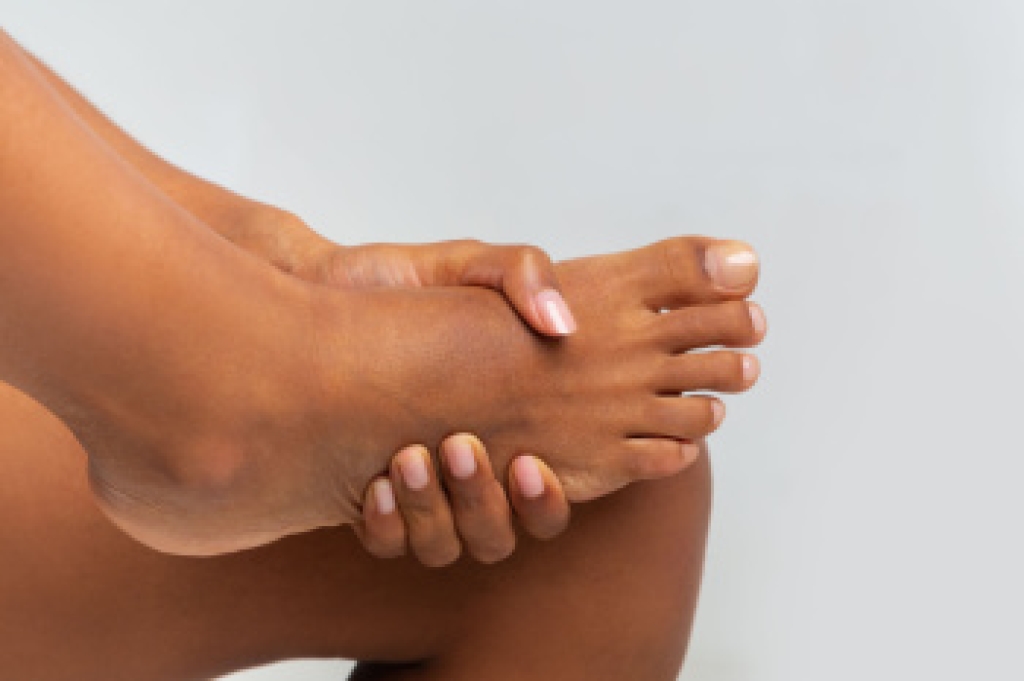
Foot Care Habits for Strong and Infection-Free Feet

Practicing healthy foot care habits is essential for preventing infections and maintaining overall wellness. Washing and drying feet each day helps remove bacteria and moisture that can lead to problems, while trimming toenails properly reduces the risk of injury. Checking feet for cuts and sores allows early detection of issues before they worsen. Without proper care, conditions like fungal nail infections, ringworm, and hookworm can develop. Fungal nail infections cause thickened and discolored nails, ringworm is a contagious skin infection that creates itchy circular rashes, and hookworm is a parasitic infection that can enter through the skin. Risk factors include poor hygiene and walking barefoot in contaminated areas. If you have any of the above symptoms, it is suggested that you consult a podiatrist who can provide a proper diagnosis and treatment.

Everyday foot care is very important to prevent infection and other foot ailments. If you need your feet checked, contact Emmanuel Bustos, DPM from New York. Our doctor can provide the care you need to keep you pain-free and on your feet.

Everyday Foot Care

Often, people take care of their bodies, face and hair more so than they do for their feet. But the feet are a very important aspect of our bodies, and one that we should pay more attention to. Without our feet, we would not be able to perform most daily tasks.

It is best to check your feet regularly to make sure there are no new bruises or cuts that you may not have noticed before. For dry feet, moisturizer can easily be a remedy and can be applied as often as necessary to the affected areas. Wearing shoes that fit well can also help you maintain good foot health, as well as making it easier to walk and do daily activities without the stress or pain of ill-fitting shoes, high heels, or even flip flops. Wearing clean socks with closed shoes is important to ensure that sweat and bacteria do not accumulate within the shoe. Clean socks help to prevent Athlete’s foot, fungi problems, bad odors, and can absorb sweat.

If you have any questions, please feel free to contact our office located in the Upper West Side and New York City, NY . We offer the newest diagnostic and treatment technologies for all your foot care needs.

Read more about Everyday Foot Care

Protecting Diabetic Feet Through Regular Care and Early Detection

Foot problems are common in individuals with diabetes due to nerve damage and poor circulation that reduce sensation and slow healing. Preventing complications begins with regular foot checks and proper testing to detect changes early. A monofilament test evaluates protective sensation by applying light pressure to the skin, helping identify loss of feeling. A tuning fork test assesses vibration sense, which may decline with nerve damage. A pinprick test checks the ability to feel sharp sensations, and an ankle jerk reflex test evaluates nerve response and function. These assessments help detect early signs of neuropathy and reduce the risk of foot ulcers or infection. A podiatrist can perform these evaluations and provide ongoing care. If you have foot problems related to diabetes, it is strongly suggested that you care under the care of a podiatrist who can help you to manage this serious condition.

Diabetic foot care is important in preventing foot ailments such as ulcers. If you are suffering from diabetes or have any other concerns about your feet, contact Emmanuel Bustos, DPM from New York. Our doctor can provide the care you need to keep you pain-free and on your feet.

Diabetic Foot Care

Diabetes affects millions of people every year. The condition can damage blood vessels in many parts of the body, especially the feet. Because of this, taking care of your feet is essential if you have diabetes, and having a podiatrist help monitor your foot health is highly recommended.

The Importance of Caring for Your Feet

  • Routinely inspect your feet for bruises or sores.
  • Wear socks that fit your feet comfortably.
  • Wear comfortable shoes that provide adequate support.

Patients with diabetes should have their doctor monitor their blood levels, as blood sugar levels play such a huge role in diabetic care. Monitoring these levels on a regular basis is highly advised.

It is always best to inform your healthcare professional of any concerns you may have regarding your feet, especially for diabetic patients. Early treatment and routine foot examinations are keys to maintaining proper health, especially because severe complications can arise if proper treatment is not applied.

If you have any questions, please feel free to contact our office located in the Upper West Side and New York City, NY . We offer the newest diagnostic and treatment technologies for all your foot care needs.
Read more about Diabetic Foot Conditions

Peripheral Artery Disease and Blood Vessel Health

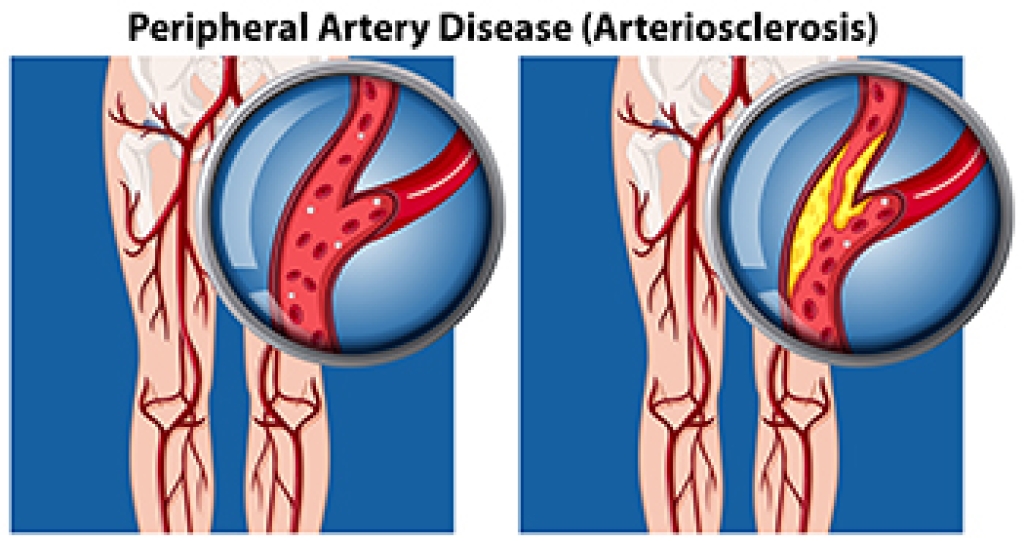
Peripheral artery disease, often called PAD, affects how blood flows to the legs and feet. It is commonly thought of as a problem in the larger arteries, where plaque buildup can limit circulation. However, smaller vessels can also be involved, further reducing blood flow at the tissue level. This combination can make it harder for the body to deliver oxygen and nutrients needed for healing and daily function. People with PAD may notice leg fatigue, cramping with walking, slower healing of cuts, or changes in skin color and temperature. Because both large and small vessels can be affected, symptoms may vary and sometimes appear gradually. Early recognition is important to help manage circulation and reduce the risk of more serious complications. Treatment may include lifestyle changes, medical care, and monitoring of foot health. If you notice signs of poor circulation, it is suggested that you see a podiatrist for a proper diagnosis and appropriate treatment.

Peripheral artery disease can pose a serious risk to your health. It can increase the risk of stroke and heart attack. If you have symptoms of peripheral artery disease, consult with Emmanuel Bustos, DPM from New York. Our doctor will assess your condition and provide you with quality foot and ankle treatment.

Peripheral artery disease (PAD) is when arteries are constricted due to plaque (fatty deposits) build-up. This results in less blood flow to the legs and other extremities. The main cause of PAD is atherosclerosis, in which plaque builds up in the arteries.

Symptoms

Symptoms of PAD include:

  • Claudication (leg pain from walking)
  • Numbness in legs
  • Decrease in growth of leg hair and toenails
  • Paleness of the skin
  • Erectile dysfunction
  • Sores and wounds on legs and feet that won’t heal
  • Coldness in one leg

It is important to note that a majority of individuals never show any symptoms of PAD.

Diagnosis

While PAD occurs in the legs and arteries, Podiatrists can diagnose PAD. Podiatrists utilize a test called an ankle-brachial index (ABI). An ABI test compares blood pressure in your arm to you ankle to see if any abnormality occurs. Ultrasound and imaging devices may also be used.

Treatment

Fortunately, lifestyle changes such as maintaining a healthy diet, exercising, managing cholesterol and blood sugar levels, and quitting smoking, can all treat PAD. Medications that prevent clots from occurring can be prescribed. Finally, in some cases, surgery may be recommended.

If you have any questions, please feel free to contact our office located in the Upper West Side and New York City, NY . We offer the newest diagnostic and treatment technologies for all your foot care needs.

Read more about Peripheral Artery Disease

When the Big Toe Loses Its Motion

A stiff big toe is often caused by a condition called hallux limitus or hallux rigidus, which means the joint at the base of the big toe has limited or very little movement. This problem usually develops over time, beginning with discomfort when walking or bending the toe and gradually progressing to more constant pain and stiffness. The joint may look swollen or enlarged, and some patients notice a firm bump on the top of the toe. Activities that require push off, such as walking uphill or running, can become difficult and uncomfortable. Common causes include arthritis, repetitive stress, prior injury, or foot structure that places extra pressure on the joint. A podiatrist can evaluate movement and may use imaging to understand the severity. Treatment options include supportive footwear, custom orthotics, and targeted exercises to help maintain motion. In more advanced cases, surgery may be considered. If you have a stiff big toe, it is suggested that you make an appointment with a podiatrist.

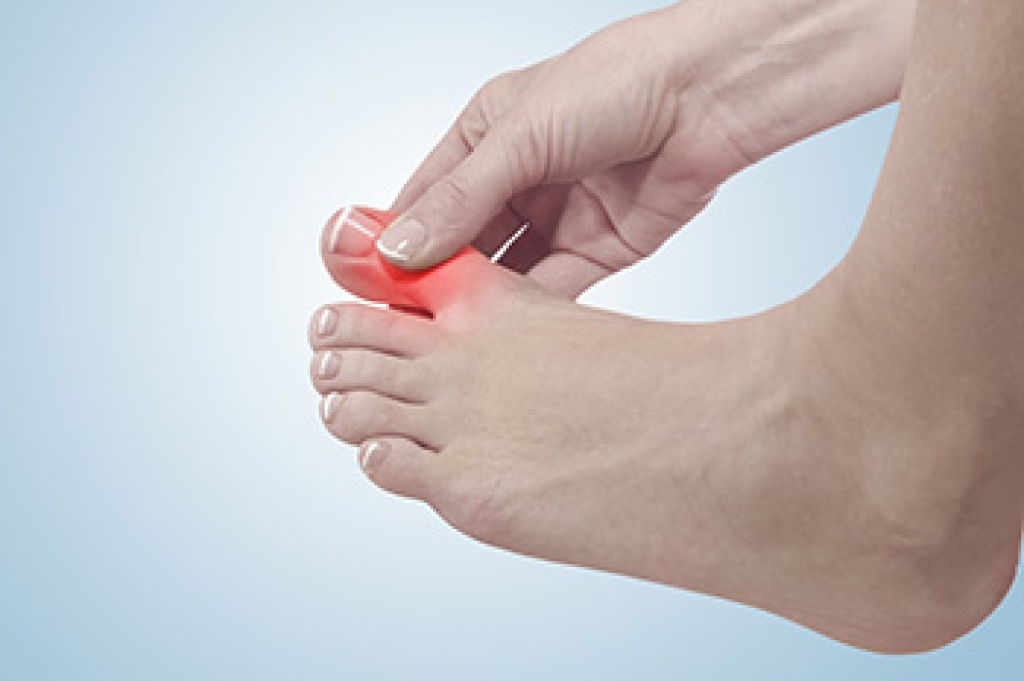
Toe pain can disrupt your daily activities. If you have any concerns, contact Emmanuel Bustos, DPM of New York. Our doctor can provide the care you need to keep you pain-free and on your feet.

What Causes Toe Pain?

Most severe toe pain is caused due to a sports injury, trauma from dropping something heavy on the toe, or bumping into something rigid. Other problems can develop over time for various reasons.

Toe pain can be caused by one or more ailments. The most common include:

  • Trauma
  • Sports injury
  • Wearing shoes that are too tight
  • Arthritis
  • Gout
  • Corns and calluses
  • Hammertoe
  • Bunions
  • Blisters
  • Ingrown toenails
  • Sprains
  • Fractures (broken bones)
  • Dislocations

When to See a Podiatrist

  • Severe pain
  • Persistent pain that lasts more than a week
  • Signs of infection
  • Continued swelling
  • Pain that prevents walking

Diagnosis

In many cases the cause of toe pain is obvious, but in others, a podiatrist may want to use more advanced methods to determine the problem. These can range from simple visual inspections and sensation tests to X-rays and MRI scans. Prior medical history, family medical history, and any recent physical traumatic events will all be taken into consideration for a proper diagnosis.

Treatment

Treatments for toe pain and injuries vary and may include shoe inserts, padding, taping, medicines, injections, and in some cases, surgery. If you believe that you have broken a toe, please see a podiatrist as soon as possible.

If you have any questions please contact our office located in the Upper West Side and New York City, NY . We offer the newest diagnostic and treatment technologies for all your foot and ankle needs.

Read more about Toe Pain

Are Bunions Affecting Your Everyday Life?

Have you noticed a bony protrusion on the side of your big toe? If so, you may have developed the foot condition known as a bunion. Don't let bunions interfere with your daily activities.

Connect With Us